Cape Argus – DOCK8 Awareness

Cape Argus – DOCK8 Awareness

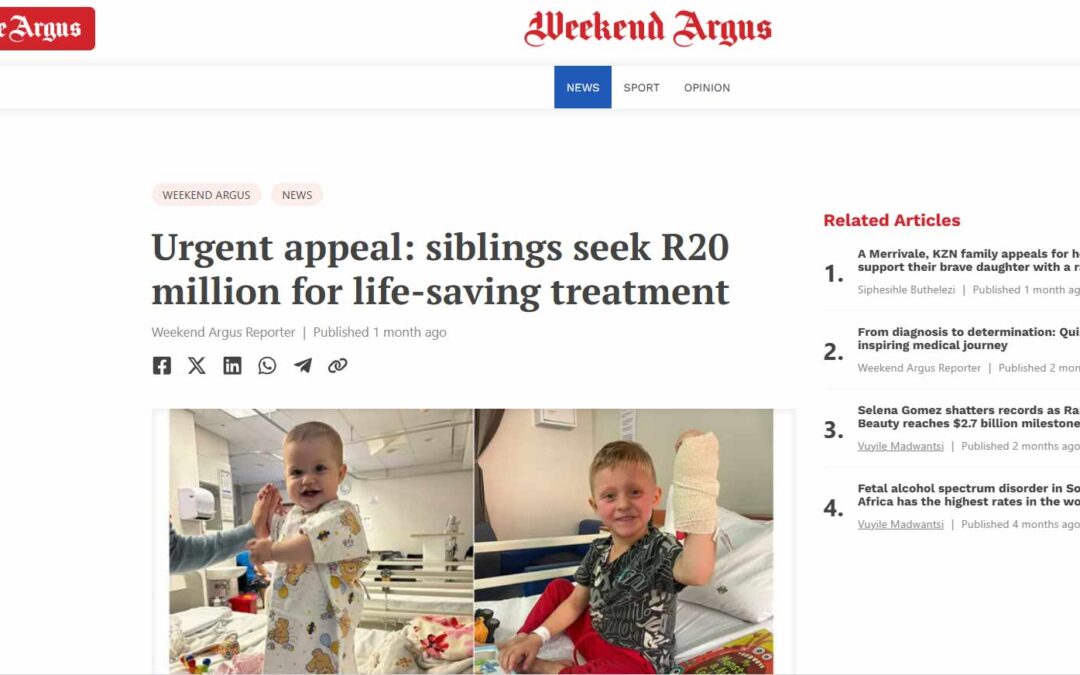
In a truly heart-wrenching story of resilience and desperate hope, a family is battling to save their two young children diagnosed with one of the planet’s rarest immune disorders. Siblings Sadie Krause, aged 21 months, and her six-year-old brother, Jesse, from Benoni, are facing a critical prognosis after being identified with DOCK8 Immunodeficiency Syndrome.

With fewer than 300 confirmed cases globally, the siblings’ plight underscores a pressing and immediate need for public support. Their only chance at a cure lies in a staggering R20 million – R30 million (per child) treatment available exclusively overseas.

Full article: Urgent appeal: siblings seek R20 million for life-saving treatment

Family Update #4

Family Update #4

The past 2 weeks have been a tough one for the little ones. Both Sadie and Jesse started showing signs of flu, and for children living with DOCK8 immunodeficiency even a simple viral infection can escalate quickly.

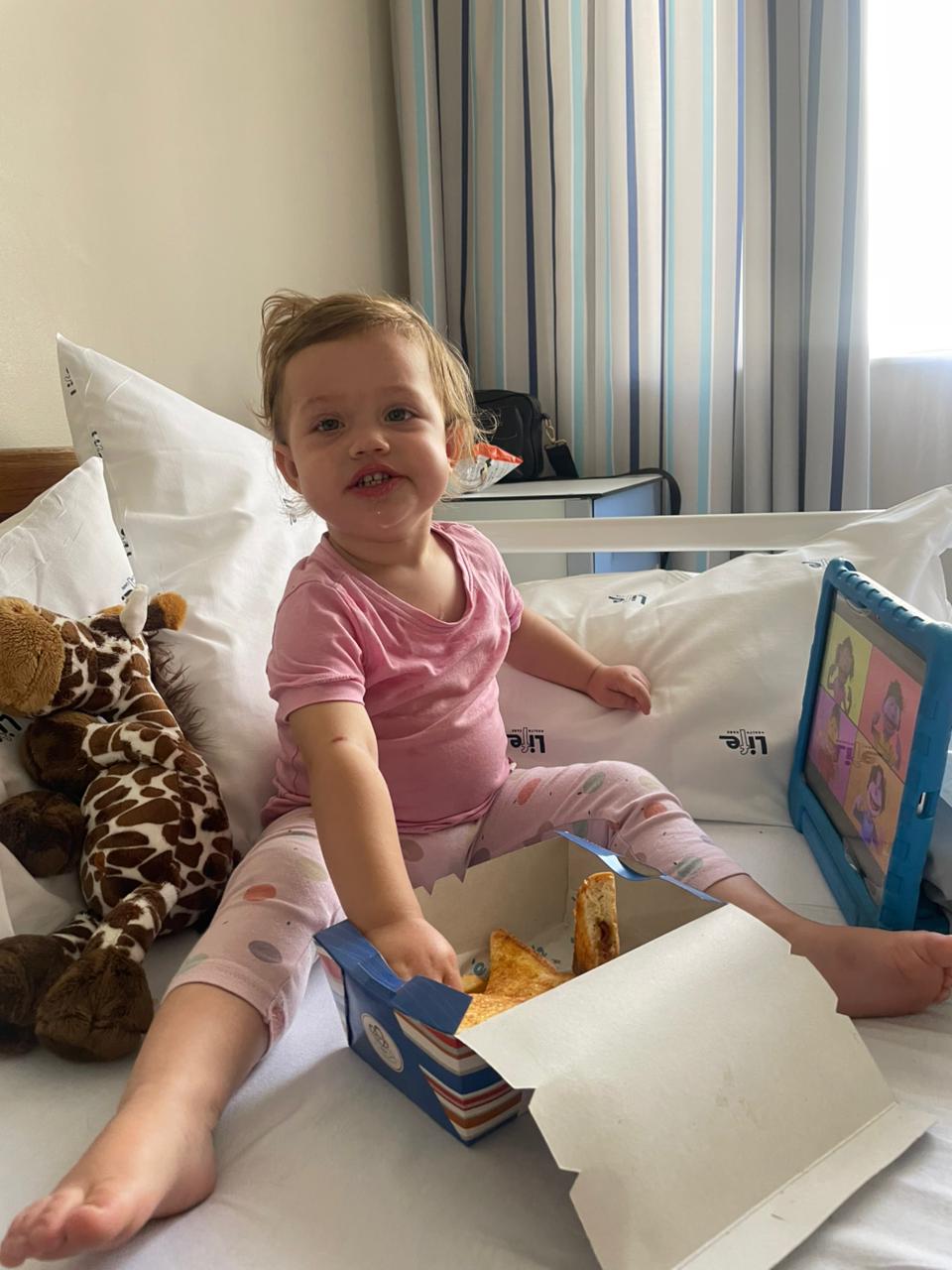
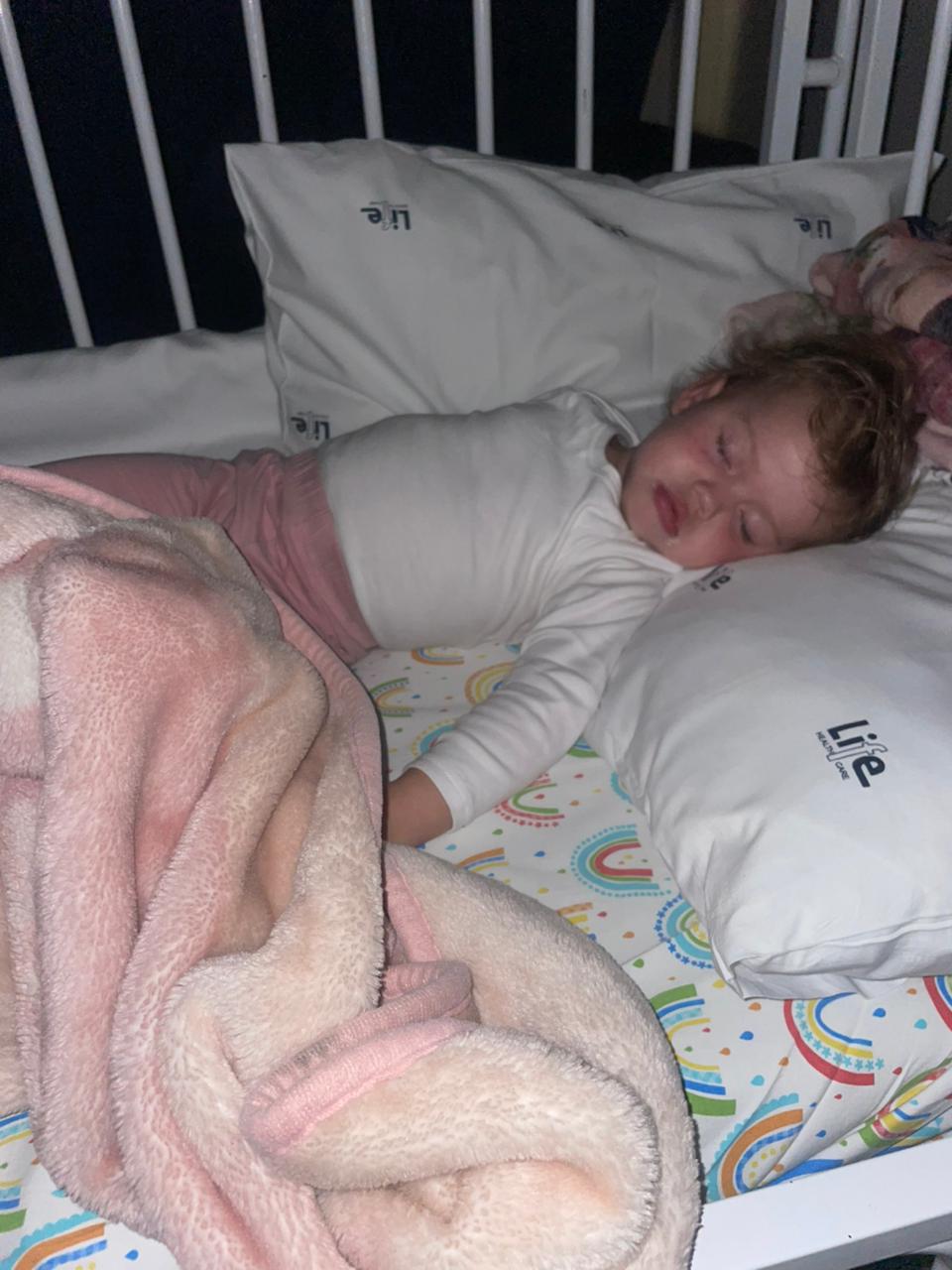
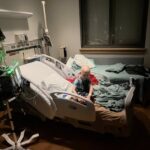
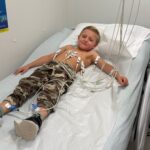
Sadie took the hardest knock. She developed a fever and chest complications, and was admitted to hospital for one night. We have been fortunate enough to find a paediatric facility in a hospital in Johannesburg which is much safer for immunocompromised children. There are no shared wards, reduced exposure to other viruses and bacteria, and the right level of monitoring.

The medical team performed blood tests and a nasal swab. The results confirmed a viral infection, not bacterial. This meant Sadie didn’t require IV antibiotics (intravenous), which is a huge relief. She did, however, need to start an oral antibiotic course to support her through the fevers and help prevent complications.

Sadie is now back home and stable. Jesse has a lingering cough, but he is strong and recovering well.

Both children are also navigating severe molluscum contagiosum, a stubborn skin condition very common in DOCK8:

Sadie has lesions on her eyelids and behind her ears.

Jesse’s molluscum has now spread across the front of his body, adding discomfort on top of this week’s flu.

Last week, Jesse also developed painful cyst-like lesions, which thankfully began improving after a dose of Dupixent, a treatment that can sometimes help reduce skin inflammation in DOCK8 patients.

On the treatment-planning side, we have made meaningful progress. Two international transplant centres have confirmed they are willing and able to treat the children and have been highly responsive and compassionate. We are now working closely with their clinical teams, alongside our local transplant specialists, to map out the safest and best path forward for each child. We hope to have a clearer direction next week and will share updates as soon as we can.

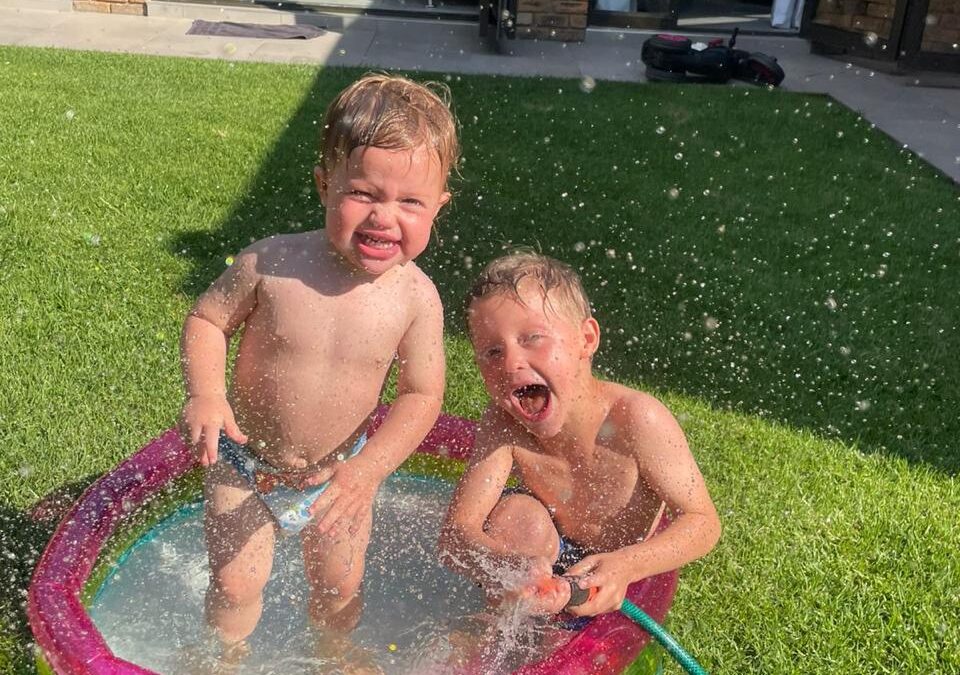
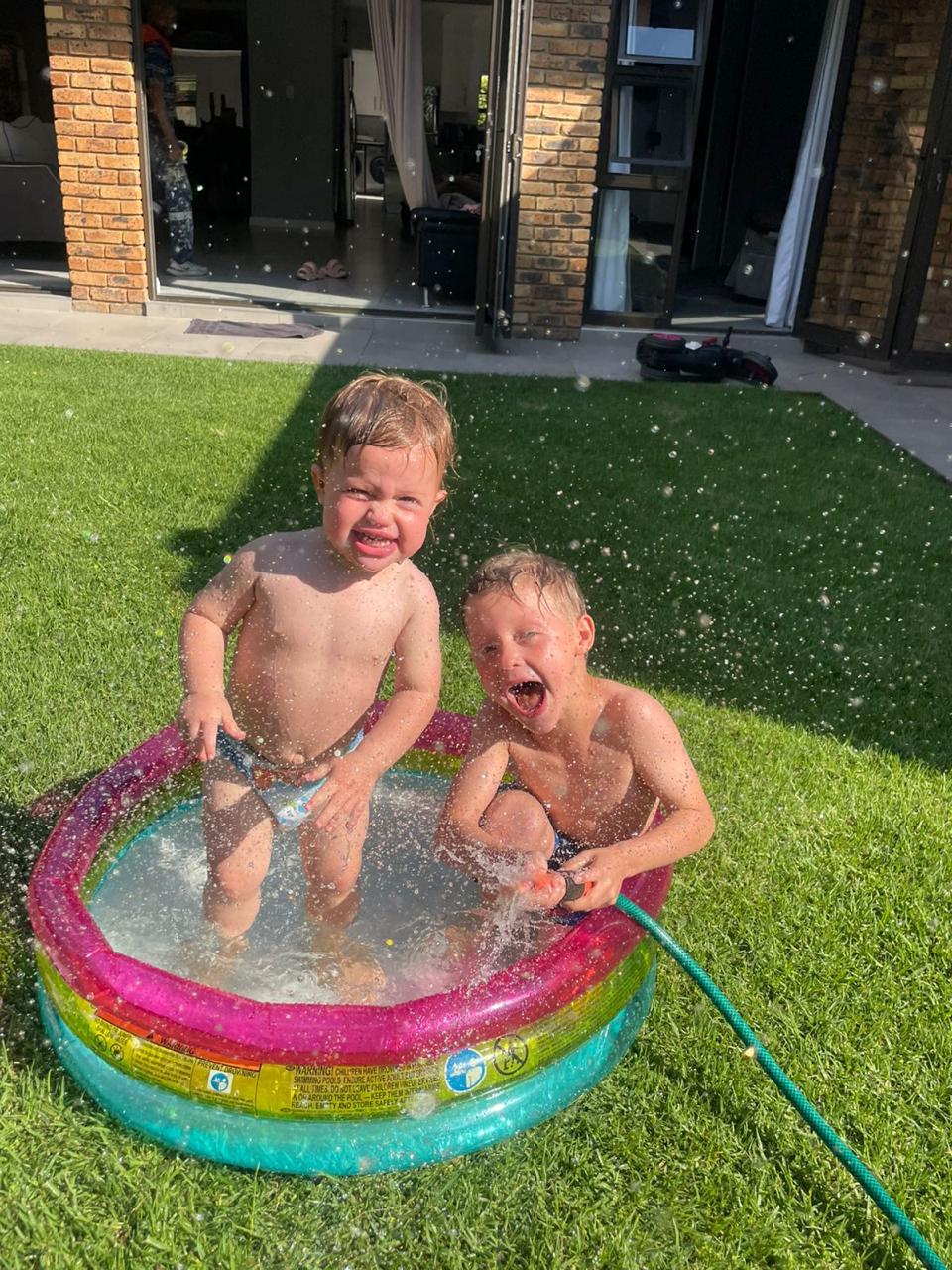
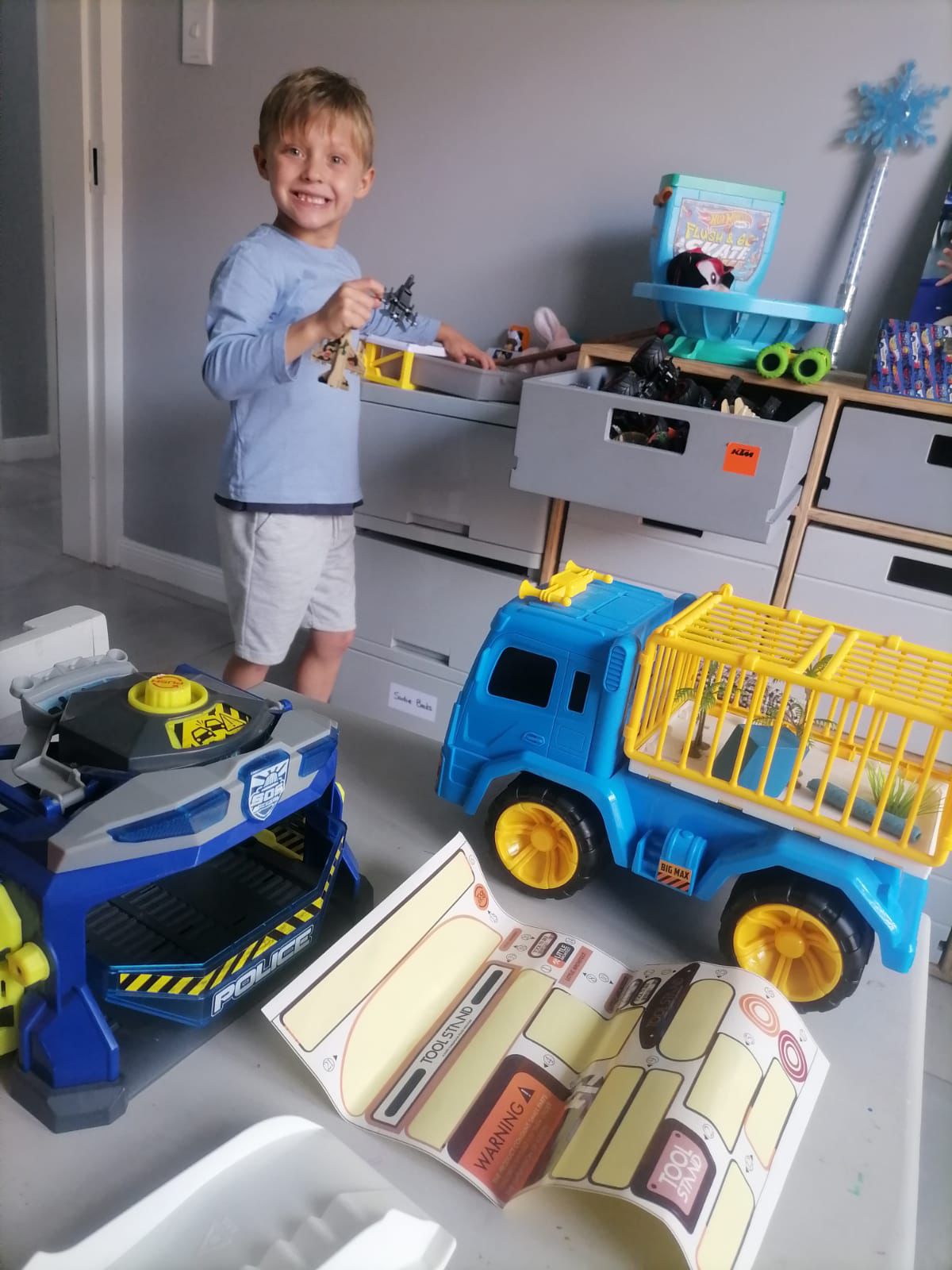
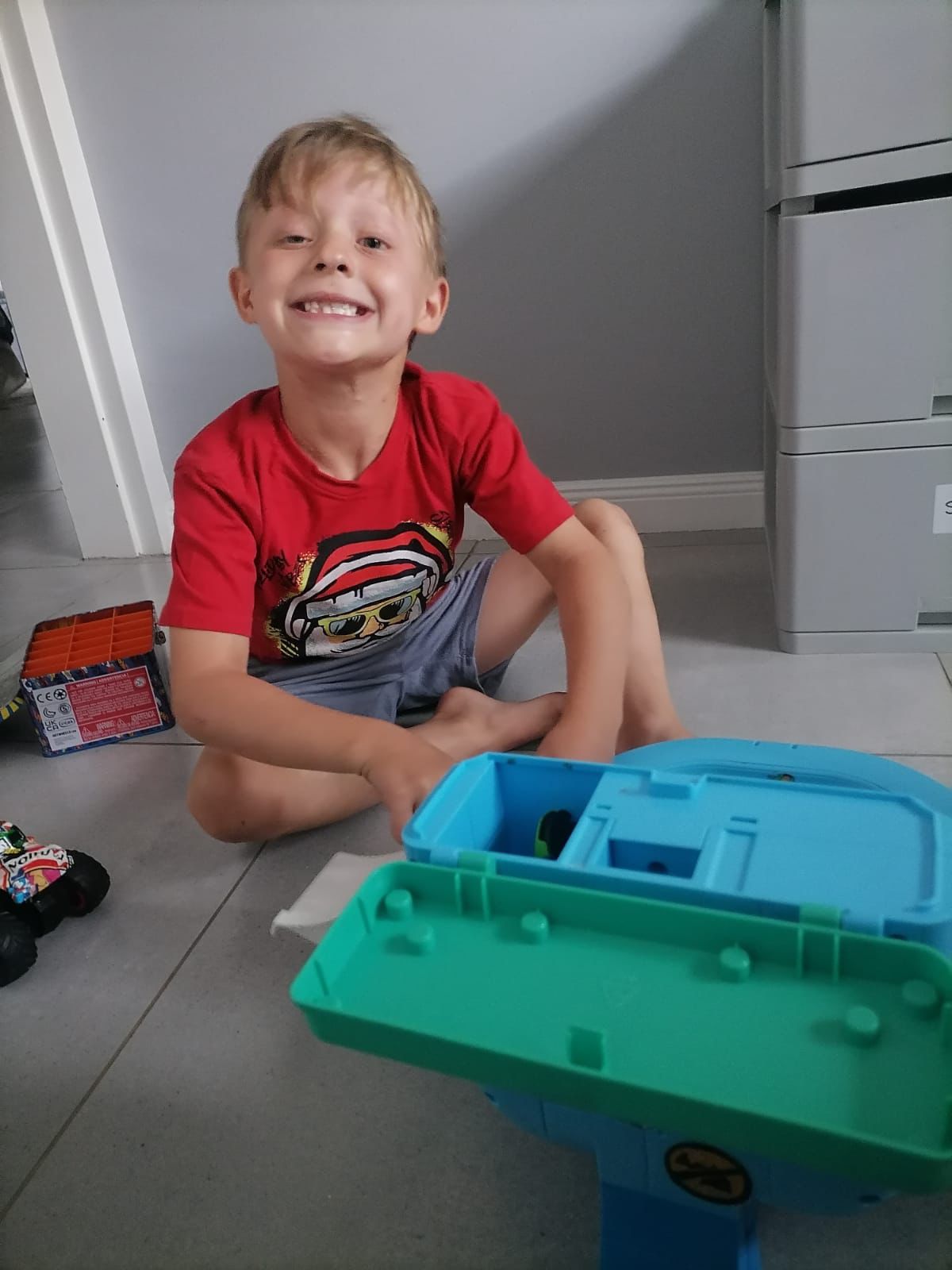
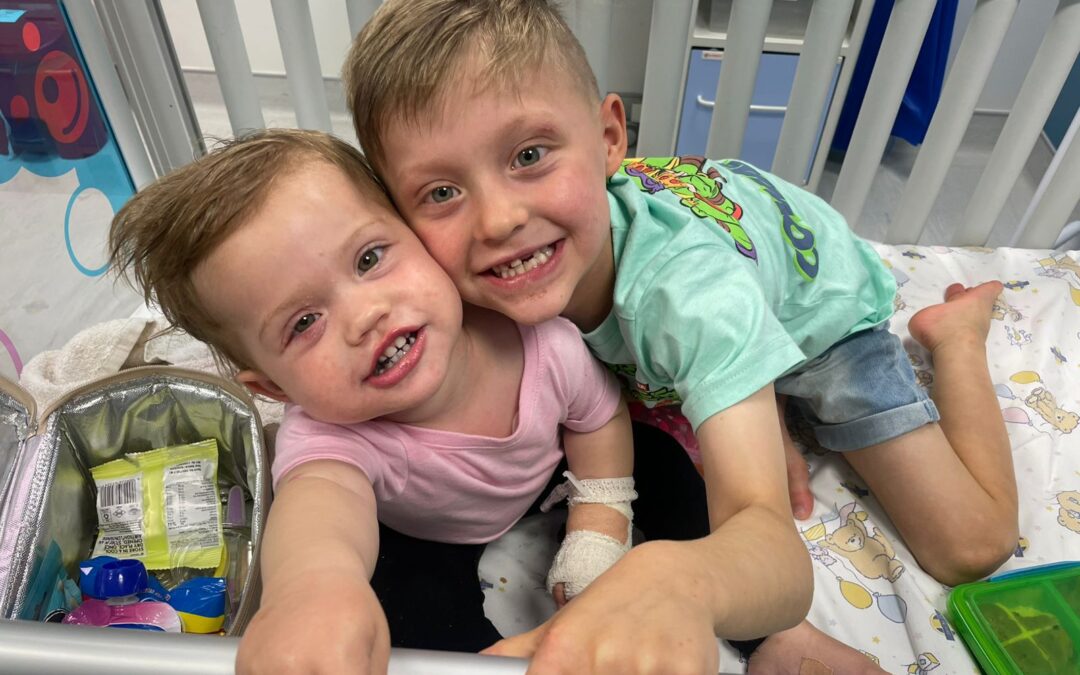
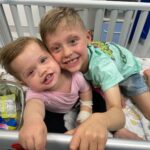
Thank you to everyone who continues to walk this road with us. Your messages, prayers, support, and love mean more than you know. We’ve put up a photo of the kids on a happier day. Their resilience and natural joy for life is beautiful.

Timing, Age, and Readiness: Why DOCK8 Treatment Is So Carefully Planned

Timing, Age, and Readiness: Why DOCK8 Treatment Is So Carefully Planned

In DOCK8 deficiency, treatment decisions are not only about what to do, but when to do it.

Transplant outcomes depend on multiple factors:

  • The child’s current health
  • The extent of lung or organ damage
  • Viral burden (including severe molluscum)
  • Nutritional status
  • Donor availability
  • Centre experience

Children must be sick enough that transplant is justified, but well enough to survive it. This balance is delicate.

For younger children like Sadie, doctors must consider age-specific risks. For older children like Jesse, they must consider accumulated immune damage. Each case is individual, even within the same family.

This careful planning can feel slow and frustrating to families and supporters. But it reflects responsibility, not delay. Transplant done at the wrong time can be as dangerous as transplant not done at all.

  • EBMT/ESID HSCT guidelines for IEI (timing considerations; donor and conditioning strategy principles). EBMT+1

  • Conditioning regimen considerations in PID/IEI (review). PMC

  • UK Paediatric BMT Group indications (HSCT indications framework; UK practice context). bsbmtct.org

Family Update #3

Family Update #3

It’s been a tough few weeks. Things are moving slowly and the process of formalising a treatment plan has been incredibly challenging. Every step feels like another layer of complexity but we’re pushing forward and doing everything we can to get Sadie and Jesse where they need to be.
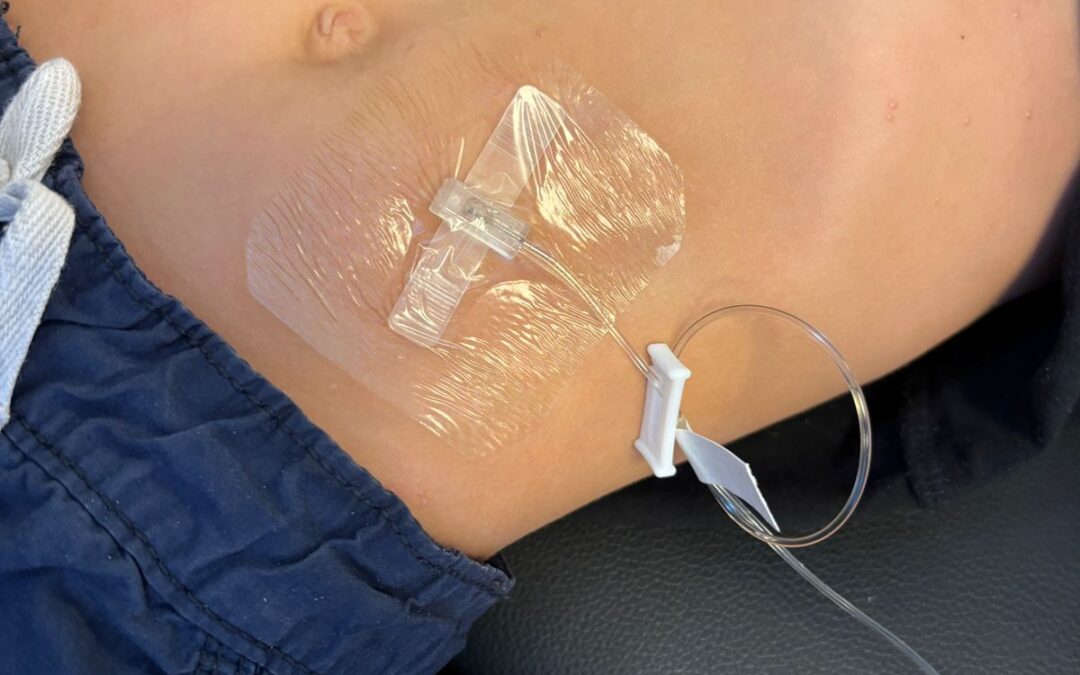
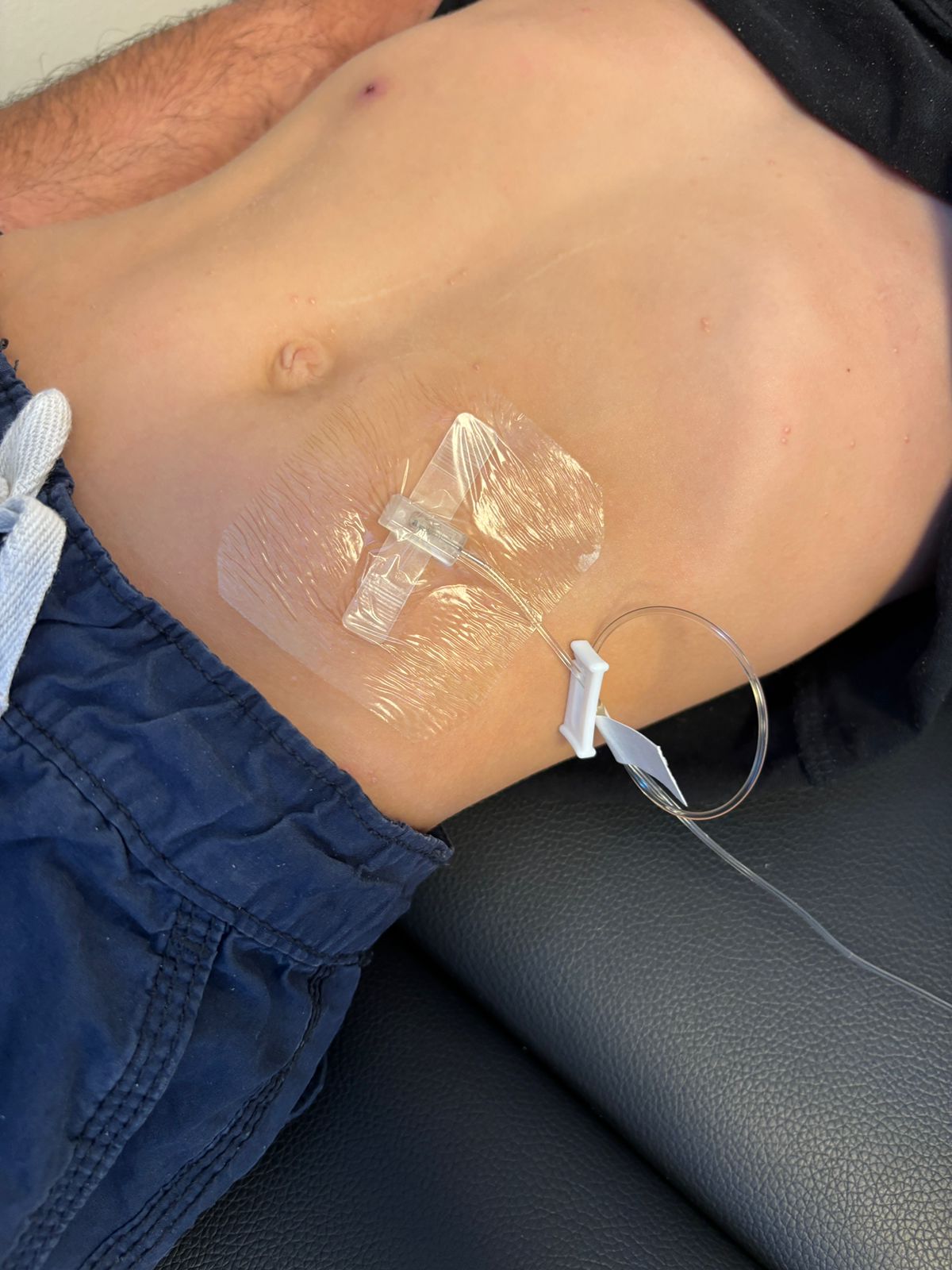
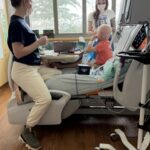
The kids had their third round of immunoglobulin treatment yesterday, which helps maintain their weak immune systems while we continue to research and investigate the transplant path. It’s laborious and difficult process. Clayton and Lee-Ann have now been shown how to administer the infusions themselves, which they’ll need to do twice a week at home. The first attempt with Sadie was very traumatising. The needle caught a small vein and they had to start again. She cried a lot. Jesse was incredibly brave and tried comforting her, holding her hand, but he struggled too, showing side effects of nausea, trembling, and feeling generally unwell. It’s painstakingly difficult to watch let alone administer the needles into their little bodies.
We’re still trying to find the balance between keeping them safe (contained) and giving them some sense of normal life. They’re not in a “bubble boy” situation, but their exposure to the outside world is still extremely limited to avoid potentially risk. We try to find joy in the small ordinary things that are still possible. Jessie starting to ask the very difficult questions related Why – cant I go to school, see friends, wee-jump etc.
We continue our efforts in trying to connect with the identified researched Hospitals and Facilities where this procedure has been exercised with high percentile results however, it’s a complex process of getting to the right department, the correct individual to talk to. We are making some progress but no clear path as yet.
On Thursday last week, we had the privilege of meeting with Professor André van Niekerk, who brings an incredible depth of experience in primary immunodeficiencies, yet another round of checks and balances on the children, sharing his experiences with similar transplant and his recommendations – “this condition needs to be addressed with urgency”. His insight was very valuable to us right now because he understands the broader context of transplants and the associated risks in this very uncertain time.
This is a long, difficult road. But we’re remaining hopeful and positive every day.
Thanks to everyone, you make all the difference and we are forever grateful.
With love,
The Krause Family

Stem Cell Transplant Is the Only Curative Treatment for DOCK8

Stem Cell Transplant Is the Only Curative Treatment for DOCK8

Families facing DOCK8 deficiency are often asked why doctors recommend stem cell transplantation so strongly and sometimes so early. The answer is rooted in biology, not opinion.

DOCK8 deficiency is a genetic immune disorder. No medication can replace a missing or defective gene across the immune system. Antibiotics, antivirals, and immune-modulating drugs can treat symptoms, but they cannot restore normal immune function.

Haematopoietic stem cell transplantation (HSCT) works by replacing the patient’s defective immune system with donor stem cells capable of producing healthy immune cells. Over time, these cells repopulate the immune system, allowing the body to fight infections normally.

In DOCK8, HSCT has been shown to:

  • Reduce or eliminate chronic viral infections
  • Restore immune function
  • Reduce cancer risk
  • Improve long-term survival

However, HSCT is not simple or low-risk. It involves:

  • Intensive conditioning chemotherapy
  • Profound temporary immune suppression
  • Risk of infection
  • Risk of graft-versus-host disease (GVHD)
  • Long hospital stays and isolation
  • Prolonged immune recovery

For children with DOCK8, these risks are weighed against the certainty of progressive disease without transplant. In experienced centres, outcomes have improved significantly, particularly when transplant occurs before irreversible organ damage. This is why timing matters. Doctors aim to transplant children when they are strong enough to tolerate the procedure, but before cumulative infections cause lasting harm especially to the lungs.

HSCT is not undertaken lightly. It is chosen because it offers something no other treatment can: the possibility of a normal immune system and a life not dominated by illness.

  • EBMT/ESID Guidelines for HSCT in IEI (consensus: allo-HSCT curative for many IEI). EBMT+1

  • NIH/NCBI EBMT Handbook IEI chapter (HCT as life-saving/curative in IEI). NCBI

  • Al-Herz et al. (HSCT only curative option; long-term outcomes without). PMC

Family Update #2

Family Update #2

From the bottom of our hearts – thank you. Every donation, message, and share has carried us through these incredibly tough months, and we’re so grateful to share our first update on Sadie and Jesse’s journey with you.

This week, both kids received their second round of treatment, an important step in keeping them strong and stable as we prepare for the transplants ahead. The first treatment was an eight-hour IV infusion called Polygam, an immune-boosting therapy made from antibodies donated by healthy people. It helps strengthen Sadie and Jesse’s immune systems so their little bodies can fight off infections more effectively.

It was a long day filled with bravery and tears, but they made it through.
The new method, now delivered slowly through a small pump into the stomach, is a gentler process for them, though it still comes with nausea and shakes. They’re also on a combination of antiviral and antibiotic medications to help keep infections at bay and give them the best possible chance of staying strong.

Thanks to your generosity, we’ve already raised R294,108 – every rand helping us get one step closer to the life-saving stem cell transplants they need. From the deepest corners of our hearts, thank you for standing with us.

Your kindness gives us hope, and strength.
Forever grateful, the Krause family