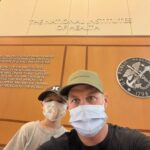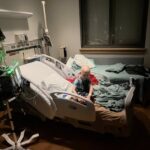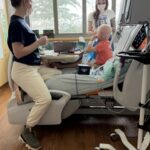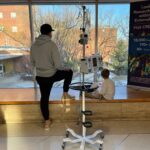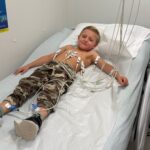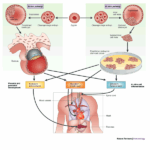

DOCK8 deficiency is not a single-symptom condition. It is a progressive, multisystem immune disorder that affects nearly every aspect of a child’s physical resilience. What makes it particularly devastating is not only the severity of infections, but their persistence, resistance to treatment, and cumulative damage over time.
Recurrent & Severe Infections
Children with DOCK8 deficiency experience frequent, severe, and often unusual infections. These include:
-
Chronic viral skin infections (molluscum contagiosum, HPV warts, herpes viruses) that spread extensively and fail to resolve
-
Recurrent bacterial infections of the lungs, ears, and sinuses
-
Fungal infections that are difficult to eradicate
-
Infections that return quickly after antibiotics, reflecting impaired immune memory
NIH clinicians have documented that DOCK8-deficient immune cells struggle to migrate through dense tissues like skin and lungs, leaving these areas particularly vulnerable.
Severe Eczema, Allergies & Immune Dysregulation
Almost all patients present with severe eczema early in life, often mistaken initially for standard atopic dermatitis. Over time, this becomes complicated by:
-
Extremely high IgE levels
-
Food allergies (sometimes life-threatening)
-
Asthma and allergic airway disease
-
Chronic inflammation that damages skin and tissue barriers
This constant inflammatory state contributes to infections becoming entrenched, rather than episodic.
Antibiotic Resistance & Escalating Care
One of the most distressing aspects for families is that infections often become resistant to standard antibiotics and antivirals. Over time:
-
Children require longer, stronger, or combination treatments
-
Hospital admissions become more frequent
-
Infections spread faster and heal more slowly
This pattern is well-described in NIH case series and is one of the reasons early definitive treatment is critical.
Long-Term Risks Without Definitive Treatment
Without curative intervention, DOCK8 deficiency carries serious long-term risks:
-
Permanent lung damage (bronchiectasis)
-
Chronic viral infections that can lead to virus-associated cancers
-
Failure to thrive due to constant illness
-
Reduced life expectancy
NIH research consistently shows that outcomes are significantly better when children receive hematopoietic stem cell transplantation (HSCT) before irreversible organ damage occurs.
The Human Reality Behind the Diagnosis
Beyond the clinical descriptions lies a daily reality that is difficult to quantify:
-
Constant infection control and isolation
-
Limited exposure to normal childhood environments
-
Repeated hospitalisations and procedures
-
Parents living in ongoing crisis mode, balancing hope with uncertainty
NIH clinicians often emphasise that DOCK8 deficiency is medically complex but emotionally relentless — not only for the child, but for the entire family.
Why Early, Specialised Care Matters
Because DOCK8 deficiency is rare, many children experience delays in diagnosis or fragmented care. NIH-led programmes and international transplant centres play a crucial role in:
-
Confirming diagnosis through advanced genetic testing
-
Managing infections aggressively while preparing for transplant
-
Determining the safest timing and approach for HSCT
This specialised oversight can be life-saving.