Families facing DOCK8 deficiency are often asked why doctors recommend stem cell transplantation so strongly and sometimes so early. The answer is rooted in biology, not opinion.
DOCK8 deficiency is a genetic immune disorder. No medication can replace a missing or defective gene across the immune system. Antibiotics, antivirals, and immune-modulating drugs can treat symptoms, but they cannot restore normal immune function.
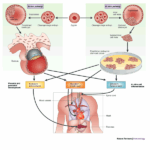
Haematopoietic stem cell transplantation (HSCT) works by replacing the patient’s defective immune system with donor stem cells capable of producing healthy immune cells. Over time, these cells repopulate the immune system, allowing the body to fight infections normally.
In DOCK8, HSCT has been shown to:
- Reduce or eliminate chronic viral infections
- Restore immune function
- Reduce cancer risk
- Improve long-term survival
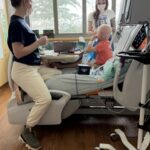
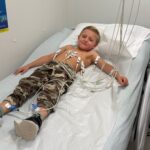
However, HSCT is not simple or low-risk. It involves:
- Intensive conditioning chemotherapy
- Profound temporary immune suppression
- Risk of infection
- Risk of graft-versus-host disease (GVHD)
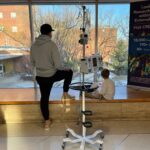
- Long hospital stays and isolation
- Prolonged immune recovery
For children with DOCK8, these risks are weighed against the certainty of progressive disease without transplant. In experienced centres, outcomes have improved significantly, particularly when transplant occurs before irreversible organ damage. This is why timing matters. Doctors aim to transplant children when they are strong enough to tolerate the procedure, but before cumulative infections cause lasting harm especially to the lungs.
HSCT is not undertaken lightly. It is chosen because it offers something no other treatment can: the possibility of a normal immune system and a life not dominated by illness.