Family Update #13

Family Update #13

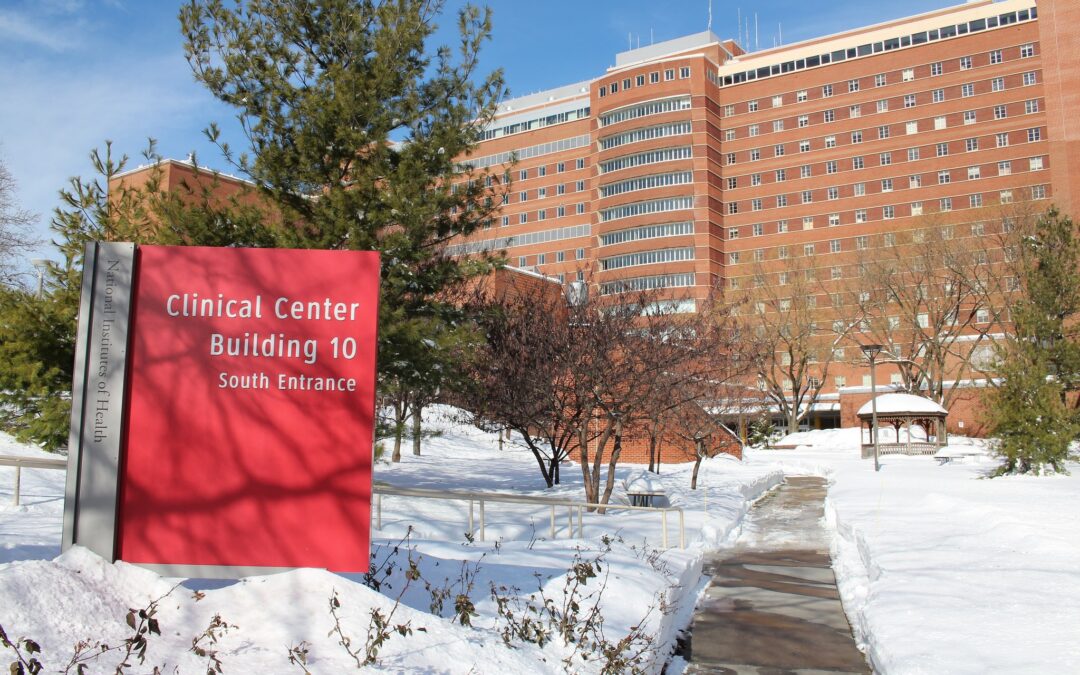
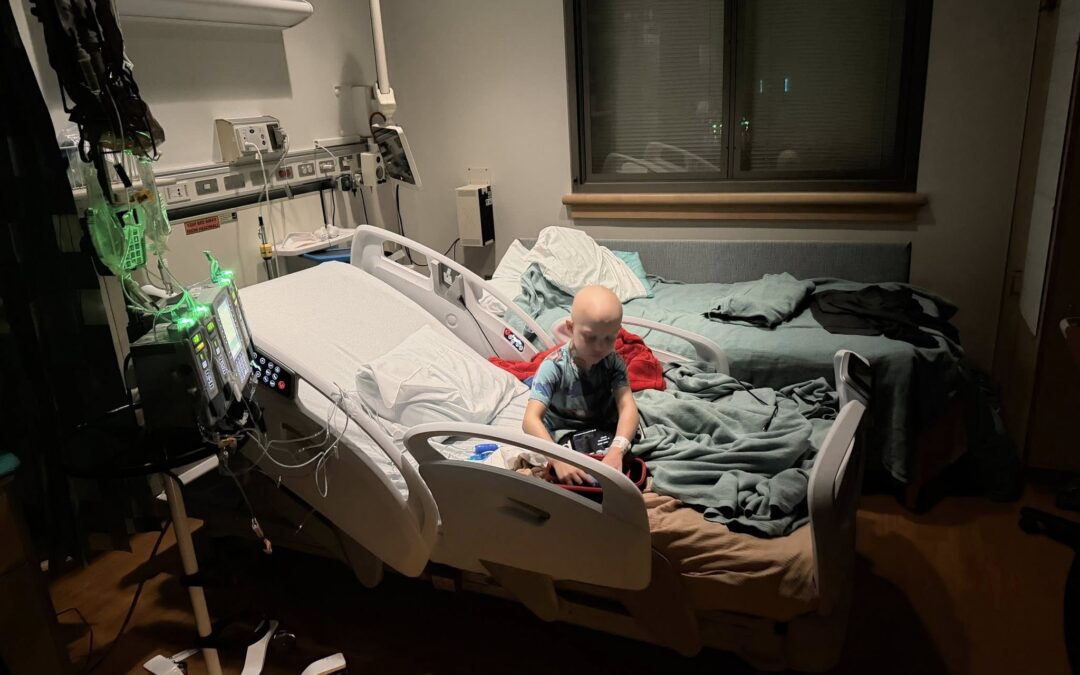
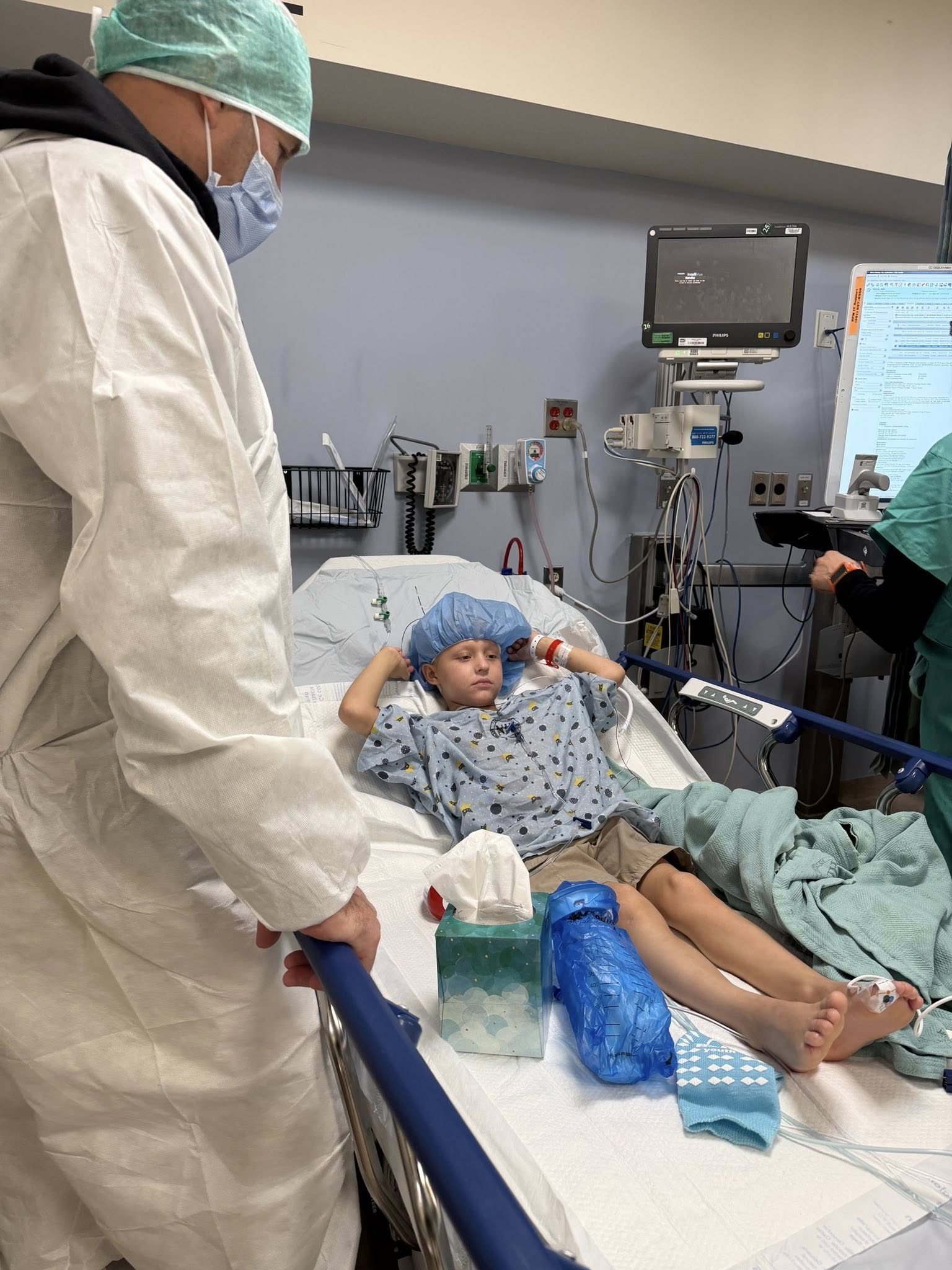
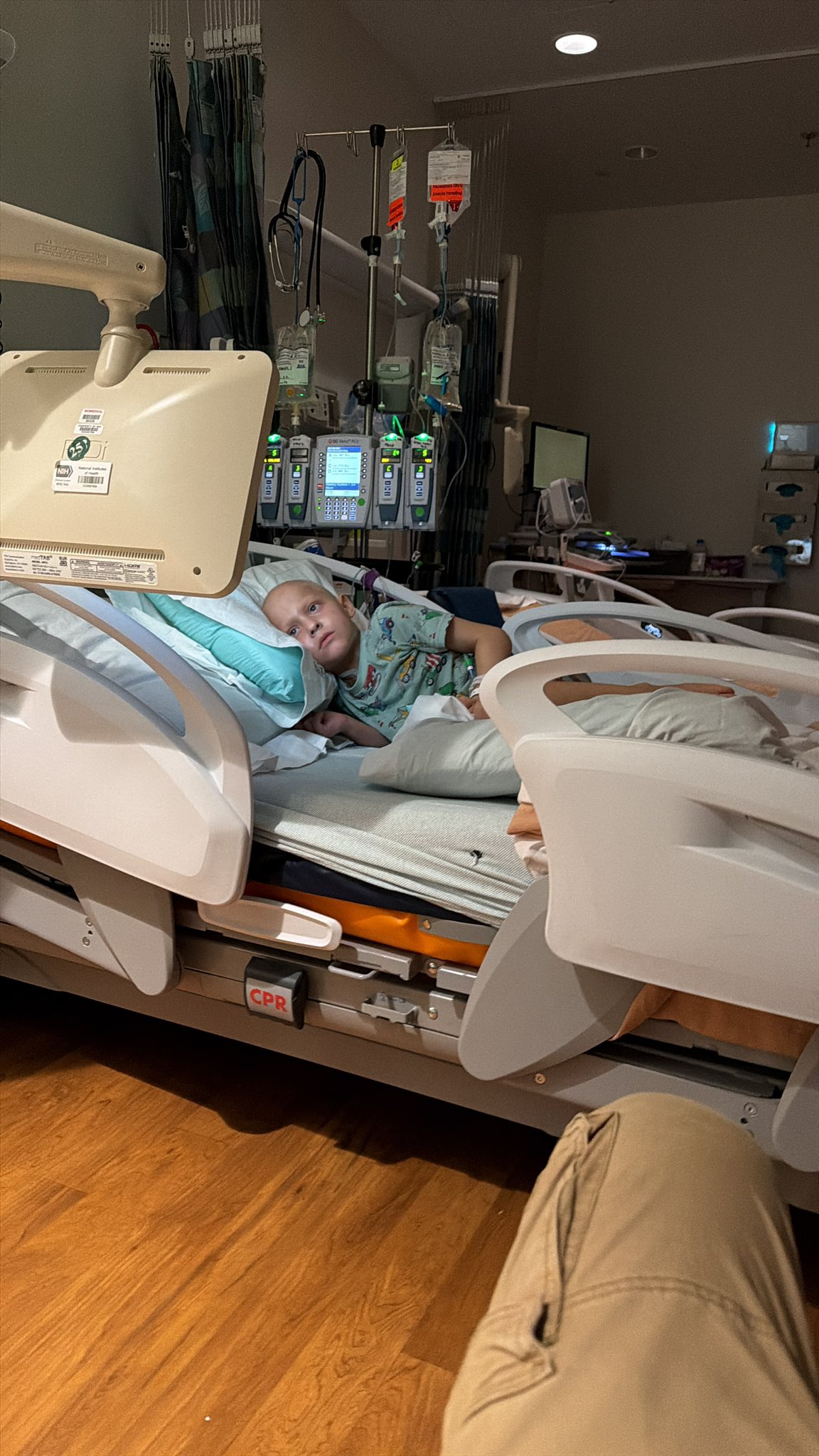
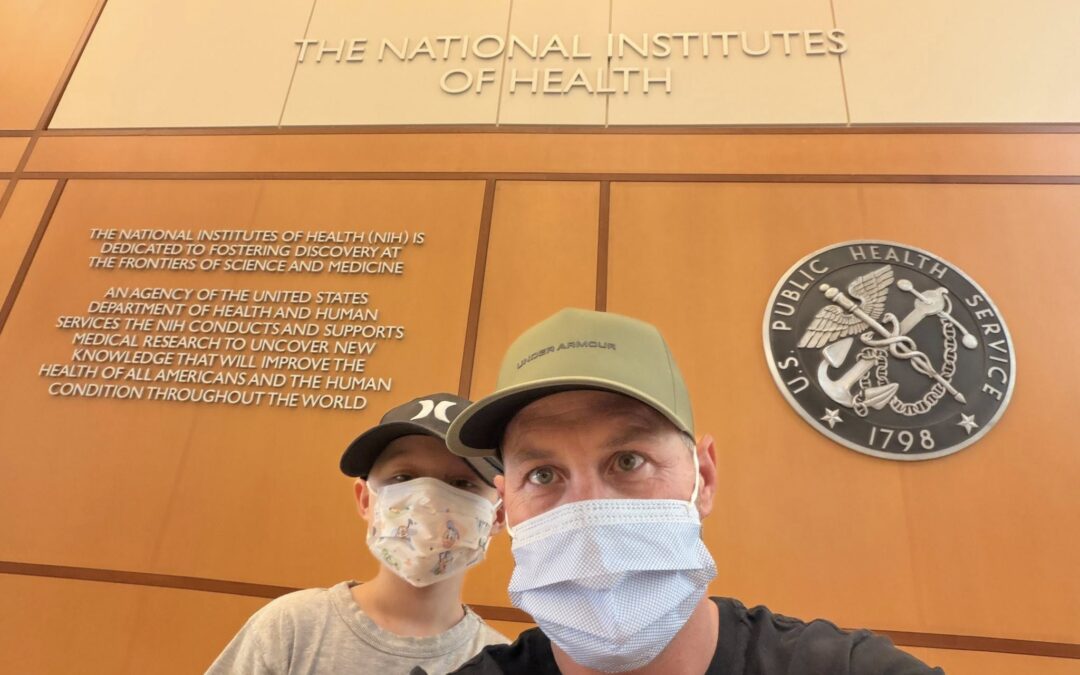
Update on Jesse here in Washington at the NIH.

Today marks a massive milestone in his journey — Day 100 post-transplant. This is the end of the transplant protocol, and today Jesse underwent his 100-day blood tests to check his chimerism levels, medication levels, immune function, and overall health to determine whether he is finally eligible to come home.

The good news is… Jesse has ticked all the boxes so far!
Over the past few weeks, he has been battling some skin GVHD (Graft vs Host Disease), which has happened during the tapering of certain medications. As the doctors slowly reduce some of the immune suppression, the donor cells and Jesse’s body are still learning to recognize each other. With LeeAnn being his donor, her healthy immune cells are now living inside Jesse’s body. Those cells are naturally trained to fight anything foreign, while Jesse’s body also reacts to those new cells. The immune suppressants are there to calm that process long enough for the body to eventually understand that it is no longer fighting an enemy.
Despite this challenge, Jesse is doing well.

The most incredible part of all of this is that Jesse no longer has DOCK8 deficiency.
Jesse has been able to stop many of the chronic medications he depended on before transplant. He no longer requires IVIG treatments, and he has stopped several of the preventative antibiotics, antifungals, and antiparasitic medications he previously needed. His immune system is still currently suppressed to prevent GVHD, so we still need to be extremely careful to keep him healthy and away from infections, flu, and viruses while his body continues to recover.
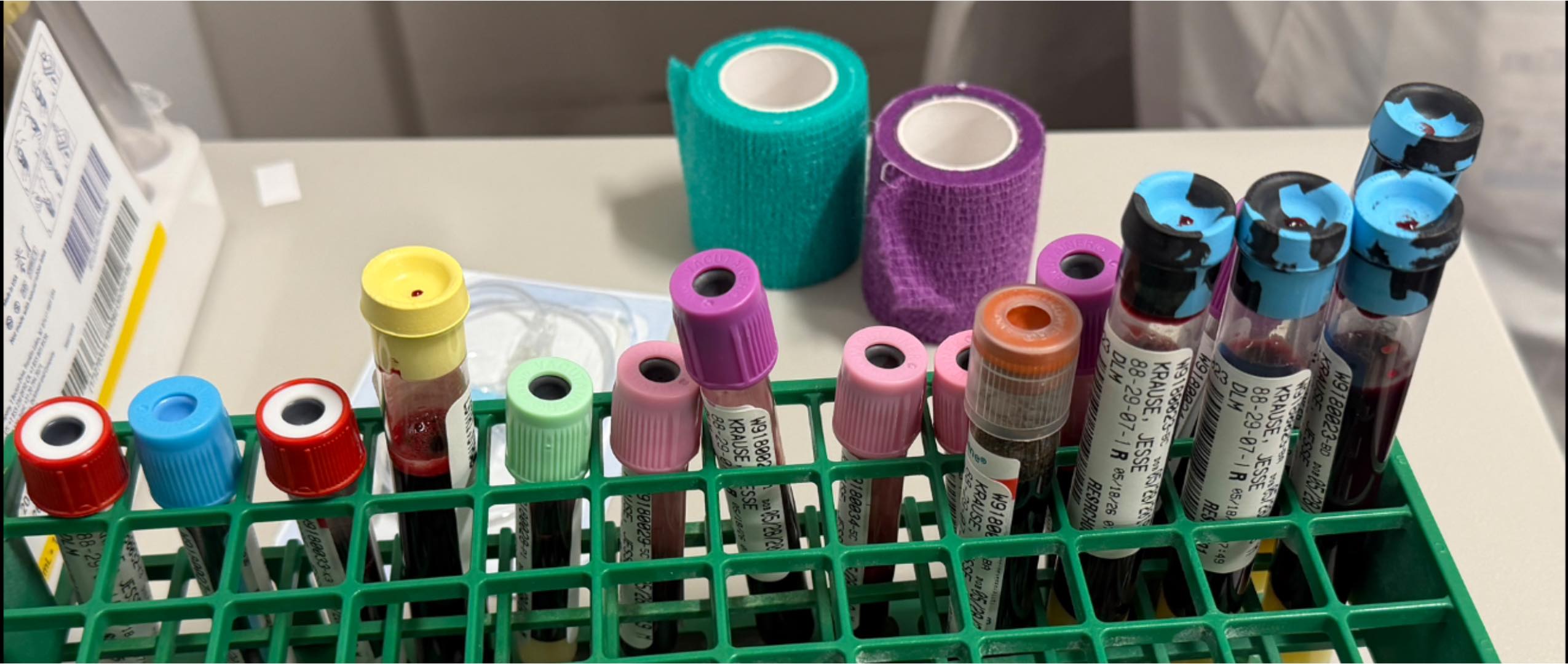
Today he had 16 vials of blood drawn, and every possible marker will be thoroughly checked over the coming days. While we are still waiting on some of those detailed results, all of the major markers have come back positive. He has hit every important milestone.
Every single day further away from transplant lowers the risk of complications, and with each passing day, we breathe a little easier. We still have to remain extremely disciplined with medication schedules and follow every precaution carefully, but for the first time in a long time, it truly feels like we are moving forward.

Once we return home, Jesse will continue follow-up care with Dr Ashley and transplant specialists, who will work closely together with the NIH team in Washington to monitor all of his blood work and recovery progress. In August, we will need to return to the NIH for a 6-month follow-up, where they will do a full-body assessment — follow ups will continue at the NIH every year for 5 years.
We have now been in the United States for five months. Without question, this has been the hardest season our family has ever walked through.Watching Jesse go through treatment, chemotherapy, isolation, procedures, fear, and pain — while not fully understanding why all of this was happening to him — has been difficult. Being separated from Sadie for five months has been another kind of pain entirely.
Watching her grow up through video calls has been devastating at times. She has changed so much while we’ve been away. She’s gone from nappies to no nappies, she’s talking beautifully now, and every time we see her, she looks a little older. It feels like we’ve missed so many moments that parents never get back.At times it honestly felt like the world had stopped for us here in Washington, while life everywhere else carried on as normal.
The emotional toll of this journey is something very difficult to explain. The anxiety, the uncertainty, the trauma, the constant highs and lows — it has all been far bigger than we ever imagined. There were moments where it felt endless. Moments where getting through one single day was enough. But throughout all of it, we kept reminding ourselves: one day at a time.
Because when it comes to your children, nothing else matters.
You put your life on hold. Your work, your business, your plans, your comfort — everything becomes secondary to your child.
We are beyond grateful for every prayer, every donation, every message, every share, and every person who stood with us through this process.
A MASSIVE thank you to Kevin and Liana for all the support! It has been the hi-light of Jesse’s stay here, the count down to when his Aunty and uncle are coming to visit starts the day after they leave!
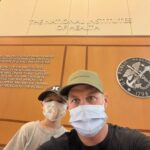
We are also incredibly grateful to the NIH and the unbelievable team of doctors, nurses, and specialists here. The level of professionalism, care, and detail throughout this entire process has been extraordinary. From endless screenings, swabs, dental checks, scans, bloodwork, and precautionary measures — every single step was handled with care and precision to give Jesse the best possible outcome.
More than anything, we are just excited to come home.
For months now, Jesse has asked us almost every single day, “When are we going home?”
After transplant, we told him he needed to get through 100 days, and every milestone became another countdown, another small celebration, another step closer. Now, after five long months, home finally feels close enough to touch.
Thank you again for all the love and support!
Family Update #12

Family Update #12

Hi everyone,

It’s been a little while since our last update, and we wanted to share where things are at on Jesse’s journey.

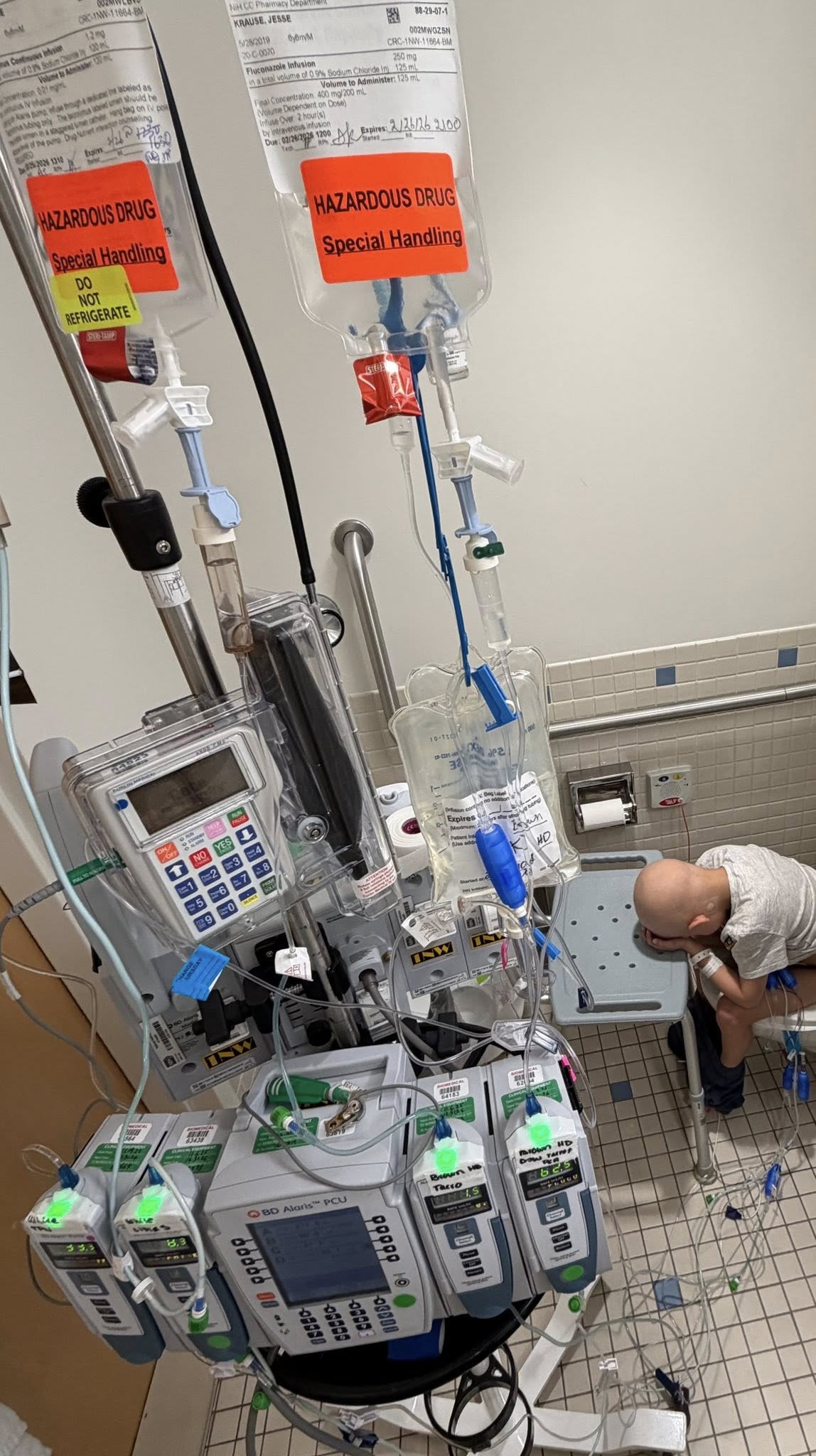
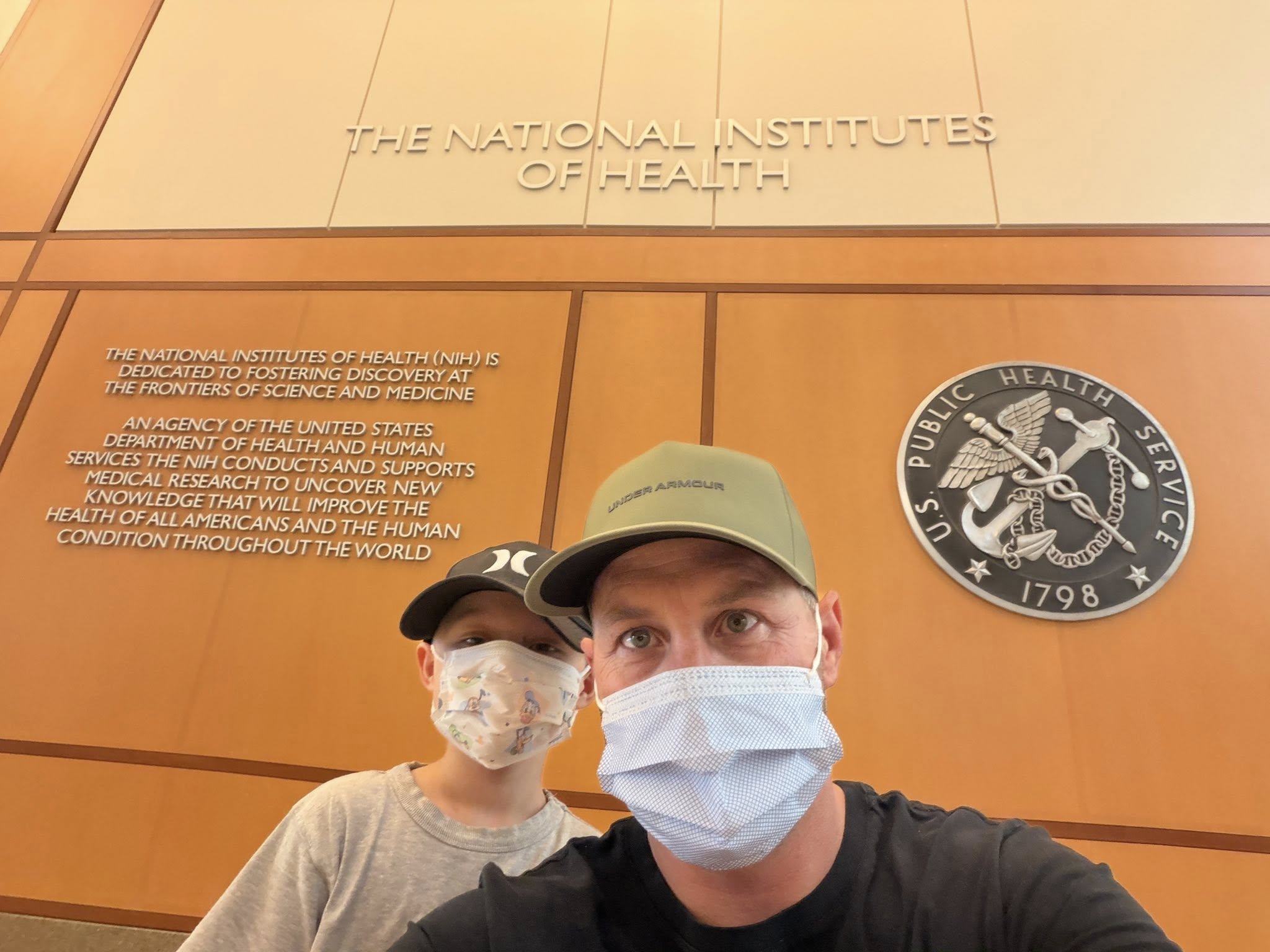
Jesse is now on day 73 post-transplant, and we’re so grateful to say that he is doing really well. The past few weeks haven’t been without their challenges, though. When we moved into outpatient care, Jesse had a PICC line in his arm. It limited his movement quite a bit, and even simple things like showering became a daily struggle trying to keep it dry.

After about two weeks, Jesse made a decision that honestly stopped us in our tracks. He asked for the PICC line to be removed—knowing full well that it meant regular needle sticks for blood draws, three times a week. And he chose it anyway.

Jesse sits there and bravely puts his arm out for those needle pokes without hesitation. For a young boy to make that choice… it says more than we ever could about what he’s endured, the strength he carries, and the road he’s walked to get here. It’s both heartbreaking and incredibly inspiring at the same time.

Along the way, Jesse has developed skin GVHD, which the doctors are actively managing with the right medications. This is part of why the 100-day post-transplant period is so important—monitoring, adjusting, and making sure everything stays on track. He’s still going in for blood tests three times a week, and they’re keeping a very close eye on everything.
Jesse still has bone or growing pains from the medication he is currently on to suppress his immune system. His feet particularly are very sore and he explains it as if it is cramping and burning inside his feet, but that should subside when he tapers off those meds in about 4months time.

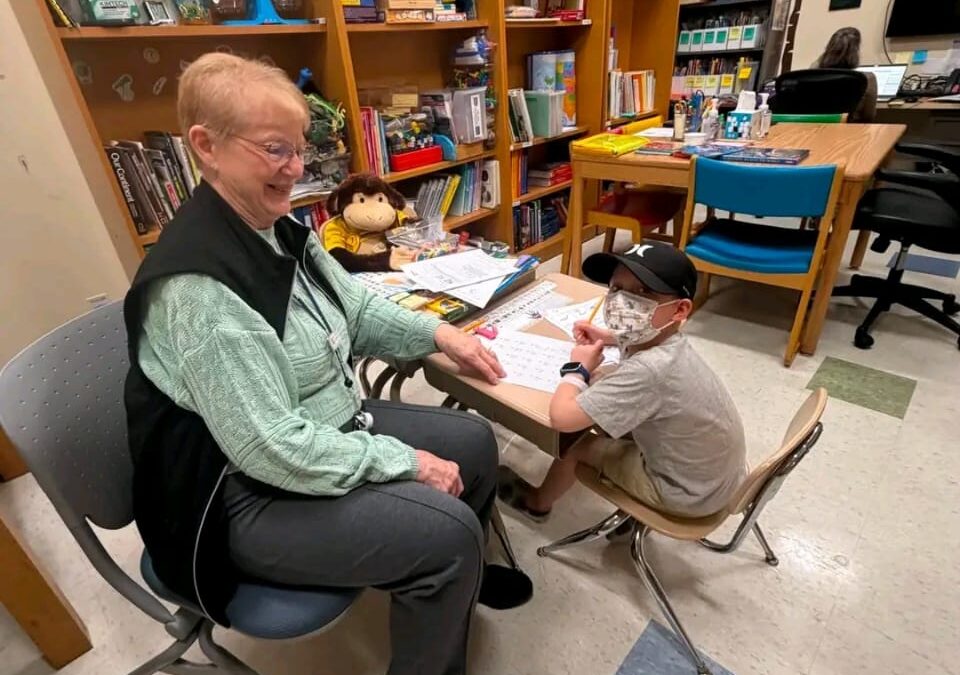
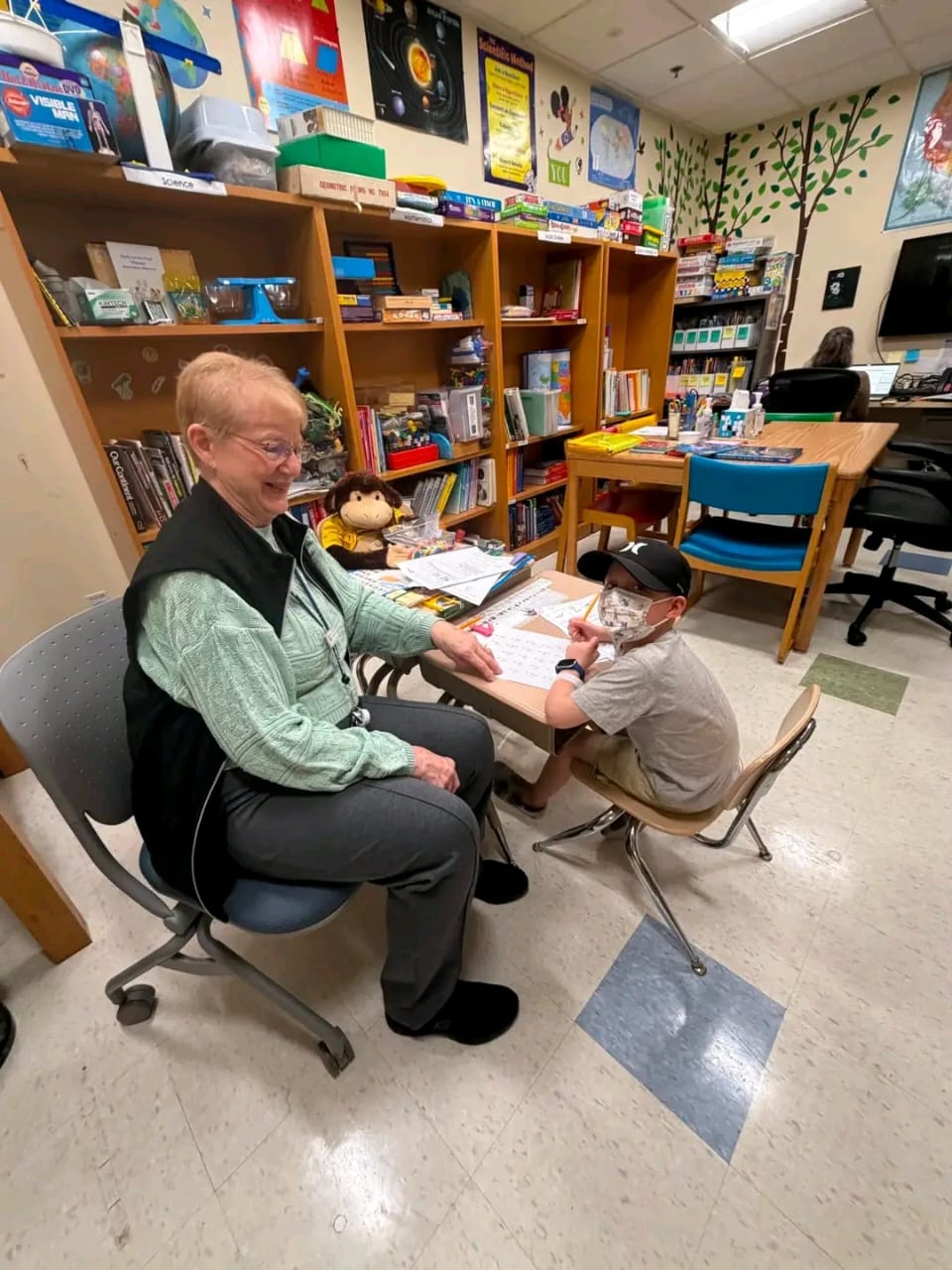
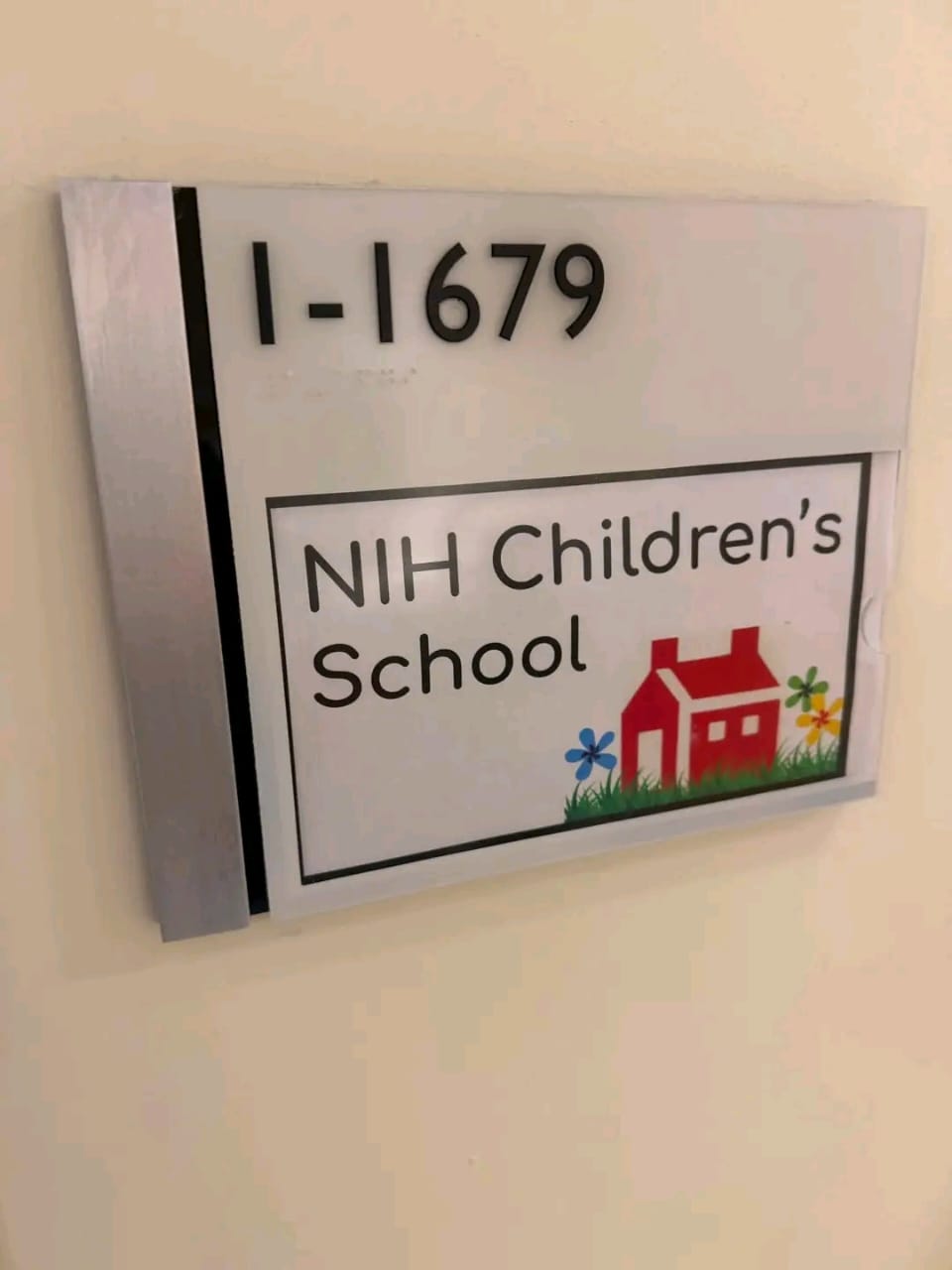
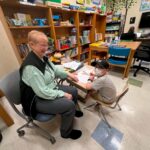
Despite all of this, Jesse keeps pushing forward. He’s seeing an occupational therapist twice a week and is also attending the NIH school daily, continuing with his Grade 1 work. We’re incredibly proud of how well he’s doing—he’s showing up, learning, and progressing in the middle of all of this.

Right now, things are moving in the right direction. If everything continues as it is, we’re hoping to head home around May 24th, which will mark his 100 days. (Still four weeks till we can come home, been in the states for 4months already) Of course, that all depends on how things continue—especially with GVHD—but we are hopeful. We would need to continue with follows up appointments with Prof. Reynders who is the head of the Paediatric Oncology Unit at Steve Biko Academic Hospital with specific interest in paediatric bone marrow transplants, in South Africa, in calibration with the NIH transplant team when we are home.

Back home, Sadie is doing really well too. She’s staying on all her precautionary medication, attending her monthly check-ups, and continuing her weekly IVIG treatments. We are beyond grateful to her grandparents, Henry and Dorothy, who have stepped in and are doing an absolutely incredible job taking care of her. We couldn’t do this without them.

To everyone who has supported us, prayed for us, and walked this journey alongside us—thank you. Truly. Your prayers, your messages, your kindness… we feel it, and we believe it’s making a difference.

We’re not at the finish line yet, but we are moving forward—one step, one day, one victory at a time—toward what we believe will be a long, healthy future for Jesse.

With sincere gratitude,
The Krause Family

Gregg Mitchley is Walking from Johannesburg to Durban for Jesse, Sadie and

Gregg Mitchley is Walking from Johannesburg to Durban for Jesse, Sadie and

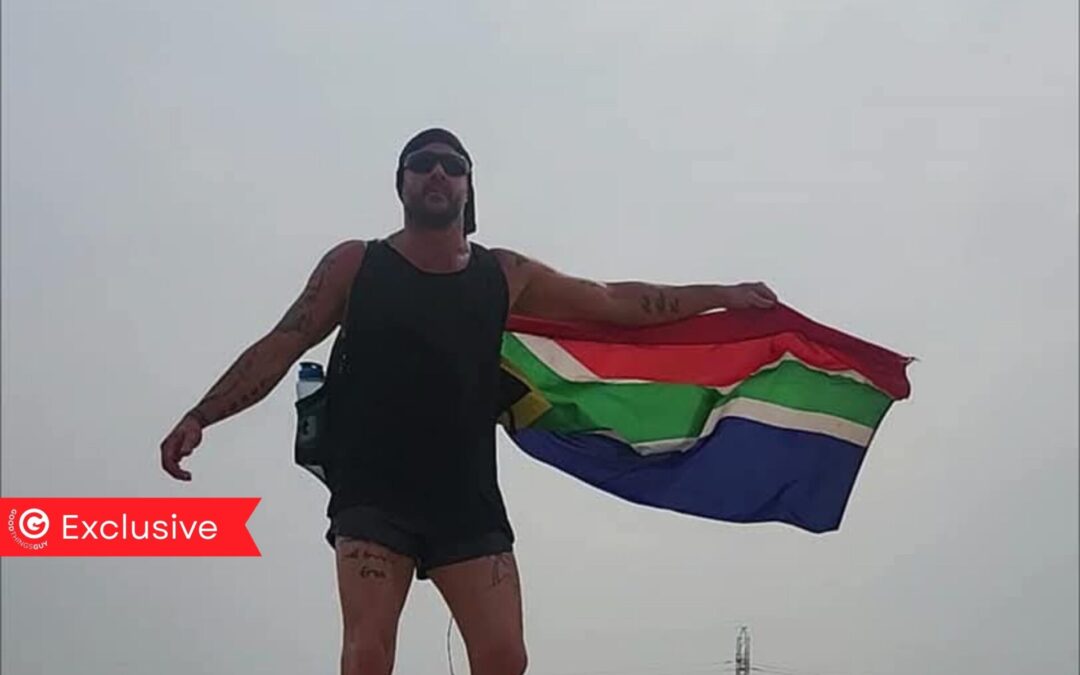
South African endurance walker and philanthropist Gregg Mitchley set off today on a 600km journey from Johannesburg to Durban, marking the start of a multi-day walk aimed at raising funds and awareness for children affected by DOCK8 deficiency.

The initiative, which has already gained national attention through platforms such as Good Things Guy, was originally focused on supporting siblings Jesse and Sadie. The effort has since expanded to include a third child, Jordan, reflecting the broader need for support among families.

Mitchley, known for undertaking physically demanding challenges for charitable causes, will cover the distance on foot over several days, relying on public support and visibility to drive fundraising efforts. The route between Johannesburg and Durban spans varied terrain and conditions, making the walk both logistically and physically demanding.

Speaking in recent interviews, Mitchley has emphasised that the goal is not only to raise funds, but to bring attention to a condition that remains largely unknown to the public. DOCK8 deficiency is a rare and serious immune disorder, and awareness plays a key role in improving access to treatment and support.

The walk officially began today, with Mitchley taking his first steps out of Johannesburg. Supporters are expected to follow the journey closely over the coming days, with updates, donations, and social media engagement forming a core part of the campaign’s momentum.

As the journey progresses, the focus remains clear: sustained public attention and collective support will be critical in turning the visibility generated by the walk into meaningful assistance for the children and families involved.

Mitchley’s departure marks the beginning of what is expected to be a challenging but closely watched journey, with each kilometre contributing to a growing national conversation around rare diseases and the individuals working to support those affected.

JSB Community: Founder of the Gregg Mitchley Foundation, Gregg Mitchley, joins us to talk about his extraordinary 600km walk from Johannesburg to Durban

by The Jet Set Breakfast & Gregg Mitchley

Family Update #11

Family Update #11

 Hi everyone,
I wanted to share a meaningful update on Jesse’s progress since our last post.
We’ve reached a really big milestone — Jesse has officially been discharged from inpatient care and is now an outpatient. We’ve moved across to the Children’s Inn, a special place that supports families going through exactly what we are. This step alone says so much about how far he’s come.

Jesse’s journey over the past weeks has been nothing short of incredible. His blood counts, which dropped all the way down to zero after transplant (as expected), are now steadily rising. His new bone marrow — from his donor — is doing what it’s meant to do, and it’s starting to rebuild his immune system. One of the most encouraging signs is that his chimerism levels are at 100%, meaning his new immune system is fully donor-derived. This is exactly what the doctors were hoping to see.

He did experience some mild upper gastrointestinal GVHD, but thankfully it was caught early and has responded very well to treatment. He’s currently being tapered off the steroids and several of the medications that were part of the initial transplant protocol, which is another positive step forward.
Clinically, Jesse is doing so much better. He’s eating like an absolute machine, his stomach has settled completely, no more cramps, no nausea, and everything is functioning as it should. His strength is coming back, his energy is improving daily, and most importantly — he’s becoming himself again.
We’ll now be going into the hospital about three times a week for ongoing monitoring. Jesse still has a PICC line in place, which allows the team to take blood easily and administer anything he might need without repeated needle sticks. At this stage, his bloodwork looks good and he hasn’t needed any transfusions, but the line is there as a precaution.
Over the next couple of months, while we stay at the Children’s Inn, the team will continue to monitor him very closely. This includes watching for any signs of GVHD, as well as keeping a careful eye on infections — bacterial, viral, and fungal — while his new immune system continues to strengthen and mature.
This phase is all about steady recovery, careful monitoring, and allowing his body the time it needs to fully rebuild.
We are incredibly grateful to have reached this point. It’s a big step forward, and one we don’t take lightly.
The NIH is truly the best facility in the world that we are so extremely fortunate and blessed to allow Jesse the best medical care through this journey!

Jesse is doing really well — stronger, healthier, and moving in the right direction every single day. He’s not completely out of the woods yet, but he is definitely coming through them… and everything is looking positive from here.
Thank you to everyone who continues to support, pray, and stand with us. It truly means the world.
– Clayton and Lee-Ann


Update also available on Facebook: https://www.facebook.com/share/r/1MeyQtvtr5/

Family Update #10

Family Update #10

Hi everyone,

I’d like to share another update on Jesse following our last post. (Day+31)
After the previous update, Jesse was scheduled to have a scope done on his stomach so the doctors could better understand why he was experiencing such severe cramping and ongoing nausea. At that stage, he was already on a full range of anti-nausea medications, but unfortunately the symptoms were not settling.
Following the scope, Jesse was immediately sent for a sonogram. After reviewing all the results together, the doctors confirmed that Jesse had developed acute Grade 1 GVHD (Graft-versus-Host Disease) in the upper gastrointestinal tract.

GVHD happens when the new donor immune cells begin reacting against the body they have entered. In Jesse’s case, he now has his mom’s donor cells working inside his body. The immune cells are essentially trying to work out what belongs and what doesn’t, and during that process they can sometimes overreact and cause inflammation. The treatment for this is medication that calms down the immune response so the cells can learn to coexist and tolerate each other over time.

The doctors started Jesse on a steroid treatment to reduce the inflammation and settle the immune reaction—and thankfully it worked incredibly well. His body responded almost immediately. The nausea improved, his appetite returned, the stomach cramps and diarrhea eased, and he began regaining strength. With the inflammation settling down, his blood counts also started improving quite significantly, and he is currently sitting at some very encouraging levels.

Before starting the steroids, the team also performed a chimerism test. This test measures how much of the blood and immune system is made up of donor cells versus Jesse’s original cells. We were incredibly grateful to learn that Jesse’s results came back showing 100% donor cells, which is a fantastic outcome and exactly what the doctors were hoping to see. They will continue monitoring this over the coming days and weeks.

At the moment, Jesse’s blood pressure has been running a bit high, which the doctors believe is likely related to some of the medications he is currently taking. They are monitoring this closely.
Since the last update, Jesse has also had his central line removed and replaced with a PICC line in his arm. This allows the team to draw blood and administer medications without needing to poke him with needles every day, which is a big relief for him. His blood is tested daily to monitor his counts and medication levels.

As part of their routine monitoring, the doctors have also been running regular stool, urine, and nasal swab tests every few days. These picked up two parasites and a virus, which Jesse is now receiving medication for. This can happen after transplant when the immune system is extremely suppressed—organisms that normally stay quiet in the body can take advantage of the weakened immune defenses. Thankfully everything has been detected early and is being treated.

The level of care Jesse has received here has honestly been incredible. The doctors and staff have been unbelievably thorough and careful with every detail, and it has been a privilege to work with such an amazing team here at the NIH.

If everything continues to go well, we are hoping that Jesse will soon be discharged from the inpatient unit and move to outpatient care. This means we will stay nearby instead of in the hospital itself, but we will still return to the hospital every day for monitoring and tests. Being able to stay in a quiet room without all the machines and alarms will be a really nice step forward for Jesse.

Right now the focus is on continuing to build Jesse’s strength, allowing his new immune system and blood cells to mature, and gradually reducing the number of medications he needs as his body stabilizes. The doctors will keep adjusting things day by day based on his blood results.

We still need to remain here in the United States for the full 100 days after transplant. Jesse is currently on Day +31, so we still have a little over two months to go. It’s a long road, but we are receiving the best care possible and we want to make sure every single box is checked to give Jesse the strongest future possible.
Overall, things are moving in the right direction and Jesse is continuing to make progress.

We just want to say a heartfelt thank you to everyone who has supported us, prayed for Jesse, and sent messages of encouragement. This journey has been one of the hardest experiences of our lives. At times it has truly felt like we’ve walked through hell. But we know the end goal is worth every step, and we are incredibly grateful for the love and support surrounding Jesse.

Thank you all for walking this road with us.🙏
Clayton, Lee-Ann and Jesse