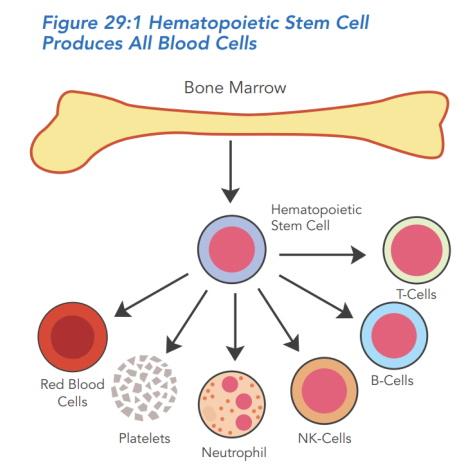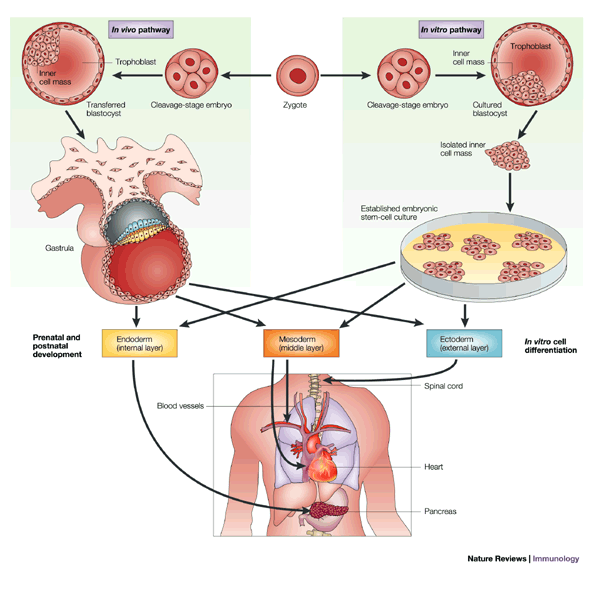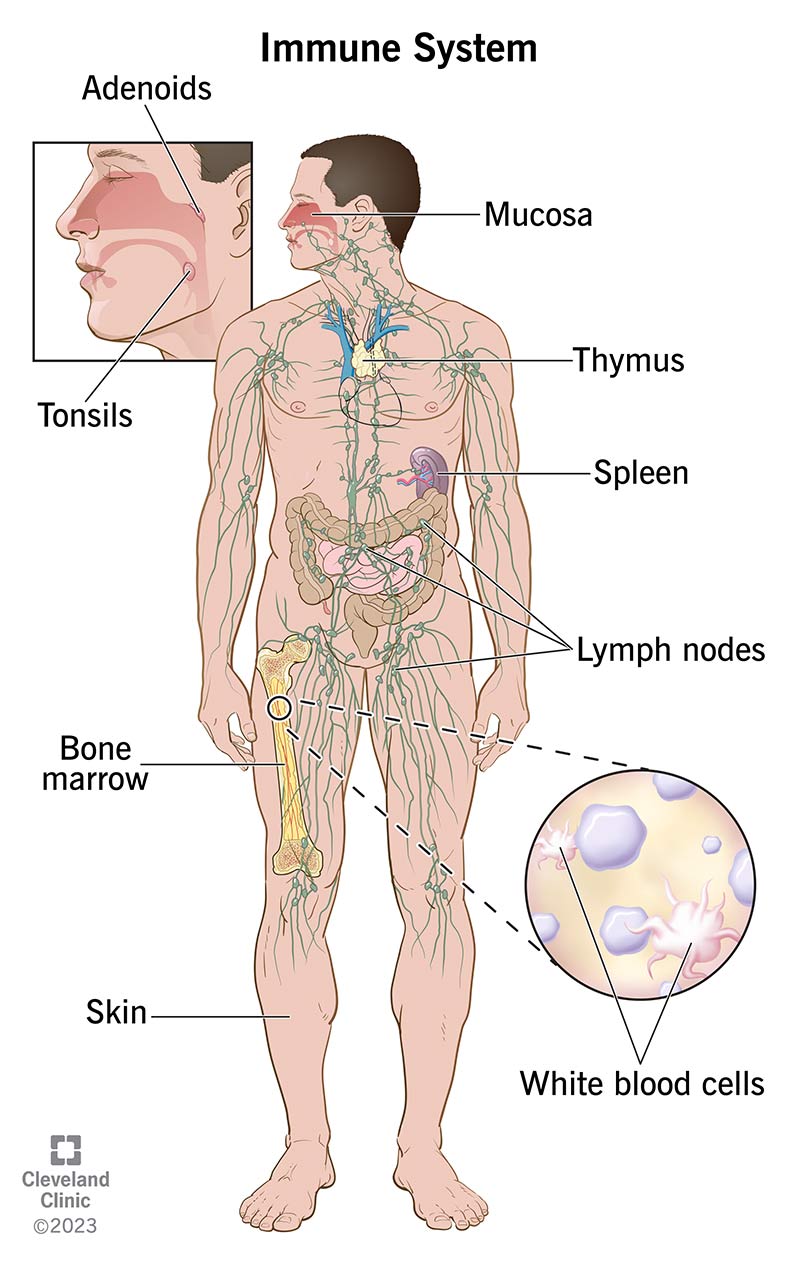
A suitable donor match has been identified for Jesse. The donor process follows established NIH transplant protocols used in the treatment of DOCK8 deficiency and other rare primary immunodeficiencies. The process is highly regulated, evidence-based, and designed to prioritise both donor safety and transplant success.
Donor Medical Evaluation
Before donation, the donor undergoes a comprehensive medical assessment conducted by the transplant team. This includes:
-
Full medical history and physical examination
-
Infectious disease screening (including HIV, hepatitis, CMV, EBV)
-
Blood tests to assess organ function and baseline blood counts
-
Final compatibility confirmation
Only donors who meet strict clinical safety criteria are cleared to proceed.
Stem Cell Mobilisation
Once approved, the donor begins stem cell mobilisation. This involves:
-
Short-term administration of medication to stimulate stem cell release into the bloodstream
-
Daily monitoring by the transplant team
-
Expected, temporary side effects such as bone discomfort, fatigue, or headaches
Mobilisation is reversible and does not cause long-term changes to bone marrow function.
Stem Cell Collection (Apheresis)
Stem cells are collected via peripheral blood stem cell apheresis, a standard outpatient procedure:
-
Blood is drawn through a sterile line and passed through a specialised collection system
-
Stem cells are separated and collected
-
Remaining blood components are returned to the donor
-
The procedure typically lasts several hours
-
Some donors may require a second collection session to reach the target cell dose
No surgery or general anaesthesia is involved.
Post-Donation Monitoring and Recovery
Following collection, the donor is monitored for a short recovery period:
-
Blood counts typically normalise within days
-
Most side effects resolve quickly without intervention
-
Donors resume normal activities shortly thereafter
Long-term complications are rare, and NIH data supports the overall safety of this process.
Use of Donated Cells in the NIH DOCK8 Programme
The collected stem cells are prepared according to NIH disease-specific transplant protocols for DOCK8 deficiency. These protocols are designed to:
-
Achieve stable donor cell engraftment
-
Minimise transplant-related complications
-
Support immune system reconstitution over time
The transplant team conducts continuous monitoring throughout and after transplantation to ensure safety and effectiveness.
Summary
Donor stem cell collection under the NIH DOCK8 programme is a controlled, time-limited medical process with a strong safety profile. For Jesse, the identification of a suitable donor enables the next critical step toward definitive treatment under specialised NIH care.