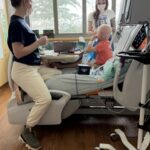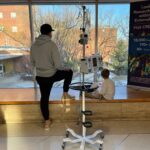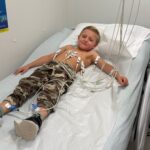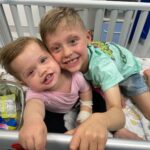
It’s hard to put into words what we have witnessed them go through and the fear that sits in your chest and won’t leave. Right now, as they’re packing and getting ready to go, I’m thinking about the courage it takes to leave, the ache of distance, the gratitude for every doctor, researcher, donor, and stranger who helped make this happen. Sadie is staying home, surrounded by people who love her, continuing her own journey with the same hope and fight. They’re on different paths for now, but it’s the same story. Three days from now, Jesse takes this step. I’ll keep updating as things move forward. Thank you for being with us through this.
For now, here is more information on the NIH program for DOCK8:
NIH DOCK8 Programme
The National Institutes of Health (NIH) runs one of the world’s most advanced programmes for rare immune disorders such as DOCK8 deficiency. Admission into this programme follows extensive medical review and is offered only when a child’s clinical profile aligns with the research and treatment criteria.
Jesse’s treatment will take place within a clinical research framework, where care is delivered by multidisciplinary teams specialising in primary immunodeficiencies and paediatric transplant medicine. This setting allows access to highly specialised expertise, intensive monitoring, and treatment protocols informed by global research and long-term outcome data.
The NIH covers the core transplant and treatment costs associated with the research protocol itself. However, DOCK8 is a lifelong condition, and care does not end when the programme concludes. Post-treatment needs, including long-term immune monitoring, potential complications, medications, and follow-up care once Jesse returns home, will fall outside the scope of the NIH programme and continue to be evaluated with his medical team.
This pathway represents a rare and important opportunity: one grounded in science, precision medicine, and the best possible chance at long-term immune recovery.
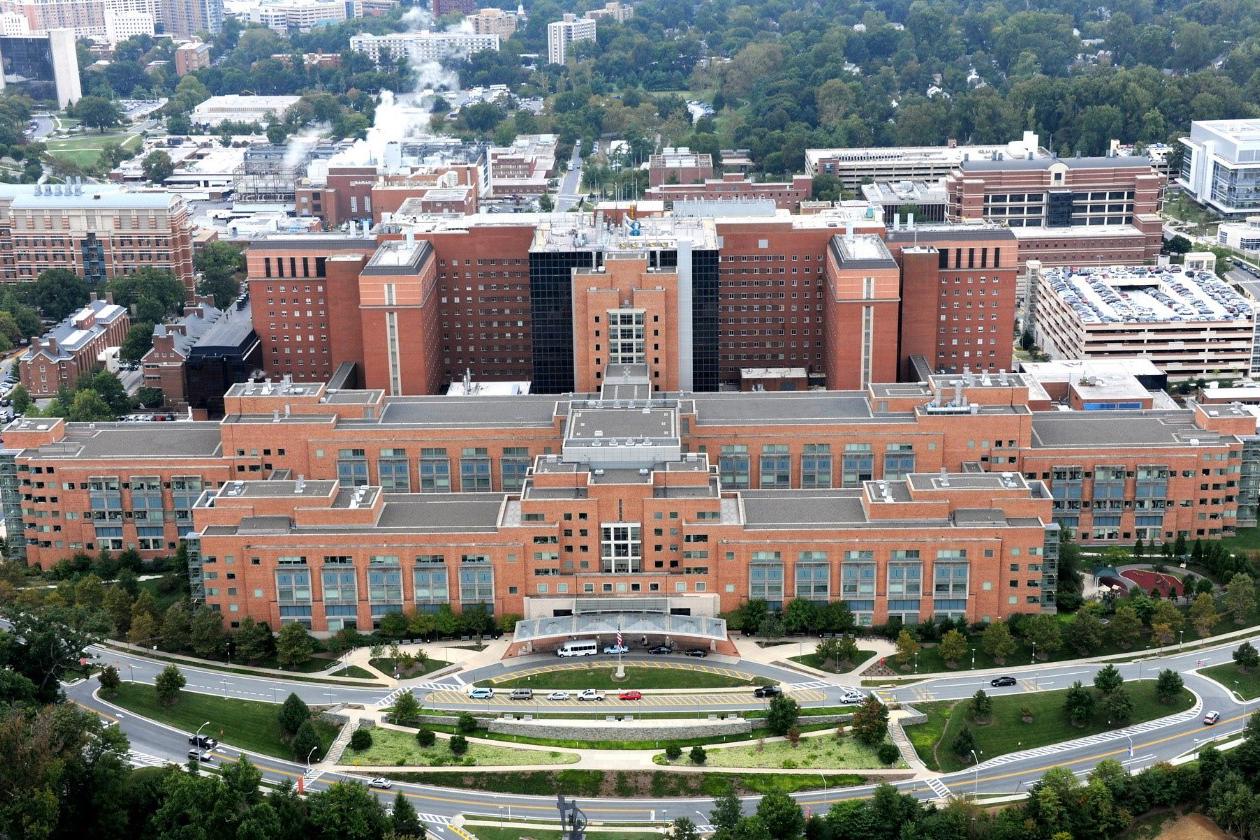
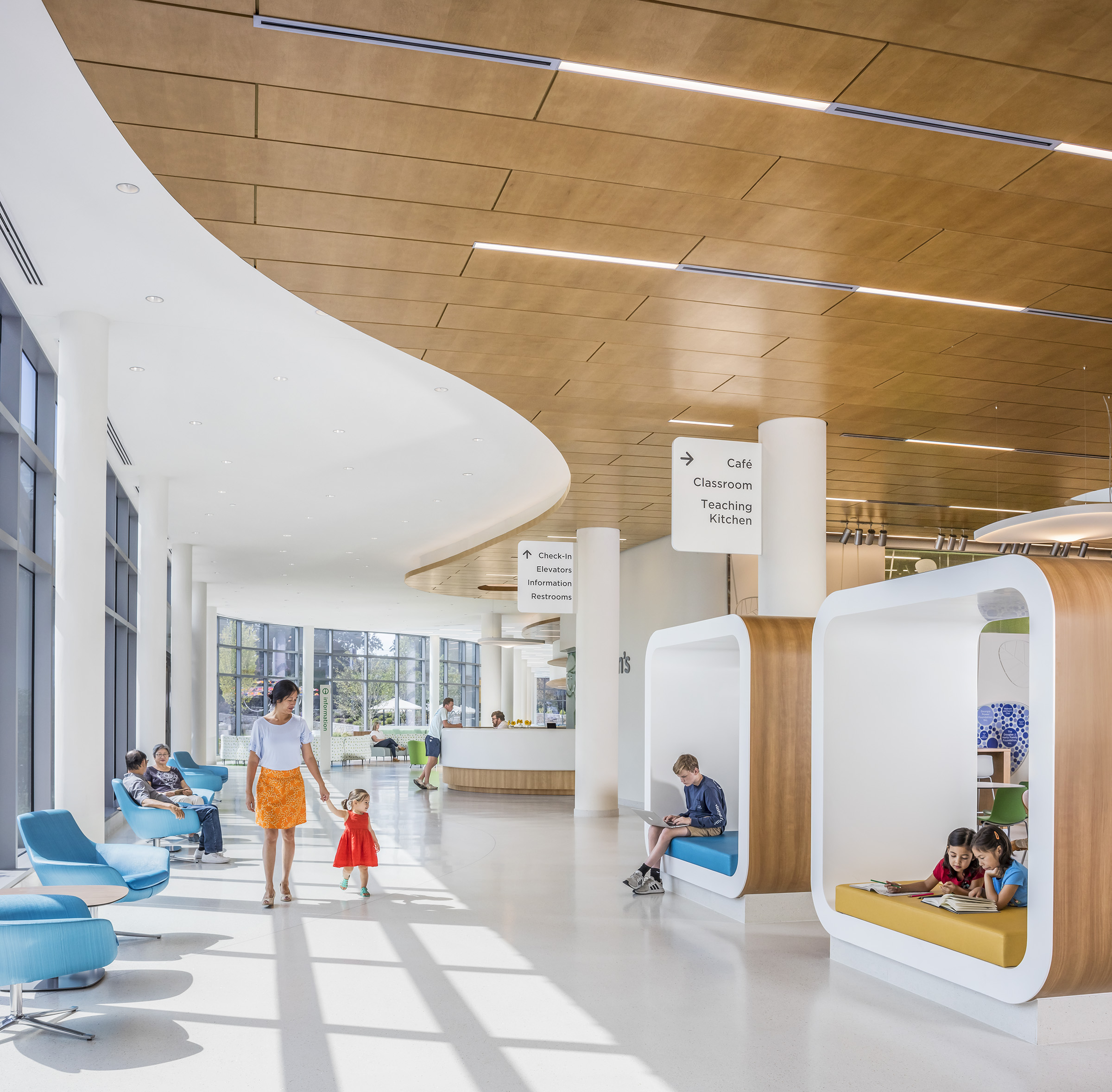
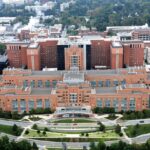
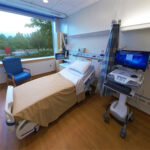
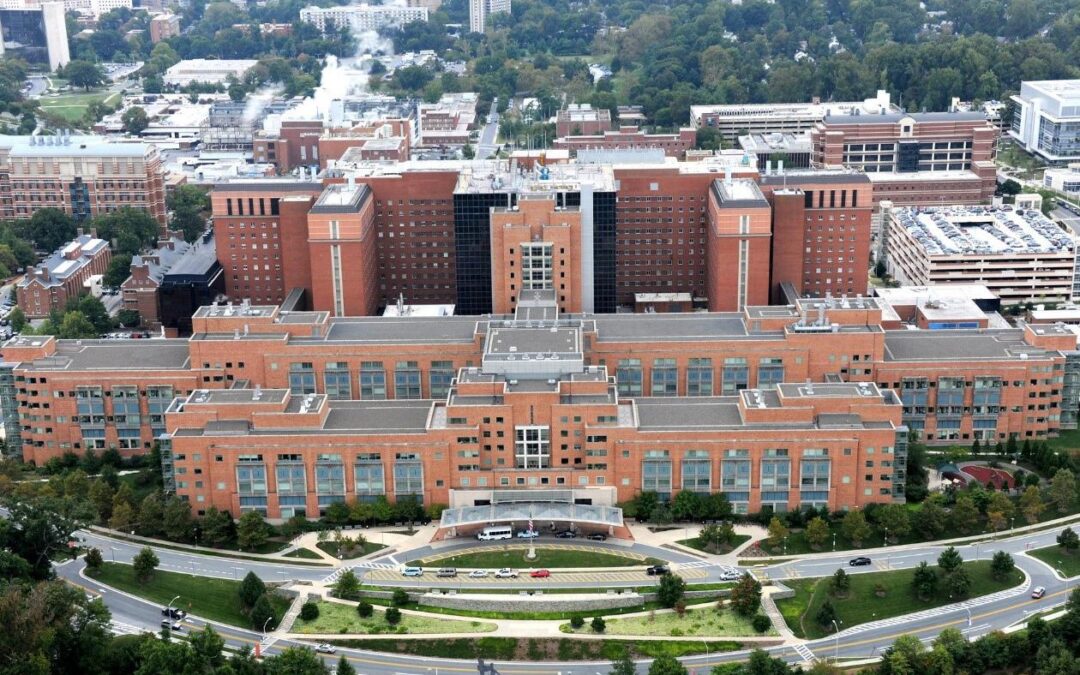
The National Institutes of Health Clinical Center in Bethesda, Maryland — the hospital where Jesse’s treatment and monitoring will take place. This is the largest clinical research hospital in the world, purpose-built for rare and complex conditions.