Stem Cell Transplant Is the Only Curative Treatment for DOCK8

Stem Cell Transplant Is the Only Curative Treatment for DOCK8

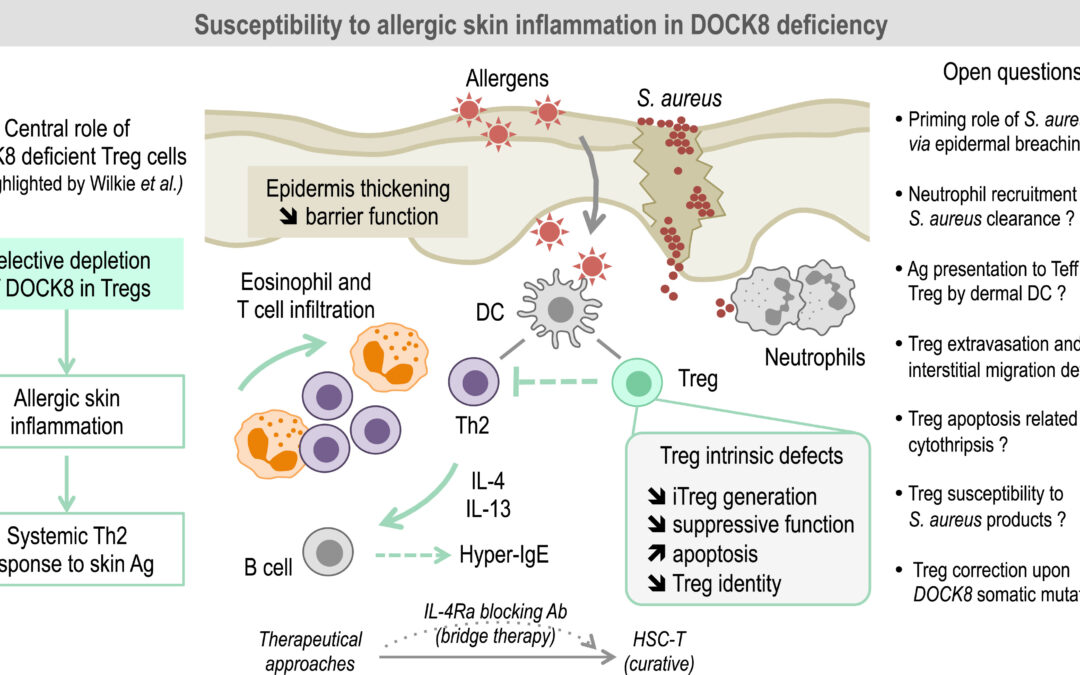
Families facing DOCK8 deficiency are often asked why doctors recommend stem cell transplantation so strongly and sometimes so early. The answer is rooted in biology, not opinion.

DOCK8 deficiency is a genetic immune disorder. No medication can replace a missing or defective gene across the immune system. Antibiotics, antivirals, and immune-modulating drugs can treat symptoms, but they cannot restore normal immune function.

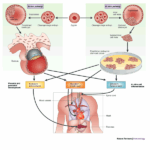
Haematopoietic stem cell transplantation (HSCT) works by replacing the patient’s defective immune system with donor stem cells capable of producing healthy immune cells. Over time, these cells repopulate the immune system, allowing the body to fight infections normally.

In DOCK8, HSCT has been shown to:

  • Reduce or eliminate chronic viral infections
  • Restore immune function
  • Reduce cancer risk
  • Improve long-term survival

However, HSCT is not simple or low-risk. It involves:

  • Intensive conditioning chemotherapy
  • Profound temporary immune suppression
  • Risk of infection
  • Risk of graft-versus-host disease (GVHD)
  • Long hospital stays and isolation
  • Prolonged immune recovery

For children with DOCK8, these risks are weighed against the certainty of progressive disease without transplant. In experienced centres, outcomes have improved significantly, particularly when transplant occurs before irreversible organ damage. This is why timing matters. Doctors aim to transplant children when they are strong enough to tolerate the procedure, but before cumulative infections cause lasting harm especially to the lungs.

HSCT is not undertaken lightly. It is chosen because it offers something no other treatment can: the possibility of a normal immune system and a life not dominated by illness.
  • EBMT/ESID Guidelines for HSCT in IEI (consensus: allo-HSCT curative for many IEI). EBMT+1

  • NIH/NCBI EBMT Handbook IEI chapter (HCT as life-saving/curative in IEI). NCBI

  • Al-Herz et al. (HSCT only curative option; long-term outcomes without). PMC

Family Update #2

Family Update #2

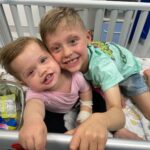
From the bottom of our hearts – thank you. Every donation, message, and share has carried us through these incredibly tough months, and we’re so grateful to share our first update on Sadie and Jesse’s journey with you.

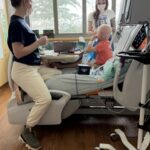
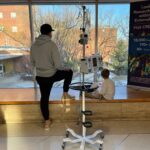
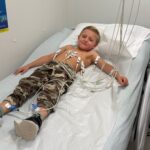
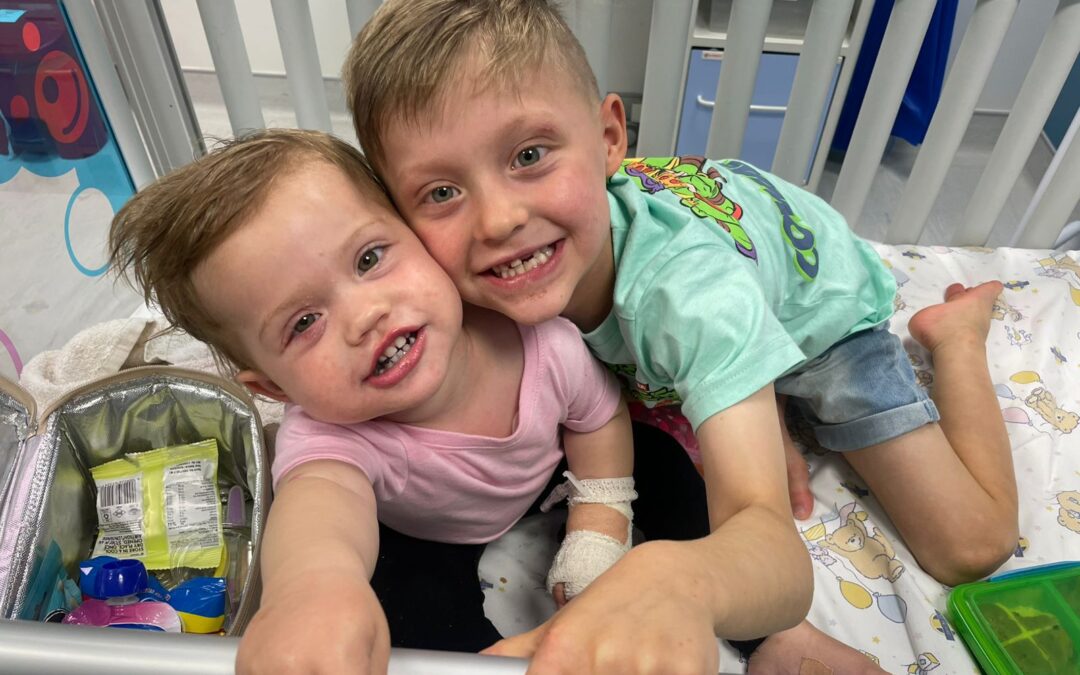
This week, both kids received their second round of treatment, an important step in keeping them strong and stable as we prepare for the transplants ahead. The first treatment was an eight-hour IV infusion called Polygam, an immune-boosting therapy made from antibodies donated by healthy people. It helps strengthen Sadie and Jesse’s immune systems so their little bodies can fight off infections more effectively.

It was a long day filled with bravery and tears, but they made it through.
The new method, now delivered slowly through a small pump into the stomach, is a gentler process for them, though it still comes with nausea and shakes. They’re also on a combination of antiviral and antibiotic medications to help keep infections at bay and give them the best possible chance of staying strong.

Thanks to your generosity, we’ve already raised R294,108 – every rand helping us get one step closer to the life-saving stem cell transplants they need. From the deepest corners of our hearts, thank you for standing with us.

Your kindness gives us hope, and strength.
Forever grateful, the Krause family

Gratitude for Awareness: The Good Things Guy

Gratitude for Awareness: The Good Things Guy

When a diagnosis is uncommon, there is often no roadmap, no local reference point, and very little public understanding of what families are facing day to day. That’s why awareness matters. 

We want to extend our sincere thanks to Brent Lindeque and the team at Good Things Guy for sharing Jesse and Sadie’s story with such care and humanity.

You can read the article here:
https://www.goodthingsguy.com/people/siblings-rare-condition-south-africa/

Brent has a rare gift for telling stories that don’t sensationalise hardship or reduce families to headlines. Instead, he creates space for understanding and that matters deeply in a journey like this one.

DOCK8 immunodeficiency is not a condition most people have ever heard of. It doesn’t come with public campaigns, established local treatment pathways, or widespread recognition. Families facing it are often navigating complex medical decisions while simultaneously explaining, again and again, why a simple infection isn’t simple, and why “waiting it out” isn’t an option.

For donors and supporters, awareness builds context. It allows people to give not out of shock or pity, but out of understanding and trust. For families, awareness reduces isolation. It reminds us that even when the medical road is narrow and uncertain, we are not walking it unseen.

Thank you, Brent, for using your platform to amplify stories that matter and for doing so with integrity. To everyone who has read, shared, prayed, or reached out after seeing this article, thank you. Your kindness strengthens us more than you know.

When Common Viruses Become Dangerous: Life With DOCK8 and Severe Skin Disease

When Common Viruses Become Dangerous: Life With DOCK8 and Severe Skin Disease

One of the most visible and often misunderstood features of DOCK8 deficiency is severe viral skin disease. Among the most distressing examples is molluscum contagiosum, a virus that most healthy children clear easily.

For children with DOCK8, molluscum is not mild.

Molluscum contagiosum is caused by a poxvirus that infects the skin. In children with normal immune systems, it usually causes small, painless bumps that resolve over months. In children with DOCK8, the immune system cannot control the virus. Instead of clearing, the infection spreads, multiplies, and persists.

In Jesse and Sadie’s case, molluscum has been severe and widespread. Lesions can involve large areas of the body, including sensitive regions such as the face, eyelids, neck, and skin folds. Because the virus persists, lesions often become inflamed, infected with bacteria, painful, and slow to heal.

This is not a cosmetic issue. Severe molluscum in DOCK8 reflects deep immune dysfunction.

Chronic viral skin infections:

  • Create open portals for bacterial infection
  • Increase the need for repeated antibiotics
  • Cause scarring and long-term skin damage
  • Lead to significant physical discomfort
  • Have a profound emotional and social impact on children and families

Treatments that work in healthy children — topical therapies, freezing, curettage, are often ineffective or poorly tolerated in DOCK8 patients. Even when lesions are removed, new ones appear. The immune system simply cannot “finish the job.”

This same immune failure explains why other viral infections including herpes simplex, shingles, and HPV are often severe and persistent in DOCK8 patients. It also explains why doctors worry deeply about long-term cancer risk, as chronic viral infection and immune dysregulation are known contributors to malignancy.

For families, this means constant vigilance:

  • Strict skin care routines
  • Infection control measures
  • Frequent medical visits
  • Managing pain, itching, and secondary infections

Navigating the emotional toll of visible disease

When people see photographs or hear descriptions of severe molluscum, it can be shocking. But it is important to understand: this is not neglect, and it is not poor hygiene. It is the visible expression of a profoundly compromised immune system.

This is also why doctors view HSCT as urgent. Clearing molluscum and other viral infections is often one of the clearest signs of immune recovery after transplant because it means the body can finally do what it could not before.

  • Al-Herz et al. (DOCK8: persistent viral infections, immunology, HSCT cure). PMC

  • EBMT Handbook IEI chapter (infection susceptibility & transplant principles). NCBI

  • DOCK8 case literature reflecting severe viral disease and immune dysregulation (recent examples/case reports). Frontiers+1

Family Update #1

Family Update #1

Thank you for the incredible kindness, messages, and generosity we’ve received. Your support has carried us through an incredibly difficult time, and we’re deeply grateful to everyone who has donated or contributed in any way. Every gesture has made a real difference.

From the bottom of our hearts, thank you for standing with us. Thank you for every message, donation, and act of kindness. Your compassion gives us strength and hope every day.

The Krause family