Family Update #8

Family Update #8

Hi everyone,

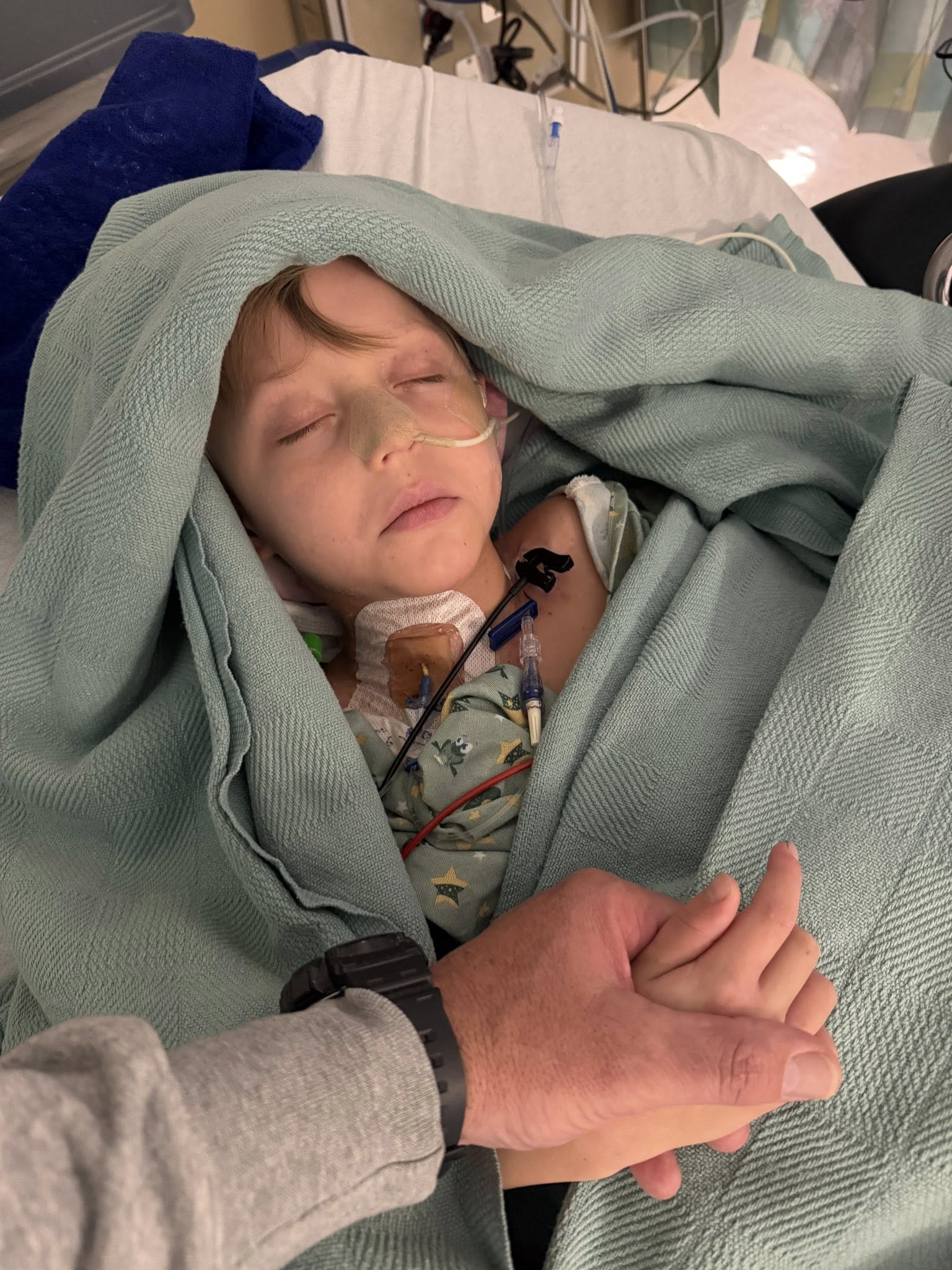
We wanted to share an update on Jesse as he reaches Day +6 after his bone marrow transplant for DOCK8 deficiency.
The transplant itself went very smoothly, and we’re so grateful that he had no immediate side effects from the infusion. A few days later, he started additional chemotherapy medication designed to help prevent graft-versus-host disease (GVHD). He has since continued on immune-suppressing medication to further reduce the risk of GVHD, along with a growth factor medication to help stimulate his white blood cells to grow and multiply.

Right now, Jesse is in what they call the “transitional phase.” His blood counts are steadily dropping, which is expected at this stage. They haven’t reached zero yet, but the team anticipates that around Day +8 his counts will be at their lowest. This is considered the most vulnerable period of the transplant process because his immune system will essentially be at its weakest.
During this time, he is more susceptible to:
• Infection
• Fevers
• Nausea and vomiting
• Mouth and throat sores (mucositis)
• Stomach cramps
• Fatigue
• Loss of appetite
• General discomfort and weakness
All of these are expected side effects of the treatment, and the medical team is watching him very closely.

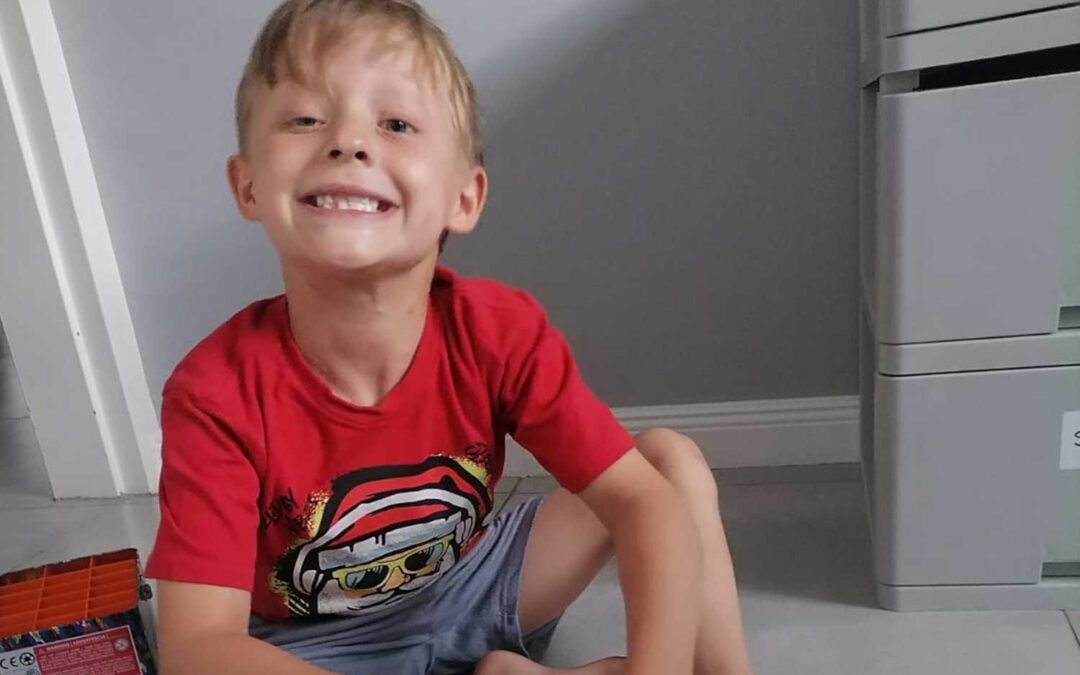
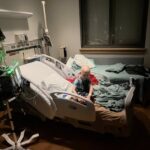
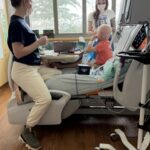
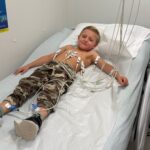
Today, on Day +6, Jesse is feeling very tired. He stayed in bed most of the day and is struggling with his appetite, though he is still managing to eat a little. We are taking it one day at a time.
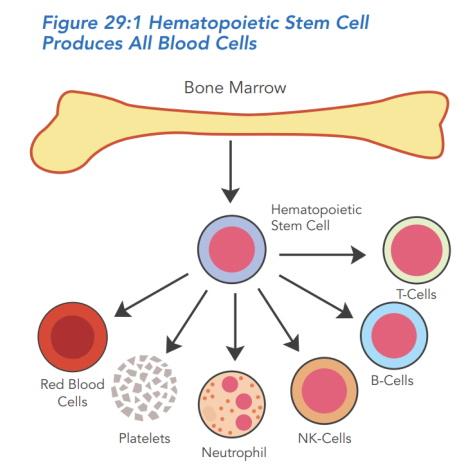
If all goes as hoped, we are looking toward Day +14 and beyond for signs of engraftment — when his new bone marrow begins producing healthy blood cells and his counts start to rise. That will be a major milestone. There is a delicate balance right now between the immune-suppressing medications (which protect him from GVHD) and the new marrow establishing itself. This waiting period carries a lot of anticipation and suspense for us.
So at the moment, we are in the middle of the hardest stretch — watching, waiting, and trusting the process.
We are deeply grateful for your prayers, messages, and support. Please continue to keep Jesse in your thoughts and prayers as we move through these next crucial days toward engraftment.

With love and gratitude,
Clayton, Lee-Ann and Jesse

Family Update #7

Family Update #7

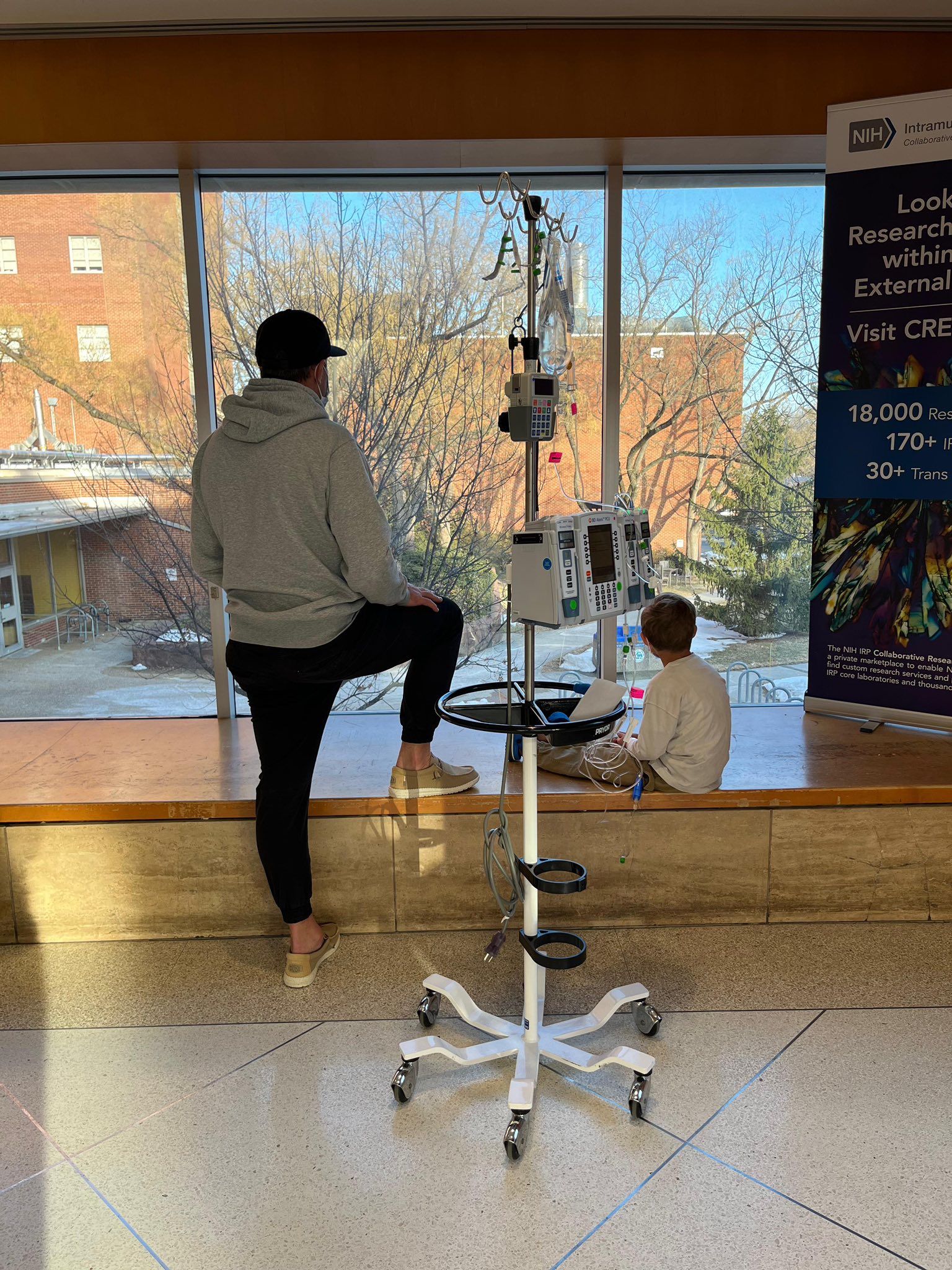
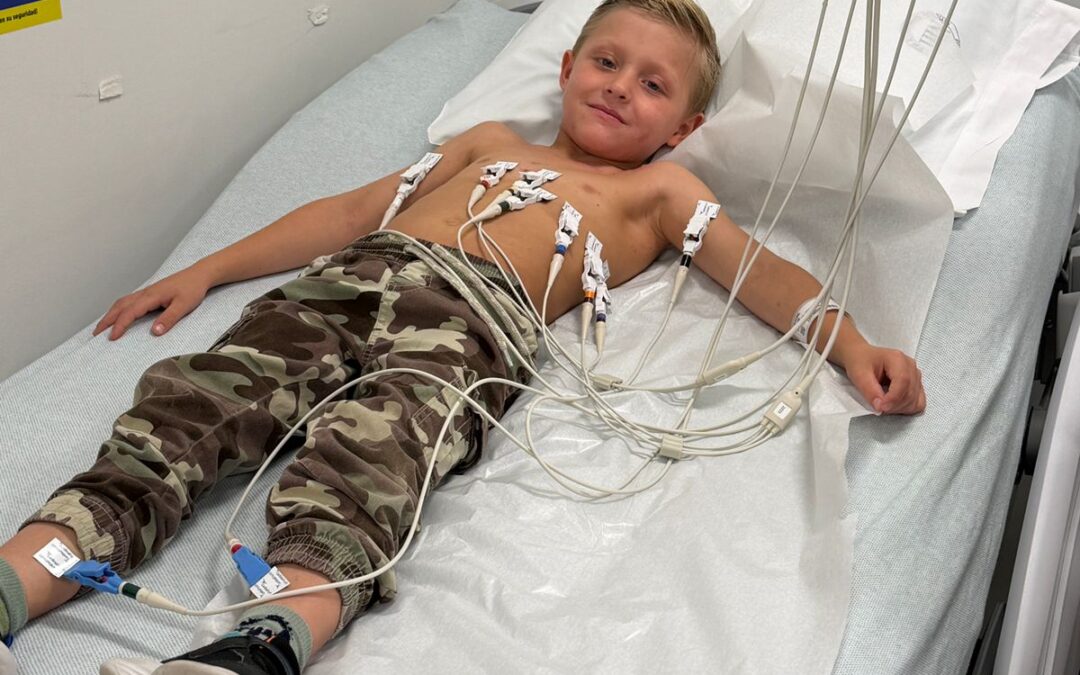
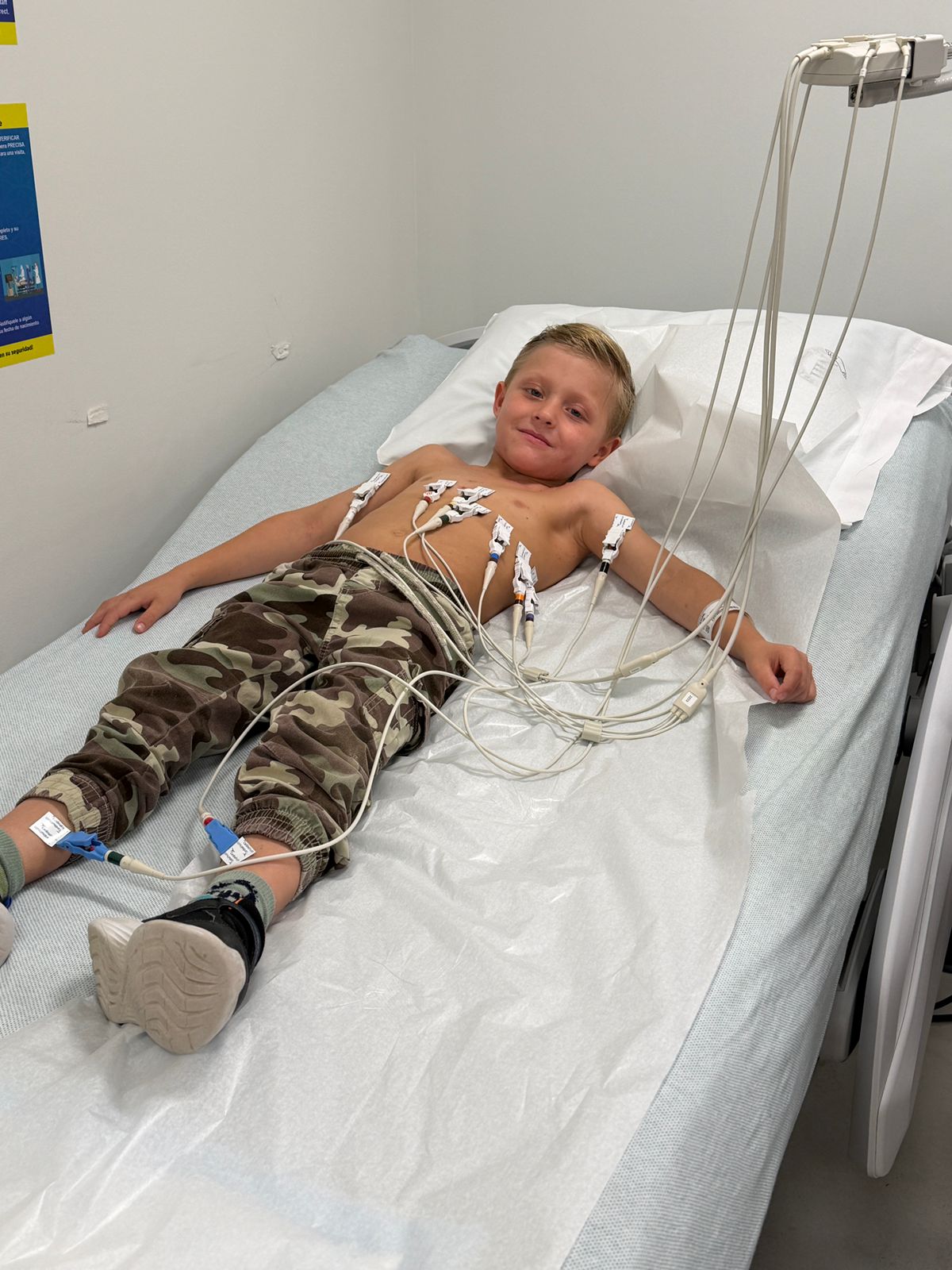
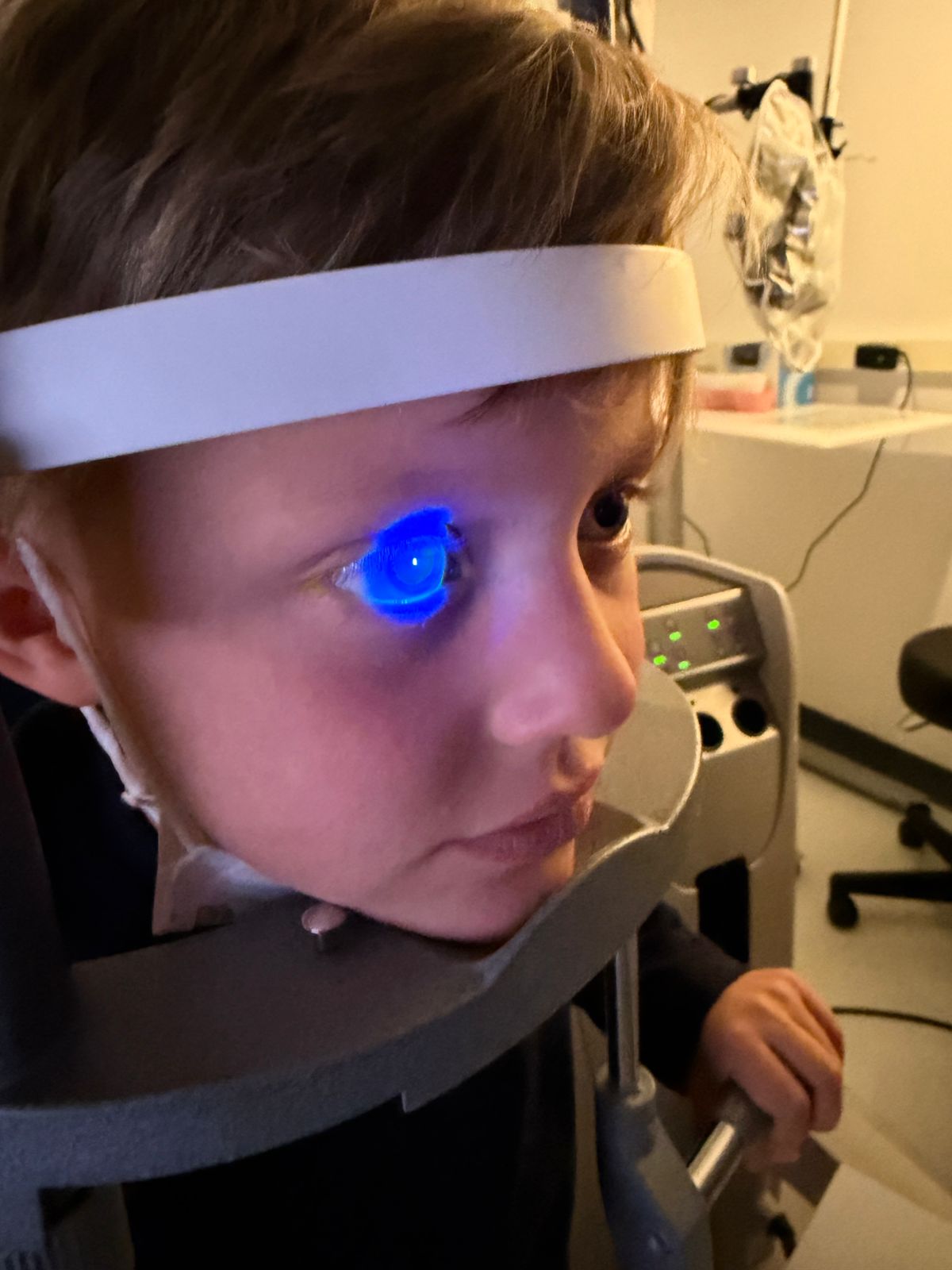
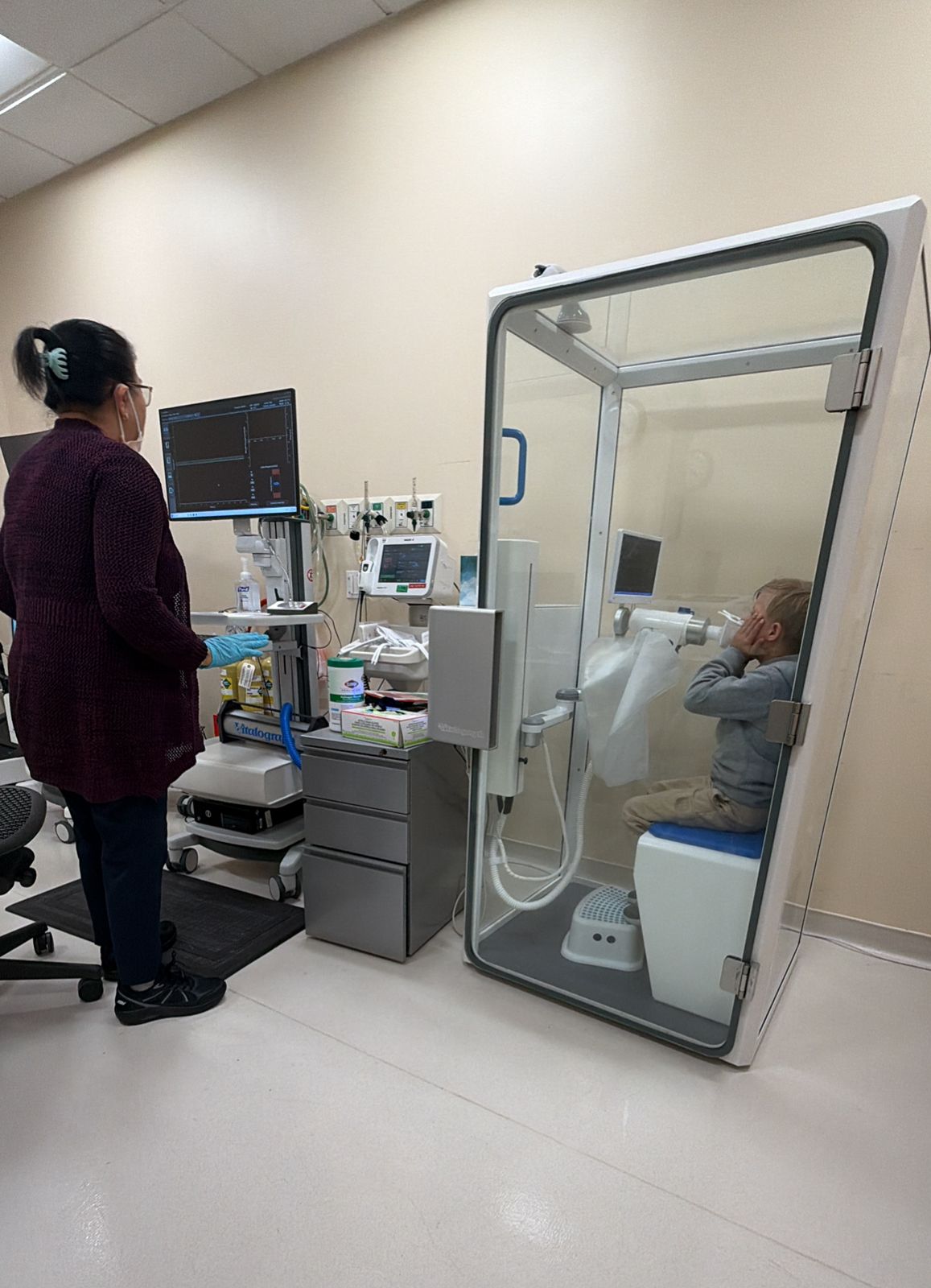
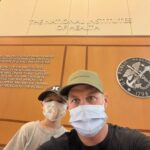
The Krause family — Clayton, Lee-Ann, and Jesse — are now three weeks into the NIH program in Washington, DC. Jesse has undergone numerous medical screenings and scans, including MRIs and CT scans. On the 20th January, Jesse had his testicular biopsy operation at Children’s National Hospital in Washington, DC. The procedure went well, and Jesse has recovered. They are now in the process of concluding all appointments and interviews with the medical professional teams and are consolidating the final checks and balances in preparation for the transplant process. The confirmed commencement date is 4th February, 2026, which is labeled as Day -6. The transplant will take place on Day 0, and the conditional post-transplant process will continue through Day 100. It has been an extremely tough time for the family; however, each day brings a positive step closer toward Jesse’s healing. Through it all, Jesse continues to show remarkable resilience and strength. The professional staff at the NIH have been exceptional, and Jesse is most certainly receiving the best care available. We continue to pray for daily small wins and for overall success in the months ahead. As difficult as this journey will be for the family and little Jesse, we know that with God’s intervention, all will go well. Thank you again for all your love and support. 💙
3 Days to Hope

3 Days to Hope

In three days, Clayton and his family are flying to Washington DC, to the NIH. Since August, they’ve been waiting for a pathway and waiting for clarity. Making decision after decision, and now it’s here.
It’s hard to put into words what we have witnessed them go through and the fear that sits in your chest and won’t leave. Right now, as they’re packing and getting ready to go, I’m thinking about the courage it takes to leave, the ache of distance, the gratitude for every doctor, researcher, donor, and stranger who helped make this happen. Sadie is staying home, surrounded by people who love her, continuing her own journey with the same hope and fight. They’re on different paths for now, but it’s the same story. Three days from now, Jesse takes this step. I’ll keep updating as things move forward. Thank you for being with us through this.

For now, here is more information on the NIH program for DOCK8:

NIH DOCK8 Programme

The National Institutes of Health (NIH) runs one of the world’s most advanced programmes for rare immune disorders such as DOCK8 deficiency. Admission into this programme follows extensive medical review and is offered only when a child’s clinical profile aligns with the research and treatment criteria.

Jesse’s treatment will take place within a clinical research framework, where care is delivered by multidisciplinary teams specialising in primary immunodeficiencies and paediatric transplant medicine. This setting allows access to highly specialised expertise, intensive monitoring, and treatment protocols informed by global research and long-term outcome data.

The NIH covers the core transplant and treatment costs associated with the research protocol itself. However, DOCK8 is a lifelong condition, and care does not end when the programme concludes. Post-treatment needs, including long-term immune monitoring, potential complications, medications, and follow-up care once Jesse returns home, will fall outside the scope of the NIH programme and continue to be evaluated with his medical team.

This pathway represents a rare and important opportunity: one grounded in science, precision medicine, and the best possible chance at long-term immune recovery.

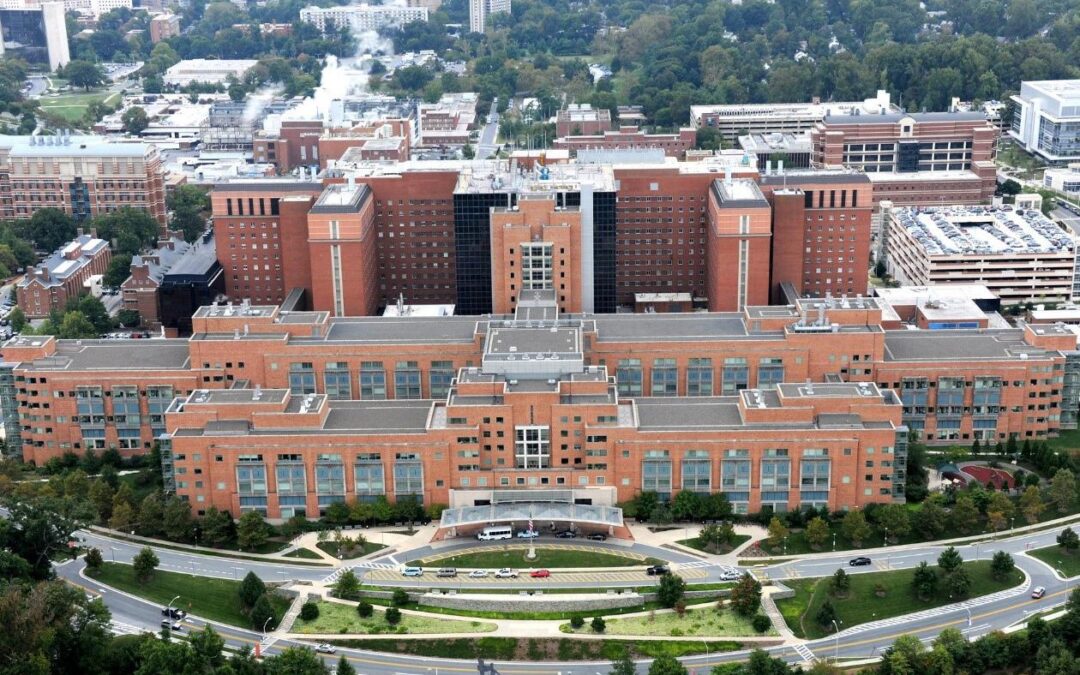
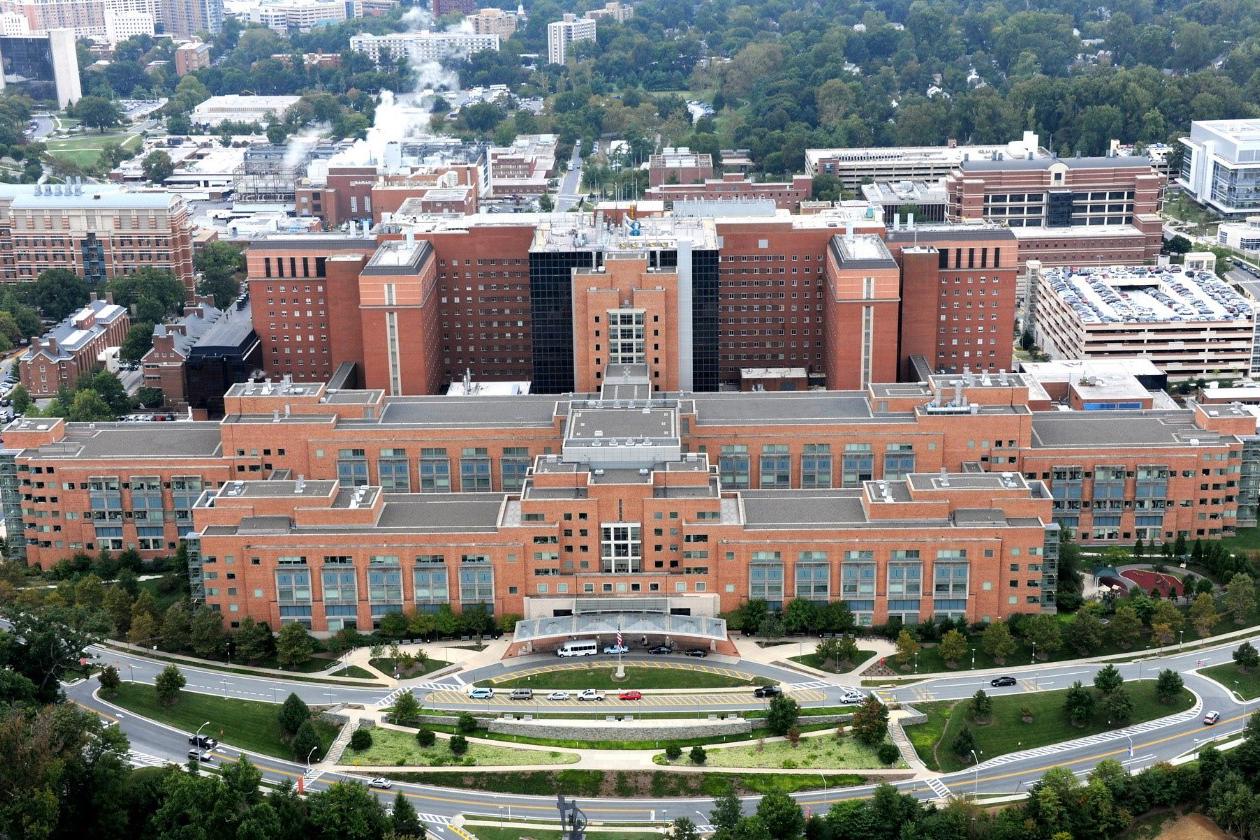
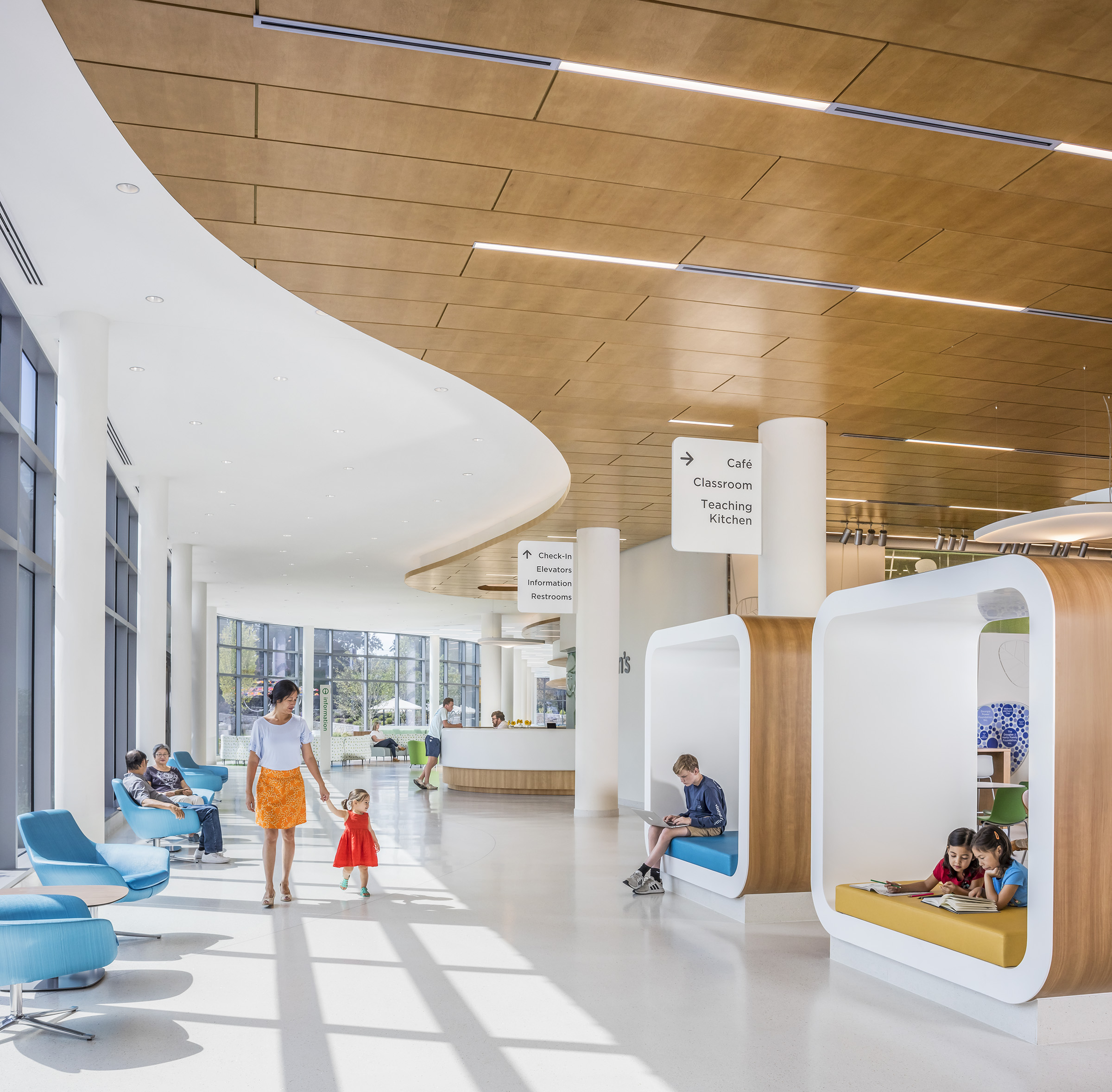
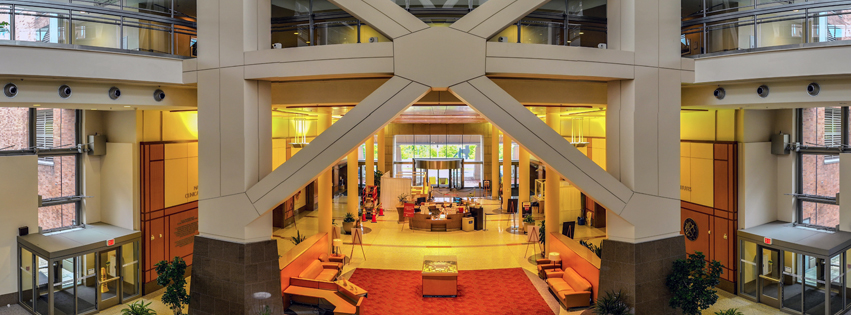
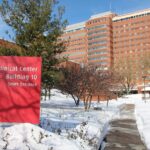
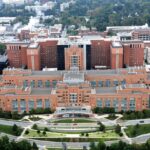
The National Institutes of Health Clinical Center in Bethesda, Maryland — the hospital where Jesse’s treatment and monitoring will take place. This is the largest clinical research hospital in the world, purpose-built for rare and complex conditions.

Donor Process Under the NIH DOCK8 Transplant Protocol

Donor Process Under the NIH DOCK8 Transplant Protocol

A suitable donor match has been identified for Jesse. The donor process follows established NIH transplant protocols used in the treatment of DOCK8 deficiency and other rare primary immunodeficiencies. The process is highly regulated, evidence-based, and designed to prioritise both donor safety and transplant success.

Donor Medical Evaluation

Before donation, the donor undergoes a comprehensive medical assessment conducted by the transplant team. This includes:

  • Full medical history and physical examination

  • Infectious disease screening (including HIV, hepatitis, CMV, EBV)

  • Blood tests to assess organ function and baseline blood counts

  • Final compatibility confirmation

Only donors who meet strict clinical safety criteria are cleared to proceed.

Stem Cell Mobilisation

Once approved, the donor begins stem cell mobilisation. This involves:

  • Short-term administration of medication to stimulate stem cell release into the bloodstream

  • Daily monitoring by the transplant team

  • Expected, temporary side effects such as bone discomfort, fatigue, or headaches

Mobilisation is reversible and does not cause long-term changes to bone marrow function.

Stem Cell Collection (Apheresis)

Stem cells are collected via peripheral blood stem cell apheresis, a standard outpatient procedure:

  • Blood is drawn through a sterile line and passed through a specialised collection system

  • Stem cells are separated and collected

  • Remaining blood components are returned to the donor

  • The procedure typically lasts several hours

  • Some donors may require a second collection session to reach the target cell dose

No surgery or general anaesthesia is involved.

Post-Donation Monitoring and Recovery

Following collection, the donor is monitored for a short recovery period:

  • Blood counts typically normalise within days

  • Most side effects resolve quickly without intervention

  • Donors resume normal activities shortly thereafter

Long-term complications are rare, and NIH data supports the overall safety of this process.

Use of Donated Cells in the NIH DOCK8 Programme

The collected stem cells are prepared according to NIH disease-specific transplant protocols for DOCK8 deficiency. These protocols are designed to:

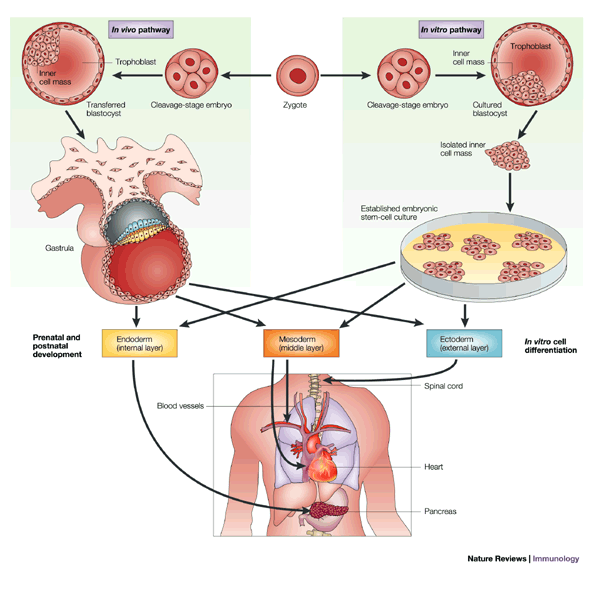
  • Achieve stable donor cell engraftment

  • Minimise transplant-related complications

  • Support immune system reconstitution over time

The transplant team conducts continuous monitoring throughout and after transplantation to ensure safety and effectiveness.

Summary

Donor stem cell collection under the NIH DOCK8 programme is a controlled, time-limited medical process with a strong safety profile. For Jesse, the identification of a suitable donor enables the next critical step toward definitive treatment under specialised NIH care.

Jesse’s Road Ahead: What Preparing for a DOCK8 Stem Cell Transplant Looks Like

Jesse’s Road Ahead: What Preparing for a DOCK8 Stem Cell Transplant Looks Like

For Jesse and his parents Clayton and Lee-Ann, the road ahead is not a single procedure, but a long, carefully managed medical journey that will unfold over months. It is a journey shaped by uncertainty, vigilance, and courage, and one that requires extraordinary medical care alongside unwavering family support.

At leading centres in Germany and at the National Institutes of Health (NIH) in Washington, preparation for a DOCK8 stem cell transplant is treated as just as important as the transplant itself. What follows is a clear, human picture of what this road typically looks like and why support remains so essential throughout. 

Below is an overview of how preparation typically works at specialist transplant centres and within NIH clinical protocols.


1. Understanding Jesse’s starting point. Comprehensive disease mapping — beyond the diagnosis

Before a child is even scheduled for transplant, teams build a full picture of disease burden.

This includes:

  • Genetic confirmation of the DOCK8 mutation
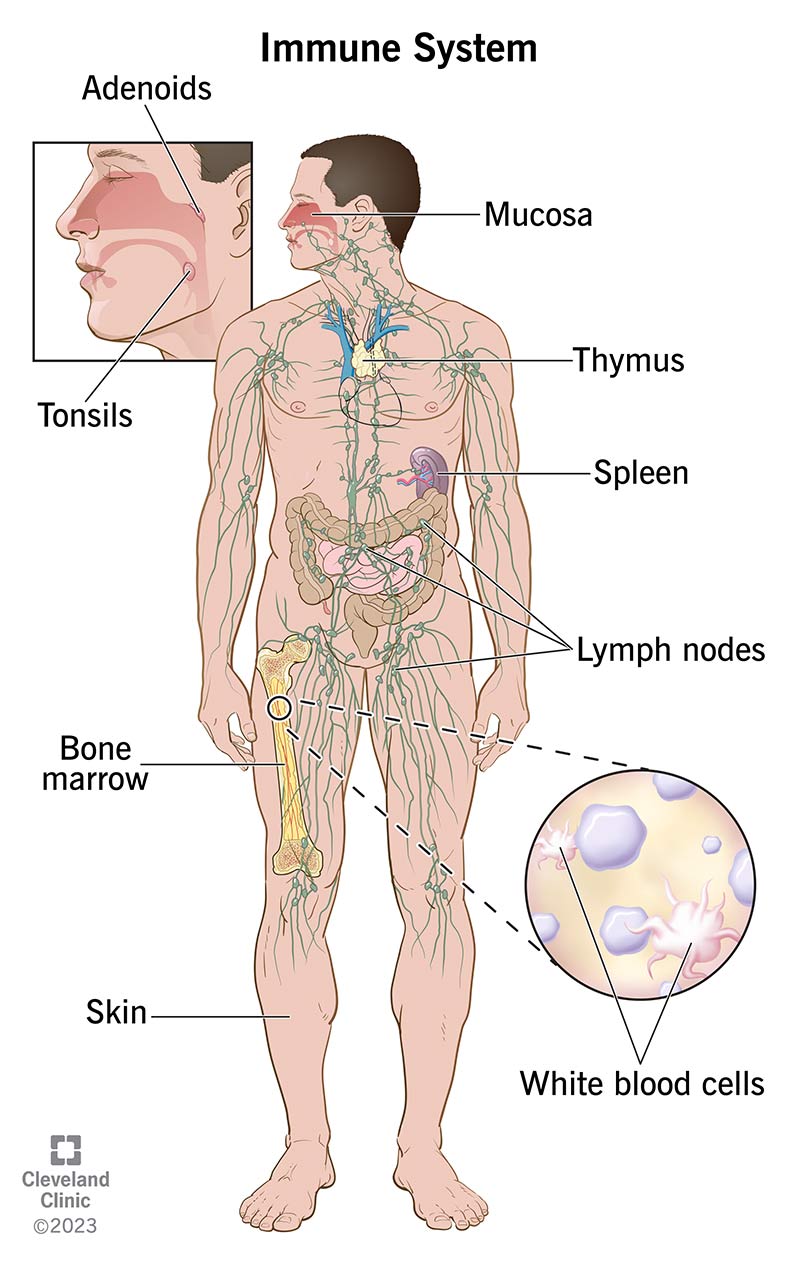
  • Detailed immune profiling (T-cell, B-cell, NK-cell function)
  • Viral load assessment (including chronic viral skin disease such as severe molluscum contagiosum)
  • Lung imaging and pulmonary function testing
  • Evaluation of prior infections and antibiotic resistance
  • Nutritional status and growth
  • Organ function (liver, kidneys, heart)

At centres such as NIH and Germany, this phase is deliberately slow and thorough. DOCK8 is not treated as a “standard transplant indication”. Every detail matters because pre-existing viral disease and organ damage strongly influence transplant risk and recovery.

Severe molluscum, like that affecting Jesse and Sadie, is not dismissed as a skin issue. It is recognised as a marker of profound immune dysfunction and ongoing viral burden, which must be factored into transplant timing and preparation.


2. Donor and transplant planning — complex by design

Once Jesse’s condition has been fully mapped, transplant planning moves forward. Centres do not treat donor selection as a binary “matched or not” question. Instead, they consider:

  • Degree of HLA match
  • Donor health and availability
  • Urgency of transplant
  • Viral burden and immune instability
  • Centre experience with different donor types

Importantly, donor availability does not reduce transplant risk. Even when a suitable donor is identified, DOCK8 transplants remain complex, particularly when viral disease is active.

The donor choice directly influences:

  • Conditioning intensity
  • Graft-versus-host disease (GVHD) prevention strategy
  • Post-transplant immune suppression
  • Infection prophylaxis

At the NIH and major German centres, these decisions are made by multidisciplinary teams, often involving immunologists, transplant physicians, infectious disease specialists, dermatologists, and pulmonologists. Each step is weighed carefully, because small decisions can have long-term consequences.


3. Stabilisation and infection control before transplant

One of the most important phases, and one that supporters often never see, is pre-transplant stabilisation. In this phase, Jesse’s care focuses on:

  • Reduce bacterial and fungal burden
  • Control active viral disease as much as possible
  • Treat secondary bacterial infections from chronic skin lesions
  • Optimise skin integrity
  • Improve nutritional reserves
  • Reduce inflammation before conditioning begins

Children with severe molluscum often require ongoing skin care, antimicrobial support, and close monitoring right up until transplant admission. For parents, it means living in a state of permanent readiness, knowing that plans can change quickly depending on how a child responds. This phase can take weeks or months, depending on how the child responds. This is not delay, it is risk reduction.


4. Conditioning: tailored, not generic

When Jesse is admitted for transplant, the pace intensifies. Conditioning treatment is given to prepare his body to accept donor stem cells. In DOCK8, this is tailored carefully: strong enough to allow successful engraftment, but balanced to avoid unnecessary toxicity. The transplant itself (the infusion of stem cells) is often described as anticlimactic. It looks simple. But the days and weeks around it are anything but.

Conditioning refers to the chemotherapy and immune-modulating treatment given before transplant to allow donor stem cells to engraft. In DOCK8, centres aim for enough conditioning to ensure durable engraftment, while carefully avoiding unnecessary toxicity. This balance is critical in non-malignant diseases.

Factors influencing conditioning choice include:

  • Child’s age and size
  • Viral burden and skin disease severity
  • Lung health
  • Donor type
  • Prior immune suppression
  • Centre-specific experience and published outcomes

There is no single “DOCK8 conditioning regimen.” Instead, protocols are individualised, drawing on EBMT/ESID guidance and centre expertise. This is also where timelines and costs can change, not because of miscalculation, but because every immune system rebuilds differently.


5. Hospital admission and transplant phase

Once admitted, the transplant process becomes highly structured. This phase typically includes:

  • Protective isolation
  • Central venous access
  • Conditioning chemotherapy
  • Stem cell infusion
  • Intensive monitoring for infection
  • Blood product support
  • Management of fevers, mucositis, skin reactions, and gut symptoms

The actual stem cell infusion may appear simple, but the surrounding weeks are medically intense. Children with DOCK8 are monitored closely for:

  • Early infections
  • GVHD
  • Delayed immune recovery
  • Reactivation of viral disease

After transplant, recovery is gradual. Jesse’s immune system will need time to rebuild, learn, and strengthen.


6. Immune reconstitution and early recovery

Post-transplant, the immune system does not “switch on” overnight. German and NIH protocols involve:

  • Gradual reduction of immune suppression
  • Ongoing antiviral, antifungal, and antibacterial prophylaxis
  • Frequent immune function testing
  • Monitoring for GVHD
  • Careful management of skin and viral disease as the new immune system develops
  • Clearance of chronic viral infections — including molluscum — is often a key sign of immune recovery, but it can take time.

Families are supported through prolonged periods of isolation, frequent clinic visits, and ongoing uncertainty during this phase.


7. Long-term follow-up: transplant is not the finish line

Even once Jesse leaves the hospital, the journey continues. Both German centres and NIH emphasise that HSCT is the beginning of a new phase, not the end of care.

Long-term follow-up includes:

  • Immune monitoring
  • Revaccination schedules
  • Lung surveillance
  • Skin and allergy management
  • Growth and development support
  • Psychosocial care for the child and family

This long arc of recovery is why transplant planning always includes post-transplant resources, not just the hospital stay.

A grounded perspective

Preparation for a DOCK8 transplant is not about bureaucracy or caution for its own sake. It is about giving a child the strongest possible foundation before undergoing one of the most demanding procedures in medicine. German centres and the NIH share this philosophy: careful preparation improves survival, reduces complications, and protects the future that transplant is meant to give. This is why planning takes time and why support matters at every stage of the journey.  

For Clayton and Lee-Ann, this journey means months away from home, constant medical decision-making, and the emotional weight of watching a child endure something no child should have to face, as well as the planning of Sadie’s treatment which will follow. Support during this time is not just financial. It is practical, emotional, and spiritual. It is knowing that others are holding the family in their thoughts and prayers while they focus entirely on Jesse’s care.

This road is demanding, unpredictable, and deeply personal. But it is also a road walked with hope grounded in expert medicine, careful preparation, and the belief that Jesse deserves a future defined by health, not illness.

As this next chapter begins, the family needs continued support more than ever.

References & Further Reading 

Staying Connected During Jesse’s Treatment

Staying Connected During Jesse’s Treatment

As Jesse and his parents travel to the United States from 9 January, we invite you to follow our Facebook page, where Jesse and Sadie’s parents will be sharing updates directly while they are abroad. This will be the best place to stay up to date with Jesse’s treatment progress and day-to-day developments during this important phase of care.

We are deeply grateful for the love, prayers, and support that have carried our family to this point. As Clayton and Lee-Ann focus fully on Jesse’s treatment and recovery, your continued encouragement, prayers, and kindness mean more than we can express. Knowing that so many people are walking alongside us brings great comfort and strength during this time.

Thank you for being part of Jesse and Sadie’s journey and for holding our family in your hearts and prayers as this next chapter begins.