Family Update #9

Family Update #9

Hi everyone,
I just wanted to give a quick update on Jesse.
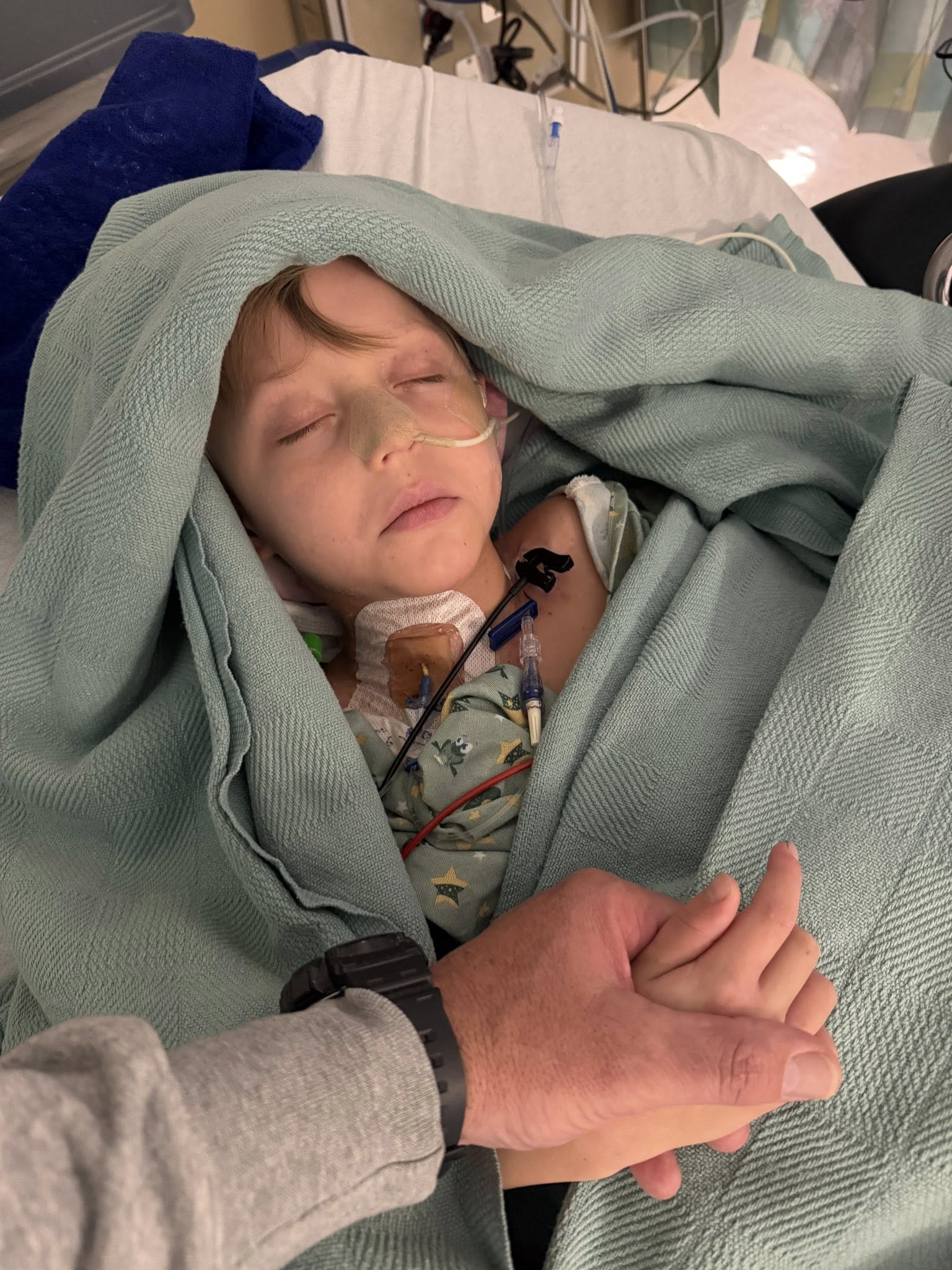
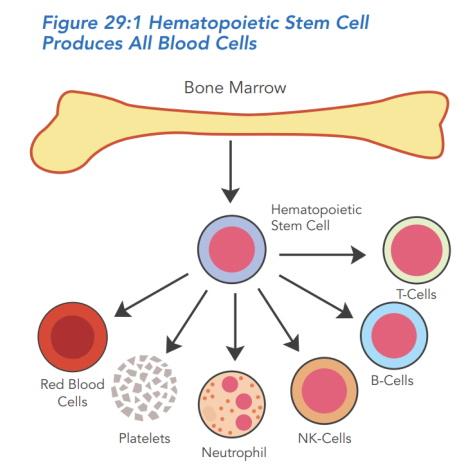
Today is Day +21 after his transplant. The good news is that Jesse officially engrafted on Day +14, which means the donor cells have started producing new blood cells. His counts did come up nicely after that, which is an important milestone.

Along the way we’ve had a few bumps. Jesse developed a very heavy nosebleed that lasted close to two hours and required additional platelets to get it under control. Thankfully the team managed it quickly.
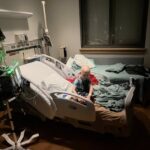
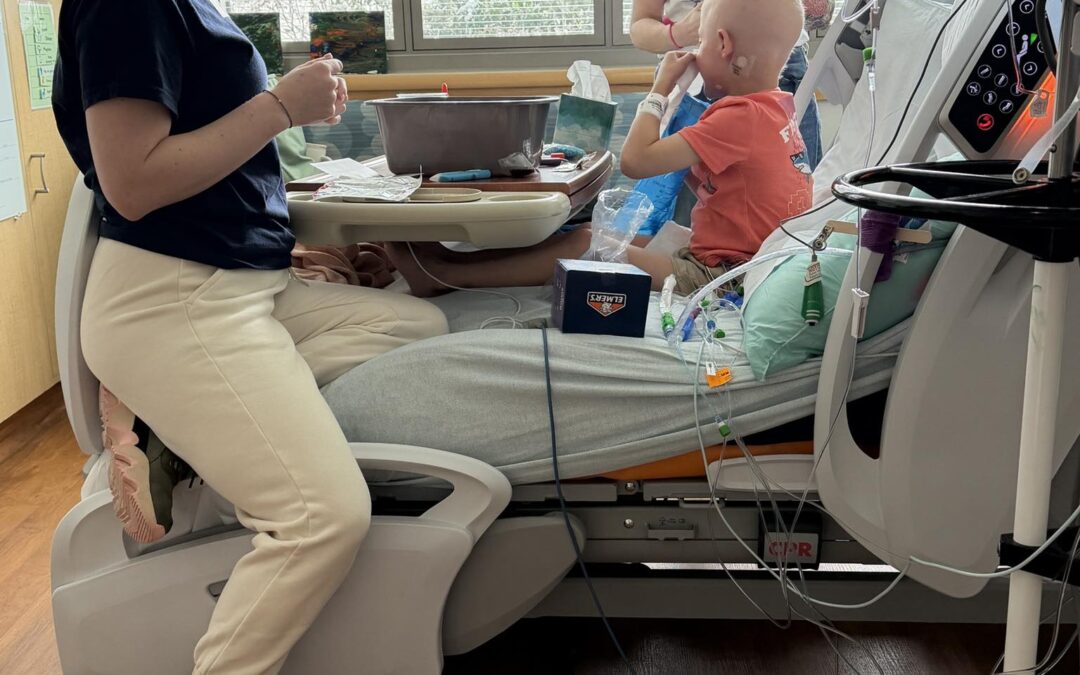
At the moment his biggest challenge has been severe nausea and stomach cramps, which have made it difficult for him to eat. His appetite is very limited right now, so he is still receiving liquid nutrition through TPN around the clock to keep his strength up. His energy levels are still quite low, so he’s mostly resting in his room.
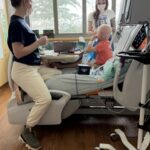
The doctors are monitoring him closely and we see the medical team every day. Tomorrow Jesse will have a scope (endoscopy) so the doctors can look inside his stomach and try to determine what might be causing the nausea and cramping.

Jesse is currently on quite a few medications, including:• Anti-nausea medication• Medication for stomach cramps• Immunosuppressants to prevent GVHD (these will continue until about Day +30)• Antiviral and antifungal medications for infection protection• Nutritional support (TPN)

Because his platelet count is still low, he also received a platelet infusion today to make the scope safer. If platelets are too low, even small irritation during the procedure could cause bleeding, so this is just a precaution.
Overall, his progress is still in line with what the doctors expect at this stage. He has come through the period where his blood counts dropped to near zero after the transplant, and now we’re waiting for his counts and immune system to continue strengthening.

Right now the main focus is simply getting the nausea and stomach cramps under control, and hopefully tomorrow’s scope will give the doctors more answers.
Thank you all so much for the prayers, messages, and support. It truly means a lot to us and to Jesse. We’ll keep everyone updated as we learn more.

With gratitude,
Lee-Ann, Clayton and Jesse

Family Update #8

Family Update #8

Hi everyone,

We wanted to share an update on Jesse as he reaches Day +6 after his bone marrow transplant for DOCK8 deficiency.
The transplant itself went very smoothly, and we’re so grateful that he had no immediate side effects from the infusion. A few days later, he started additional chemotherapy medication designed to help prevent graft-versus-host disease (GVHD). He has since continued on immune-suppressing medication to further reduce the risk of GVHD, along with a growth factor medication to help stimulate his white blood cells to grow and multiply.

Right now, Jesse is in what they call the “transitional phase.” His blood counts are steadily dropping, which is expected at this stage. They haven’t reached zero yet, but the team anticipates that around Day +8 his counts will be at their lowest. This is considered the most vulnerable period of the transplant process because his immune system will essentially be at its weakest.
During this time, he is more susceptible to:
• Infection
• Fevers
• Nausea and vomiting
• Mouth and throat sores (mucositis)
• Stomach cramps
• Fatigue
• Loss of appetite
• General discomfort and weakness
All of these are expected side effects of the treatment, and the medical team is watching him very closely.

Today, on Day +6, Jesse is feeling very tired. He stayed in bed most of the day and is struggling with his appetite, though he is still managing to eat a little. We are taking it one day at a time.
If all goes as hoped, we are looking toward Day +14 and beyond for signs of engraftment — when his new bone marrow begins producing healthy blood cells and his counts start to rise. That will be a major milestone. There is a delicate balance right now between the immune-suppressing medications (which protect him from GVHD) and the new marrow establishing itself. This waiting period carries a lot of anticipation and suspense for us.
So at the moment, we are in the middle of the hardest stretch — watching, waiting, and trusting the process.
We are deeply grateful for your prayers, messages, and support. Please continue to keep Jesse in your thoughts and prayers as we move through these next crucial days toward engraftment.

With love and gratitude,
Clayton, Lee-Ann and Jesse

Family Update #7

Family Update #7

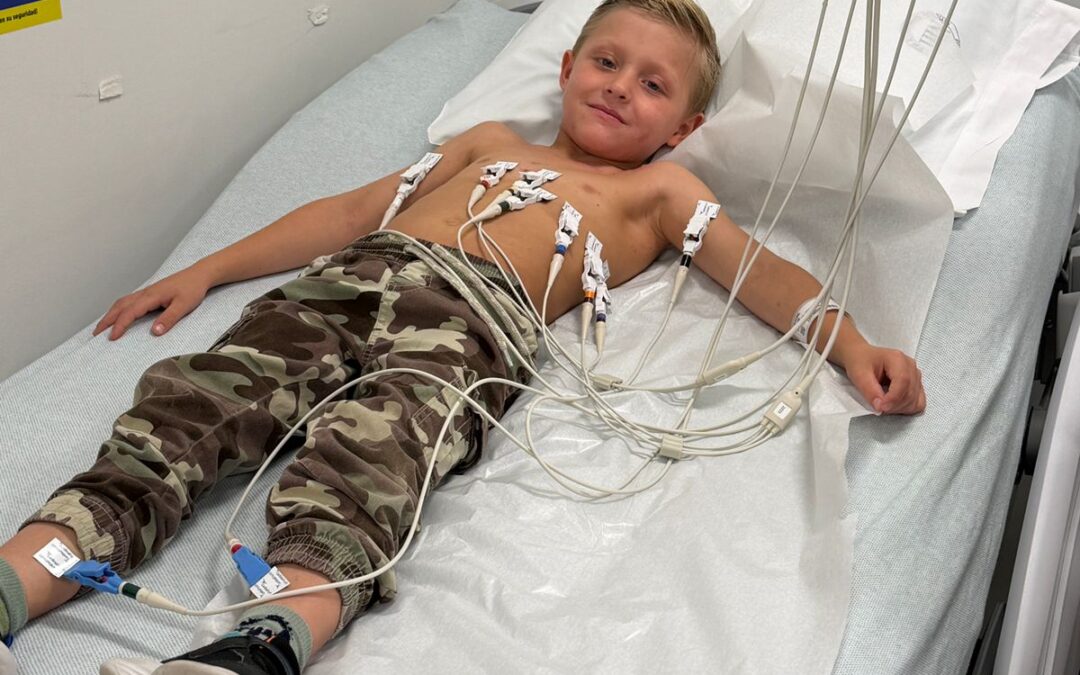
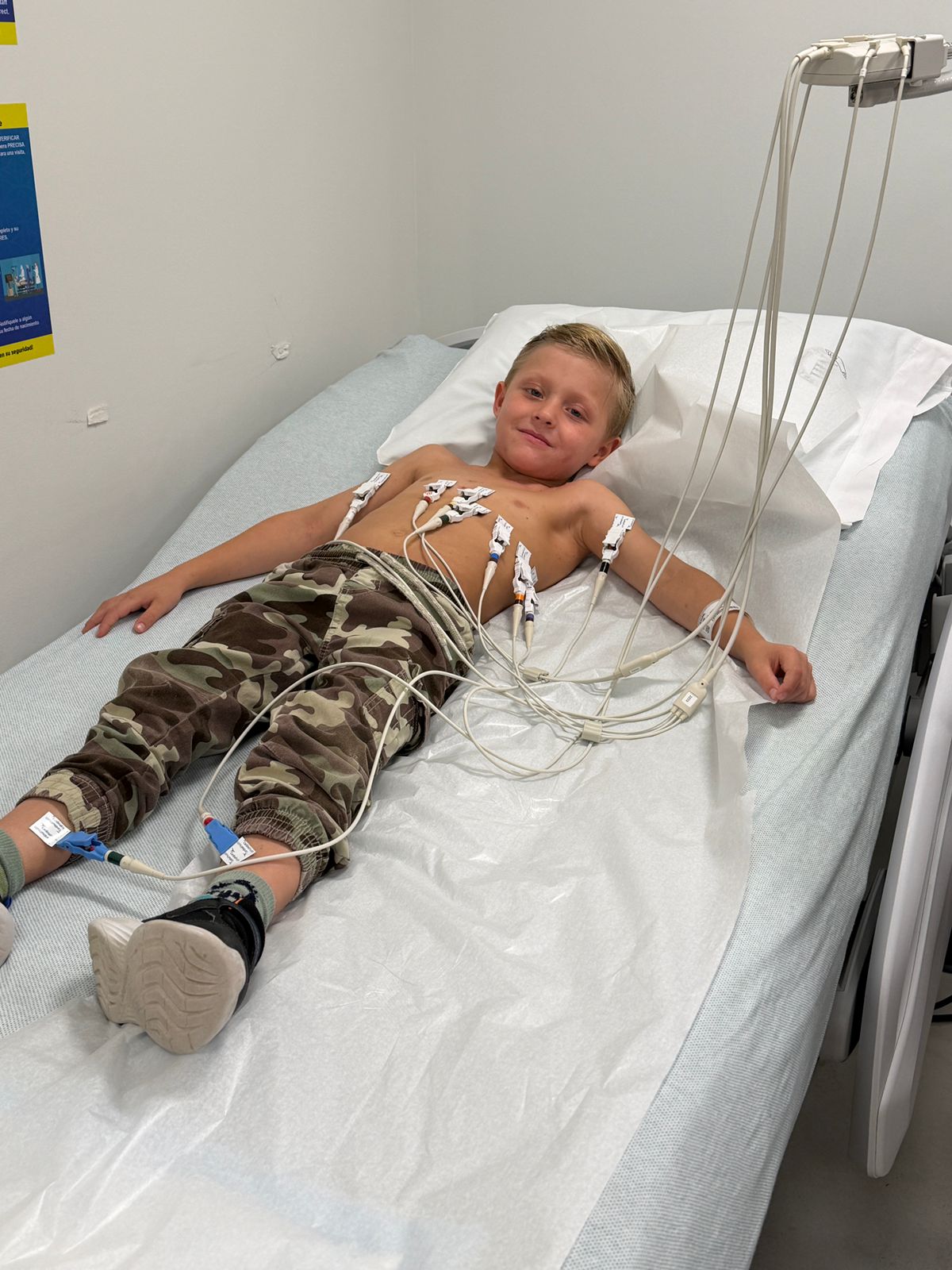
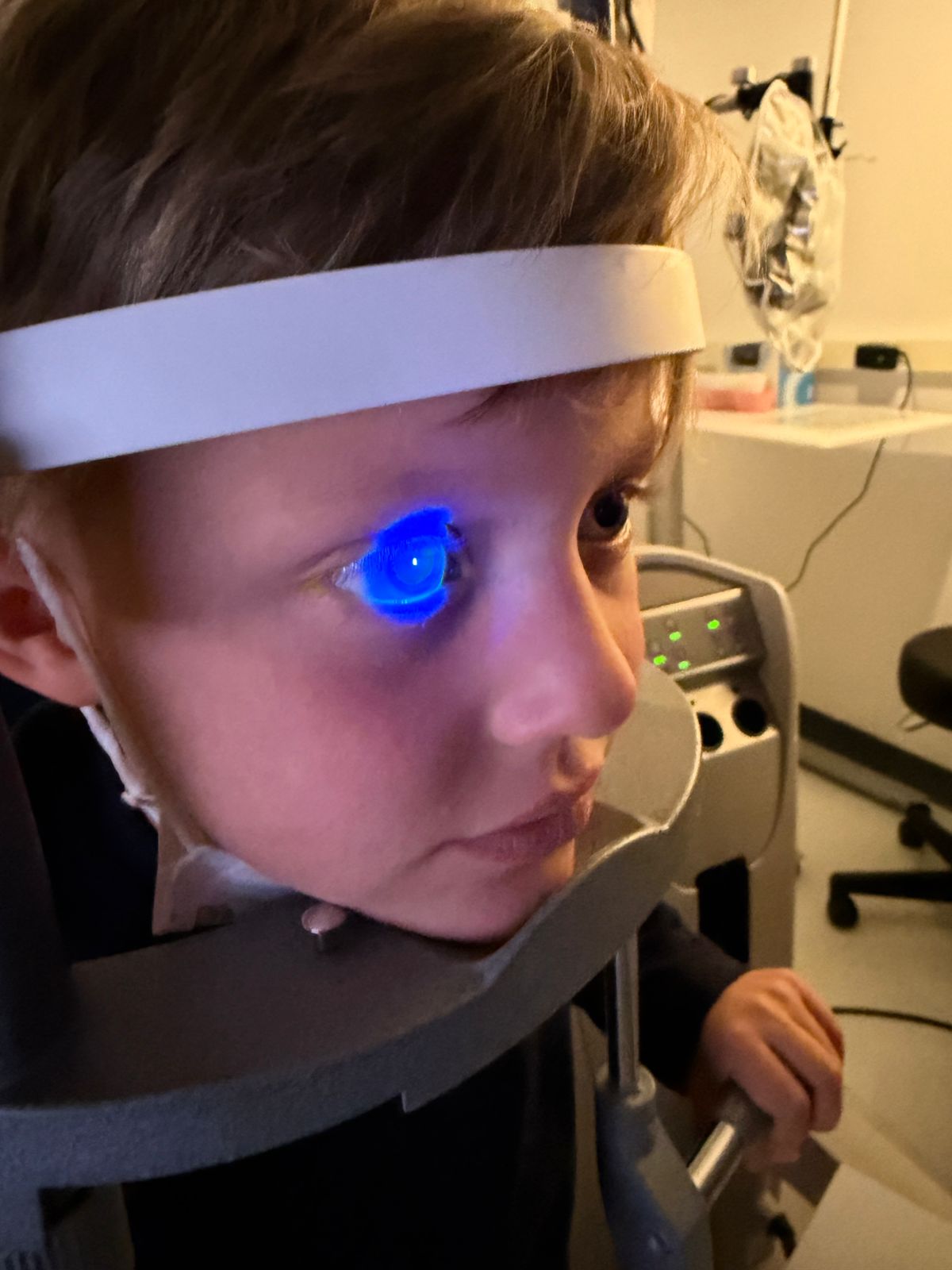
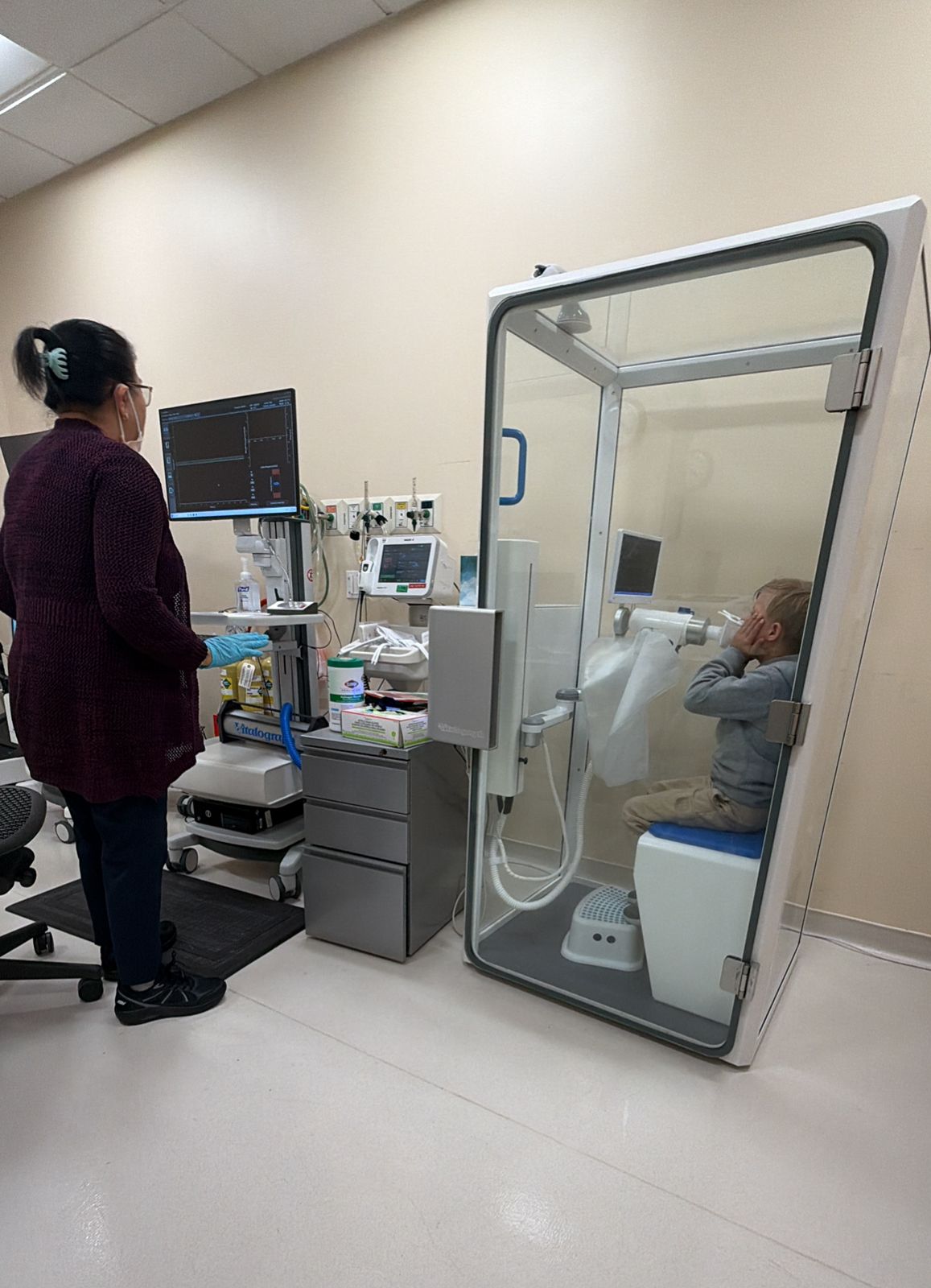
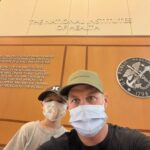
The Krause family — Clayton, Lee-Ann, and Jesse — are now three weeks into the NIH program in Washington, DC. Jesse has undergone numerous medical screenings and scans, including MRIs and CT scans. On the 20th January, Jesse had his testicular biopsy operation at Children’s National Hospital in Washington, DC. The procedure went well, and Jesse has recovered. They are now in the process of concluding all appointments and interviews with the medical professional teams and are consolidating the final checks and balances in preparation for the transplant process. The confirmed commencement date is 4th February, 2026, which is labeled as Day -6. The transplant will take place on Day 0, and the conditional post-transplant process will continue through Day 100. It has been an extremely tough time for the family; however, each day brings a positive step closer toward Jesse’s healing. Through it all, Jesse continues to show remarkable resilience and strength. The professional staff at the NIH have been exceptional, and Jesse is most certainly receiving the best care available. We continue to pray for daily small wins and for overall success in the months ahead. As difficult as this journey will be for the family and little Jesse, we know that with God’s intervention, all will go well. Thank you again for all your love and support. 💙


3 Days to Hope

3 Days to Hope

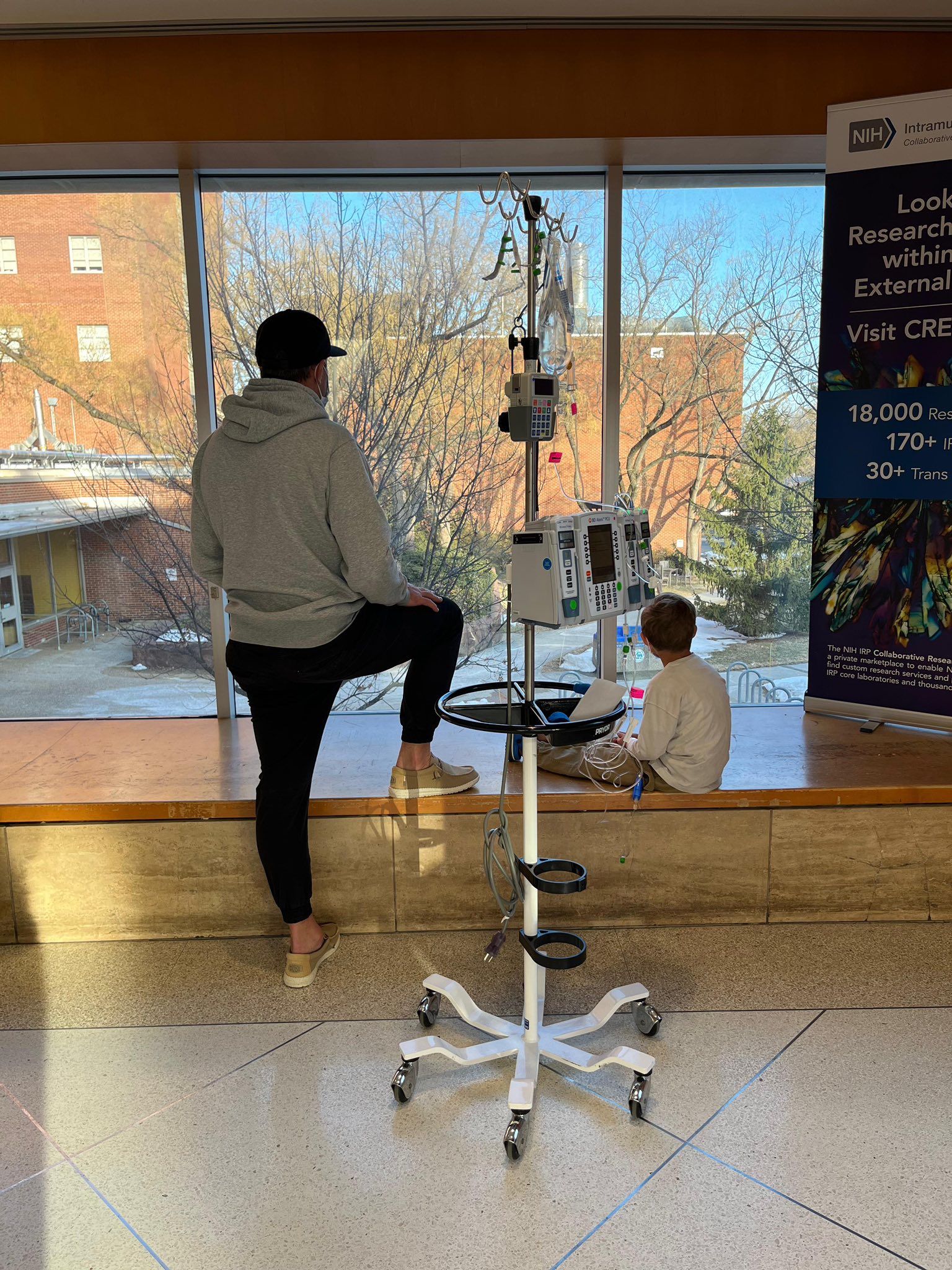
In three days, Clayton and his family are flying to Washington DC, to the NIH. Since August, they’ve been waiting for a pathway and waiting for clarity. Making decision after decision, and now it’s here.
It’s hard to put into words what we have witnessed them go through and the fear that sits in your chest and won’t leave. Right now, as they’re packing and getting ready to go, I’m thinking about the courage it takes to leave, the ache of distance, the gratitude for every doctor, researcher, donor, and stranger who helped make this happen. Sadie is staying home, surrounded by people who love her, continuing her own journey with the same hope and fight. They’re on different paths for now, but it’s the same story. Three days from now, Jesse takes this step. I’ll keep updating as things move forward. Thank you for being with us through this.

For now, here is more information on the NIH program for DOCK8:

NIH DOCK8 Programme

The National Institutes of Health (NIH) runs one of the world’s most advanced programmes for rare immune disorders such as DOCK8 deficiency. Admission into this programme follows extensive medical review and is offered only when a child’s clinical profile aligns with the research and treatment criteria.

Jesse’s treatment will take place within a clinical research framework, where care is delivered by multidisciplinary teams specialising in primary immunodeficiencies and paediatric transplant medicine. This setting allows access to highly specialised expertise, intensive monitoring, and treatment protocols informed by global research and long-term outcome data.

The NIH covers the core transplant and treatment costs associated with the research protocol itself. However, DOCK8 is a lifelong condition, and care does not end when the programme concludes. Post-treatment needs, including long-term immune monitoring, potential complications, medications, and follow-up care once Jesse returns home, will fall outside the scope of the NIH programme and continue to be evaluated with his medical team.

This pathway represents a rare and important opportunity: one grounded in science, precision medicine, and the best possible chance at long-term immune recovery.

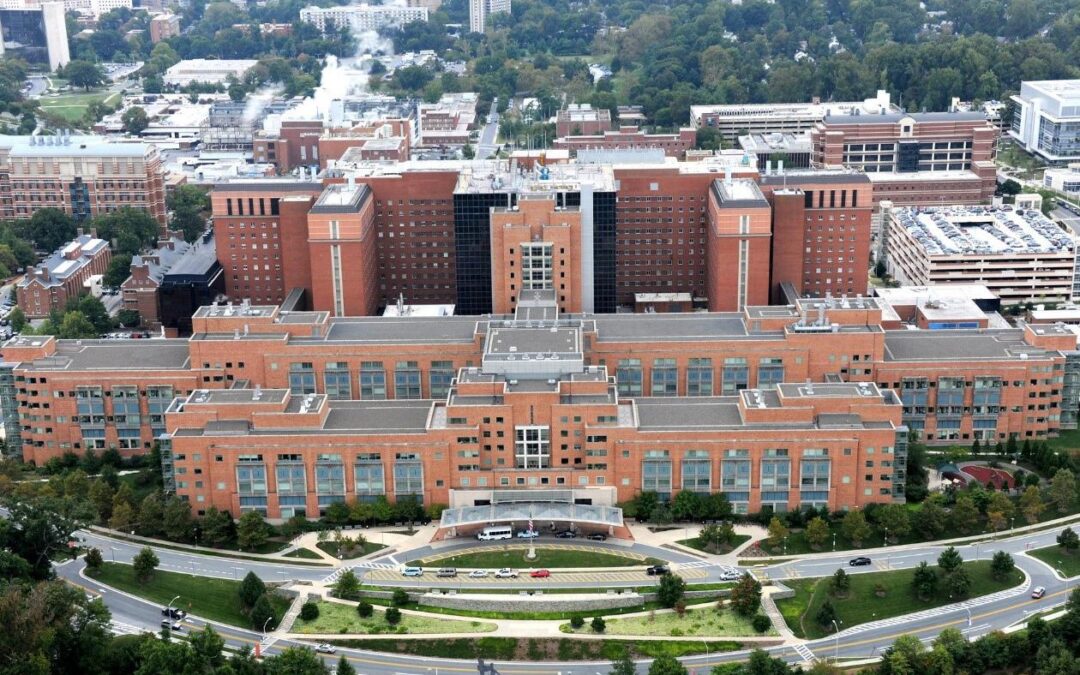
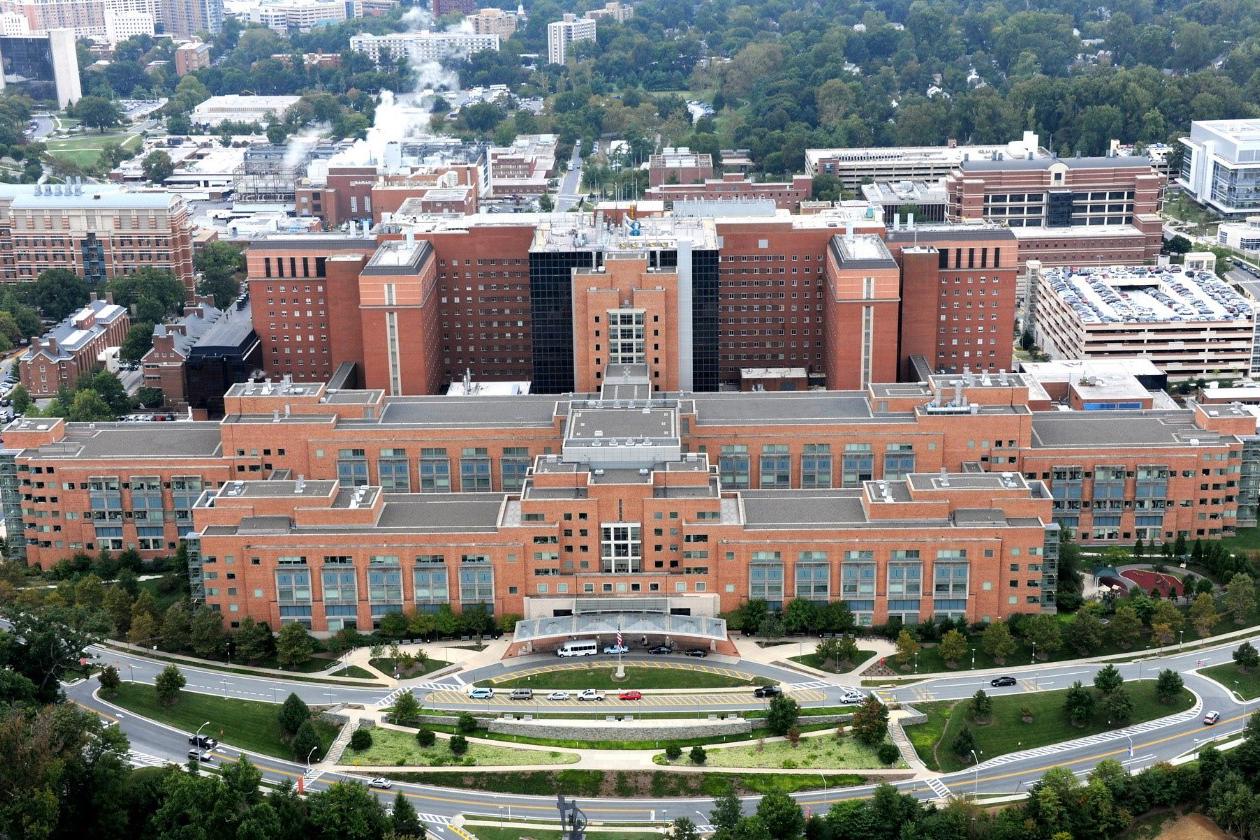
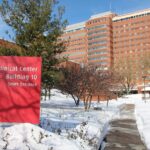
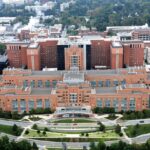
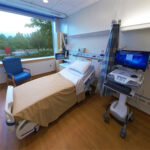
The National Institutes of Health Clinical Center in Bethesda, Maryland — the hospital where Jesse’s treatment and monitoring will take place. This is the largest clinical research hospital in the world, purpose-built for rare and complex conditions.

Donor Process Under the NIH DOCK8 Transplant Protocol

Donor Process Under the NIH DOCK8 Transplant Protocol

A suitable donor match has been identified for Jesse. The donor process follows established NIH transplant protocols used in the treatment of DOCK8 deficiency and other rare primary immunodeficiencies. The process is highly regulated, evidence-based, and designed to prioritise both donor safety and transplant success.
Donor Medical Evaluation

Before donation, the donor undergoes a comprehensive medical assessment conducted by the transplant team. This includes:

  • Full medical history and physical examination

  • Infectious disease screening (including HIV, hepatitis, CMV, EBV)

  • Blood tests to assess organ function and baseline blood counts

  • Final compatibility confirmation

Only donors who meet strict clinical safety criteria are cleared to proceed.

Stem Cell Mobilisation

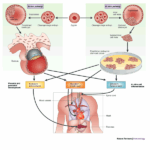
Once approved, the donor begins stem cell mobilisation. This involves:

  • Short-term administration of medication to stimulate stem cell release into the bloodstream

  • Daily monitoring by the transplant team

  • Expected, temporary side effects such as bone discomfort, fatigue, or headaches

Mobilisation is reversible and does not cause long-term changes to bone marrow function.

Stem Cell Collection (Apheresis)

Stem cells are collected via peripheral blood stem cell apheresis, a standard outpatient procedure:

  • Blood is drawn through a sterile line and passed through a specialised collection system

  • Stem cells are separated and collected

  • Remaining blood components are returned to the donor

  • The procedure typically lasts several hours

  • Some donors may require a second collection session to reach the target cell dose

No surgery or general anaesthesia is involved.

Post-Donation Monitoring and Recovery

Following collection, the donor is monitored for a short recovery period:

  • Blood counts typically normalise within days

  • Most side effects resolve quickly without intervention

  • Donors resume normal activities shortly thereafter

Long-term complications are rare, and NIH data supports the overall safety of this process.

Use of Donated Cells in the NIH DOCK8 Programme

The collected stem cells are prepared according to NIH disease-specific transplant protocols for DOCK8 deficiency. These protocols are designed to:

  • Achieve stable donor cell engraftment

  • Minimise transplant-related complications

  • Support immune system reconstitution over time

The transplant team conducts continuous monitoring throughout and after transplantation to ensure safety and effectiveness.

Summary

Donor stem cell collection under the NIH DOCK8 programme is a controlled, time-limited medical process with a strong safety profile. For Jesse, the identification of a suitable donor enables the next critical step toward definitive treatment under specialised NIH care.